Tools
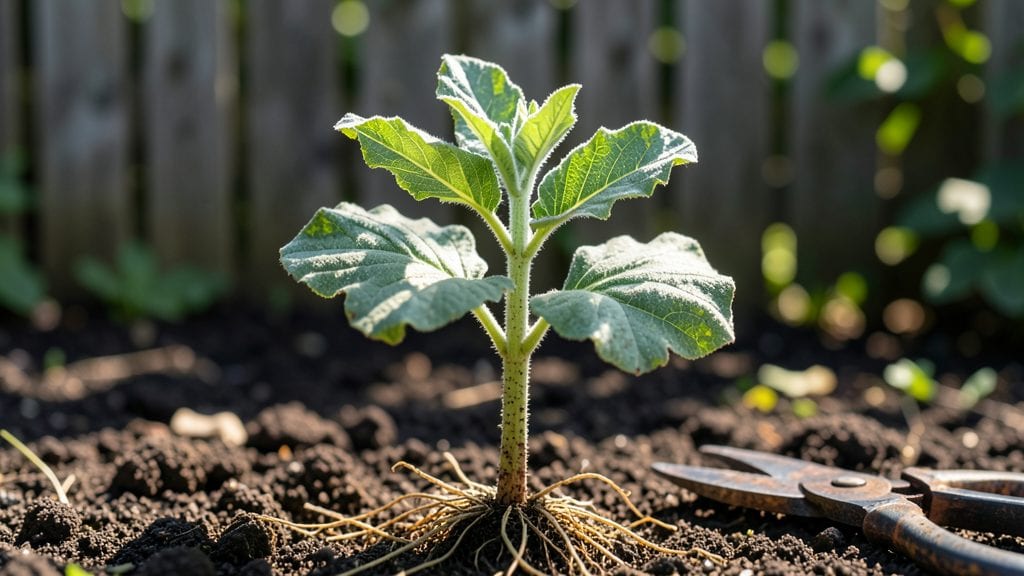
Garden weed sprouts pop up faster than you can say "spring cleanup," but I've learned they don't have to mean war with your soil. 🌱 The key is removing them before they steal nutrients from your plants—or worse, release chemicals that poison your garden's future.
Most gardeners grab the first tool they see, but that's where the damage starts.
Here's the thing—weeds like crabgrass and chickweed spread through seeds or roots, and yanking them by hand often leaves fragments behind that grow into new weeds. Instead, I use a 5-tine weeding fork to lift the whole sprout (roots and all) without disturbing the soil structure.
For stubborn patches, a boiling water treatment kills weeds on contact while feeding microbes in the soil.
By removing weeds when they're 1-2 inches tall, you cut their seed production by 90%. Over time, this method actually improves soil health by reducing competition for water and nutrients. The result? A garden where your plants—not weeds—thrive, with fewer sprouts each season.
This approach works for vegetable beds, flower borders, and even between paving stones. The secret is consistency: check weekly, pull early, and let your soil's natural balance do the rest. No more chemical battles, just healthier ground.
Root Causes Of Unwanted Sprouts
Weeds don’t just appear out of nowhere—they thrive when your garden provides the perfect conditions. Understanding the science behind their growth is the first step to controlling them without damaging your soil. Here’s why those stubborn sprouts keep popping up:
When you till, dig, or even walk on garden beds, you break open dormant weed seeds buried deep in the soil. Many weeds, like crabgrass or chickweed, have seeds that can remain viable for years—even decades—waiting for sunlight and space to germinate.
Disturbing the soil creates gaps where these seeds can finally sprout.
Actionable fix:
- Minimize tilling—opt for mulching or hand-pulling instead.
- Avoid bare soil—cover empty beds with compost, straw, or living mulch (like clover) to block light.
Weeds love moisture, and overwatering—especially in dry climates—triggers rapid germination. Some species, like nutsedge, thrive in soggy conditions, while others, like bindweed, spread aggressively when soil stays damp. Even inconsistent watering (drought followed by heavy rain) can wake up dormant seeds.
Actionable fix:
- Water deeply but less often—encourages deep root growth in plants while discouraging shallow-rooted weeds.
- Improve drainage—amend clay-heavy soil with compost to prevent waterlogging.
Many weed seeds require light to trigger germination. When sunlight hits bare soil, it signals seeds to break dormancy. Shady areas (like under trees) may have different weeds, but full sun accelerates growth in fast-spreading species like pigweed or lamb’s quarters.
Actionable fix:
- Use mulch (wood chips, grass clippings) to block sunlight from reaching the soil.
- Plant densely—crowded plants leave less room for weeds to establish.
Weeds are opportunistic—when your garden soil is over-fertilized, especially with nitrogen, they outcompete your plants. Weeds like dandelions and plantain thrive in nutrient-heavy soil because they grow faster than many crops, stealing resources before your desired plants can take hold.
Actionable fix:
- Test your soil—balance nutrients with organic matter (compost, worm castings) instead of synthetic fertilizers.
- Use slow-release fertilizers to prevent sudden nutrient spikes that weeds exploit.
Some weeds, like quackgrass or Johnson grass, reproduce via rhizomes (underground stems) rather than seeds. Others, like bindweed, spread through tubers. Even if you remove the tops, fragments left in the soil can regrow.
Additionally, bird-dropped seeds (from fruits like blackberries) or windborne seeds (from dandelions) can introduce new weeds yearly.
Actionable fix:
- Hand-pull weeds completely, including roots—use a weed wrench for stubborn types.
- Solarize soil in late summer (cover with clear plastic for 4–6 weeks) to kill buried seeds.
Weeds have internal clocks—some germinate in spring (like henbit), others in fall (like purslane). Temperature fluctuations, especially warm spring rains, can cause a flush of weeds as seeds time their growth perfectly for ideal conditions.
Actionable fix:
- Pre-emergent herbicides (natural options like corn gluten meal) can block seeds before they sprout in spring.
- Plant cover crops (like winter rye) in off-seasons to outcompete weeds.
Key takeaway: Weeds exploit disturbance, moisture, sunlight, and nutrients—but by adjusting these factors, you can starve them out without harming your soil’s health. The goal? Make your garden less hospitable to weeds and more inviting to your plants. 🌱✨
Tame Unwanted Sprouts Naturally
Dealing with garden weed sprouts doesn’t have to mean harsh chemicals or backbreaking labor. With the right techniques, you can reclaim your garden while keeping your soil healthy and thriving.
Below are targeted solutions for common causes of weed growth, paired with prevention tips to keep your garden lush and weed-free long-term.
Weeds thrive where sunlight hits bare soil. If your garden has compacted or overworked soil, mulching is your first line of defense. A thick layer of organic mulch (like straw, wood chips, or shredded leaves) smothers sprouts by blocking light while improving soil health over time.
How to Fix It:
- 🔥 Spread 2–4 inches of mulch over garden beds, leaving a small gap around plant stems to avoid rot.
- 🍳 Choose organic mulch (e.g., composted bark, pine needles) to deter weeds and feed the soil.
- 👨🍳 Refresh annually—top up mulch as it breaks down to maintain the barrier.
💡 Prevention Tip:
Mulch works best when soil is moist but not soggy. Water deeply before applying to help it settle and suppress weeds faster.
Digging, tilling, or planting disrupts soil, burying weed seeds and triggering germination. Instead of tilling (which spreads seeds deeper), opt for manual removal when conditions are ideal.
How to Fix It:
- ⏰ Pull weeds when soil is damp (early morning or after rain) to remove roots easily.
- 🔪 Use a weeding tool (like a dandelion digger) for stubborn sprouts without disturbing nearby plants.
- 🥘 Compost pulled weeds—only if they’re seed-free to avoid recycling the problem.
💡 Prevention Tip:
Try no-till gardening: Use sheet mulch (cardboard + mulch) to smother weeds before planting. This preserves soil structure and reduces future sprouts.
Weeds like crabgrass and chickweed love soggy soil. If your garden holds excess water, adjust irrigation and amend the soil to discourage weed seeds from germinating.
How to Fix It:
- 🌡️ Water deeply but less often—aim for 1 inch per week to encourage deep root growth in plants (not weeds).
- 🎯 Add compost or sand to heavy clay soil to improve drainage.
- ✨ Install a French drain if water pools in low spots, redirecting it away from garden beds.
💡 Prevention Tip:
Drip irrigation or soaker hoses deliver water directly to plant roots, leaving weeds high and dry. Pair this with mulch to maximize effectiveness.
For stubborn weeds in cracks or walkways, natural herbicides like vinegar or boiling water can work—just avoid spraying edible plants.
How to Fix It:
- 🔥 Mix 1 gallon of white vinegar + 1 cup salt + 1 tbsp dish soap in a spray bottle. Target weeds on sunny days (soil stays dry).
- 🍳 Pour boiling water directly on weeds growing in concrete or between pavers.
- 👨🍳 Reapply every 3–5 days for tough weeds like clover or creeping Charlie.
💡 Prevention Tip:
Spot-treat weeds immediately—they spread fast! For large areas, use a corn gluten meal pre-emergent (apply in early spring) to prevent seeds from sprouting.
With these methods, you can outsmart weeds without damaging your soil’s health. The key? Act fast, mulch often, and water smartly to stay one step ahead of those pesky sprouts.
Frequently asked questions
What’s the best time of day to pull garden weed sprouts?
Pull weeds when the soil is damp—early morning or right after watering or rain. This makes roots easier to remove without breaking, and you’ll avoid disturbing dry soil that can spread buried seeds. For stubborn weeds like dandelions, wait until the soil is moist but not soggy to prevent regrowth.
Can I use vinegar to kill weed sprouts near my vegetables?
Not safely. Vinegar’s acidity can harm edible plants too, even if you’re careful. Instead, spot-treat weeds with a boiling water method (pour directly on sprouts) or use a 5-tine weeding fork to lift them by the roots. For large areas, try corn gluten meal as a natural pre-emergent in early spring.
Why do weeds keep coming back after I pull them?
Most likely, you left behind root fragments or seeds. Weeds like quackgrass and bindweed regrow from tiny root pieces, while others (like chickweed) produce thousands of seeds. To stop regrowth, pull weeds when they’re 1–2 inches tall and use a tool to dig out the entire root system. For persistent patches, try solarization (covering soil with clear plastic for 4–6 weeks).
How thick should mulch be to prevent weed sprouts?
Aim for 2–4 inches of organic mulch (like straw or wood chips) to block sunlight and smother weeds. Refresh it annually as it breaks down. For high-weed areas, layer cardboard first (to block light) then add mulch on top. This method also improves soil health over time!
Are there any weeds that actually help my garden?
Yes! Clover adds nitrogen to the soil, while dandelions attract pollinators and break up compacted earth. Let these “good” weeds thrive in designated areas, but pull aggressive spreaders like crabgrass or pigweed before they compete with your plants. A balanced approach keeps your garden productive and resilient.