Tools
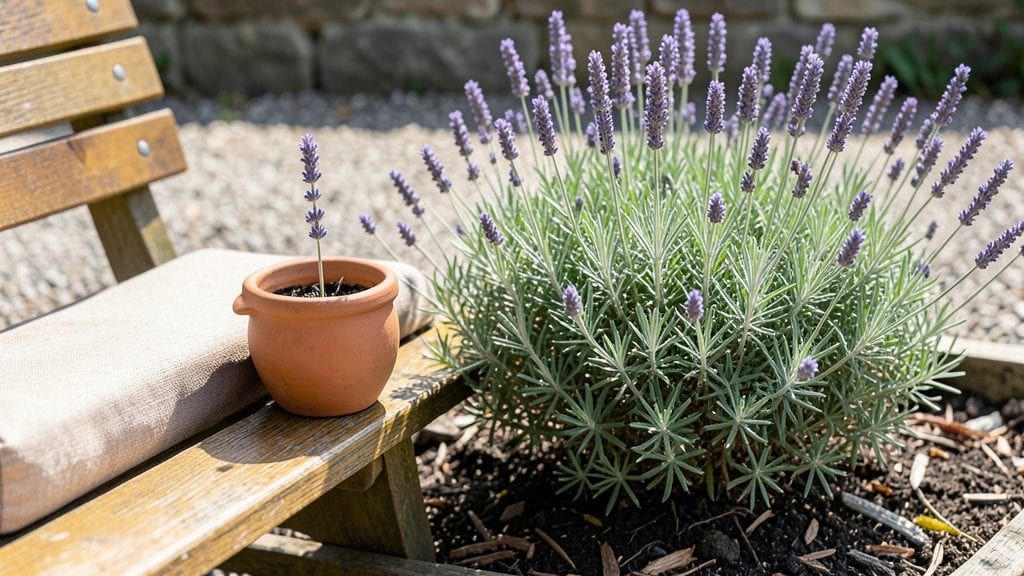
There’s no better therapy than gardening—where healing grows in the dirt beneath your nails. Gardening as therapy rewires your mind with every seed planted and weed pulled, turning stress into something tangible—lush foliage, fragrant blooms, and quiet moments where the world fades away.
I discovered this after my first season of mindful soil work, when my hands stopped shaking and my thoughts finally settled long enough to listen.
This isn't about creating a perfect garden—it's about crafting a space that works for you. A sensory garden with lavender for calm, thyme for grounding, and native wildflowers that hum with bees can transform even a tiny balcony into a sanctuary.
Add a simple journaling bench under a shade tree, and you've got a spot where thoughts can land without judgment. The key? Keep it low-maintenance enough that joy stays the focus, not chores.
You'll notice the shift within a few weeks: less screen time, more deep breathing between rows, and that rare feeling of accomplishment from something that grows because you cared for it. The plants mirror your progress—steady growth when you're consistent, resilience when you forget to water.
By summer's end, you might even find yourself smiling at the dirt, which was my first clue I'd found something real.
Whether you're starting with a single pot of herbs or redesigning your backyard, the principles stay the same: move at your own pace, choose plants that whisper instead of shout, and let the garden remind you what it means to pause.
The tools are simple—a trowel, some soil, and an open heart—but the results are anything but ordinary.
📚 In This Guide
- What you need
- Instructions
- Tips and common mistakes
- Wrapping up and next steps
What you need
- ● Gardening gloves (1–2 pairs): Opt for breathable, durable fabric (e.g., cotton or synthetic blends) to protect your hands from thorns and soil.
- ● Hand trowel (1): A 6–8" stainless steel or ergonomic model for precise digging and transplanting.
- ● Pruners (1): Bypass pruners (for clean cuts) or anvil pruners (for tougher stems).
- ● Watering can or hose (1): A 1–2 gallon can with a rose attachment for gentle watering, or a lightweight hose with adjustable spray.
- ● Small rake (1): A 12–14" bow rake for leveling soil and removing debris.
- ● Compost or potting mix (5–10 lbs): Organic, peat-free blend for nutrient-rich soil (e.g., Miracle-Gro or homemade compost).
- ● Seeds or seedlings (3–5 plants): Start with low-maintenance options like herbs (basil, mint), succulents, or marigolds for instant gratification.
- ● Knee pad or cushion: For comfort during long sessions.
- ● Sun hat & sunscreen: Protect your skin while soaking up the sun.
- ● Journal & pen: To jot down plant progress or therapeutic reflections.
- ● Bird feeder or wind chimes: Adds calming ambiance to your garden space.
- ● Portable stool or bench: For seated gardening or resting.
Instructions for cultivating a therapeutic garden space
Transform your outdoor area into a peaceful retreat with these intentional steps.
Choose a Calm, Accessible Location
Select a spot that feels naturally soothing—perhaps near a window, under a tree, or on a quiet patio. I always look for areas with gentle shade or dappled sunlight, as these create a cooler, more inviting atmosphere. Avoid high-traffic zones where noise or foot traffic might disrupt your focus. Measure the space to ensure it comfortably fits your needs, whether that's a small raised bed or a sprawling corner of your yard.
Pay attention to how the space makes you feel when you stand there. Does the breeze carry the scent of nearby plants? Is the ground soft underfoot? These sensory details matter more than the size of the area. If possible, visit the spot at different times of day to observe how light and shadow shift—this helps you plan when to work there for maximum enjoyment.
Prepare the Soil with Intention
Loosen the soil to a depth of 6 inches using a garden fork or tiller. This breaks up compacted layers and encourages root growth, making it easier for plants to thrive. If your soil feels heavy or clay-like, mix in 2-3 inches of compost to improve drainage and fertility. I like to work the compost in gently, just until it’s evenly distributed—no need to overdo it.
Take a moment to run your hands through the soil as you work. Notice its texture—is it gritty, smooth, or crumbly? This tactile experience grounds you in the present moment, shifting focus away from stress. If the soil smells earthy and fresh, you’re on the right track. If it’s overly sour or stale, consider adding more organic matter to refresh it.
Select Plants for Sensory and Emotional Benefits
Choose plants that engage your senses—lavender for its fragrance, mint for its cool leaves, or sunflowers for their uplifting height. I often include a mix of herbs, flowers, and foliage plants to create variety. For stress relief, opt for low-maintenance varieties like rosemary, thyme, or marigolds, which thrive with minimal attention and reward you with beauty or scent.
Arrange the plants with intention, spacing them according to their mature sizes. Step back frequently to assess the layout—does it feel balanced? Does the sight of the garden evoke calm? If you’re unsure, start with a small cluster of 3-5 plants and expand later. The goal is to create a space that feels like a natural extension of your well-being, not a chore.
Create Rituals Around Your Garden Time
Set aside 10-15 minutes daily to tend to your garden, even if it’s just watering or observing. I like to pair this time with a cup of tea or soft music to deepen the experience. Notice the rhythm of the garden—how water drips from the hose, how leaves rustle in the breeze, or how sunlight filters through the plants. These small moments of mindfulness are the heart of gardening as therapy.
Incorporate simple rituals, like watering at dawn or harvesting herbs for a meal. Over time, these actions become anchors, signaling to your brain that it’s time to pause and reconnect. If your mind wanders, gently guide it back to the task at hand—feeling the water, smelling the soil, or watching a bee visit a flower. The garden becomes a sanctuary when you let it guide your focus.
Maintain with Gentle, Mindful Care
Water deeply but infrequently, allowing the soil to dry out slightly between sessions. This encourages stronger root systems and reduces stress on both the plants and your schedule. Use a watering can with a long spout to reach all areas without over-saturating the soil. I often water in the early morning so the plants can absorb moisture before the heat of the day.
Weed regularly but without urgency—this is your time to move slowly and observe. Pull weeds when the soil is moist, as they come out more easily. As you work, notice the contrast between the healthy plants and the intruders. This simple act of discrimination can mirror the way you manage stress in your life, teaching patience and discernment.
Tips & tricks for cultivating a therapeutic garden space
Creating a garden that nurtures both plants and your mind takes thoughtful attention to detail. These small but meaningful adjustments can transform your garden into a true sanctuary.
Mindful Location Selection: When choosing your spot in Step 1, consider visiting it at different times of day to observe how light and shadows change. Notice which moments feel most peaceful—this will guide when you'll want to spend time there. I've found that morning sunlight creates the most inviting atmosphere for my garden rituals, especially when paired with a cup of tea. Pay attention to how your body responds to each location; your intuition about what feels calming is more important than any rulebook.
Soil Preparation Ritual: In Step 2, when loosening the soil to 6 inches, take your time to feel the texture and smell the earth. This tactile experience is part of the therapeutic process. If your soil feels particularly compacted, work in the 2-3 inches of compost gradually, mixing it in just until it's evenly distributed. Think of this as a metaphor for how we handle stress—sometimes we need to work slowly and deliberately to create real change. The goal is to create a nurturing environment for both your plants and your mind.
Plant Selection with Purpose: Step 3 invites you to choose plants that engage your senses, but don't overlook the emotional impact of your selections. Lavender's fragrance can be particularly calming, while rosemary's pine-like scent has been shown to reduce cortisol levels. When arranging your 3-5 starter plants, create a focal point that draws your eye and soothes your spirit. I like to place my most fragrant plants near seating areas so I can enjoy their benefits while relaxing.
Daily Garden Rituals: The 10-15 minutes you commit to daily in Step 4 are your sacred time. To deepen the experience, try pairing this time with a specific sensory anchor—a particular cup of tea, a favorite playlist, or even a particular chair. This creates a consistent ritual that signals to your brain it's time to transition from stress to serenity. I've noticed that when I approach my garden with this intentional mindset, even simple tasks like watering become meditative practices.
Pro Tips for Gardening As Therapy
- Creating a garden that nurtures both plants and your mind takes thoughtful attention to detail.
- Mindful Location Selection: When choosing your spot in Step 1, consider visiting it at different times of day to observe how light and shadows change.
- Soil Preparation Ritual: In Step 2, when loosening the soil to 6 inches, take your time to feel the texture and smell the earth.
Frequently asked questions
about gardening as therapy—because even the most passionate green thumbs have doubts! Here’s what we hear most, answered simply.Do I need a big yard or space to garden for mental health benefits?
Not at all! Even a small balcony, windowsill, or container garden can work wonders. Studies show that tending to just a few plants—like herbs or succulents—reduces stress. Focus on what fits your space, not perfection. Pro tip: Start with microgreens or a single potted plant if you’re tight on room!
How quickly can I see mental health benefits from gardening?
Some people feel calmer after their first session, while others notice long-term shifts in mood and focus. Consistency matters—even 10–15 minutes daily can improve mindfulness and reduce anxiety over time. Track your progress with a simple journal or mood tracker to spot patterns!
What if I don’t have sunny weather or good soil?
No problem! Indoor gardening (like growing mushrooms or leafy greens under LED lights) thrives in low light. For soil, use potting mixes or repurpose household items (e.g., old boots as planters). Even "messy" gardening—like pulling weeds—counts as therapy. Adapt to your environment!
Is gardening therapy the same as professional therapy?
No, but it’s a complementary tool. Gardening builds confidence, teaches patience, and connects you to nature—all of which support emotional well-being. For deeper mental health concerns, pair it with therapy or counseling. Think of it as a supplement, not a replacement.
What do I do if pests or failures happen?
Pests and plant losses are part of the process! See them as challenges to problem-solve (e.g., companion planting to deter bugs). Even "failed" gardens teach resilience. Remember: The goal isn’t perfection—it’s the joy of trying. Compost those losses and celebrate small wins!
| Quick Fixes for Common Frustrations |
|---|
| No green thumb? Start with low-maintenance plants like snake plants or zucchini. |
| Time constraints? Try "5-minute gardening" sessions—even watering counts! |
| Physical limitations? Opt for raised beds, ergonomic tools, or seated gardening. |
Wrapping up and next steps
Gardening isn’t just about growing plants—it’s a powerful, natural therapy for your mind and soul. Whether you’re tending to a windowsill herb garden or a sprawling backyard, every shovel of soil and every blooming flower is a step toward calmer, happier you. 🌱
Ready to start? Take the first step today—plant a single seed, join a community garden, or even just spend 10 minutes outside nurturing what’s already growing. Your future self (and your stress levels) will thank you!