Shrubs
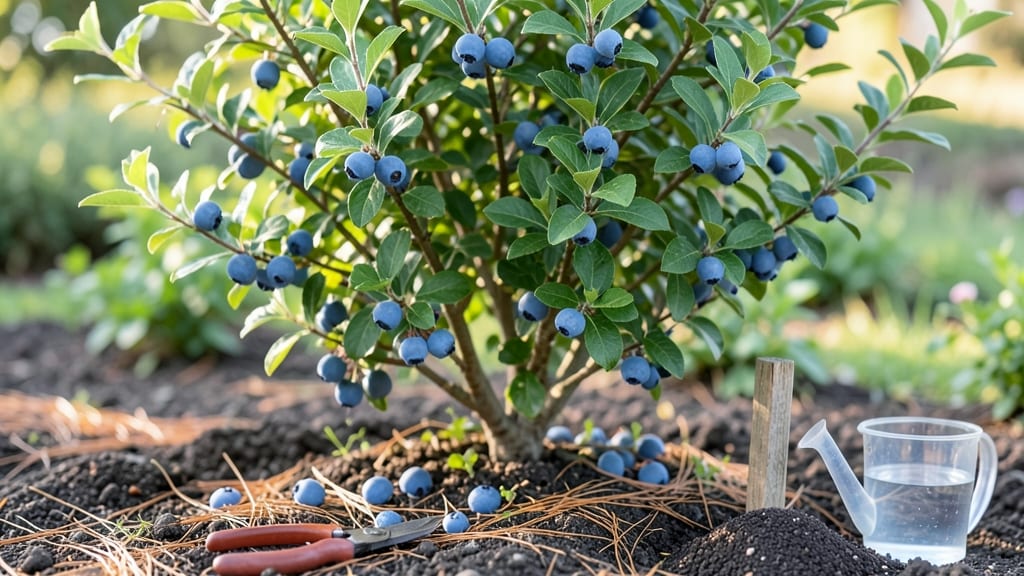
The secret to speedy harvests lies in gardening blueberry bushes from seedlings—you’ll enjoy homegrown berries in just two to three years, not five or six.
I’ve grown them in my backyard for years, and the secret isn’t complicated: it’s all about the soil, the sunlight, and a little patience with pruning.
The biggest mistake beginners make is assuming blueberries need acidic soil like rhododendrons—it’s true, but most garden centers sell soil that’s too acidic. Aim for 4.5 to 5.5 pH, and you’ll see faster growth and bigger yields.
You’ll also need 6+ hours of direct sun daily and well-draining soil, whether you’re planting in-ground or containers.
By year three, you’ll be picking clusters of berries that taste far better than store-bought—and the bushes will keep producing for decades with proper care. The first harvest might be small, but each year after that, you’ll watch the plants thicken and fruit more heavily.
Pruning in late winter keeps them healthy, and a light layer of mulch saves you from weeding.
Works for both Northern and Southern highbush varieties, whether you’re in Zone 4 or Zone 9. The key is matching your bush type to your climate and giving it consistent moisture—especially in the first two years. Let’s get those seedlings planted right!
📚 In This Guide
- What you need
- Instructions
- Tips and common mistakes
- Wrapping up and next steps
What you need
- ● Blueberry plants or seeds: 2-4 dwarf or semi-dwarf blueberry bushes (for home gardens; choose southern highbush, northern highbush, or rabbiteye varieties based on your climate zone).
- ● OR blueberry seeds (soaked in water for 24-48 hours before planting).
- ● Soil amendments: 5-10 lbs of peat moss or coconut coir (to lower soil pH).
- ● 1-2 lbs of sulfur (for acidic soil, if needed).
- ● 1 cup of granulated lime (only if soil is too acidic, pH > 5.5).
- ● Fertilizer: 1 lb of balanced organic fertilizer (10-10-10) OR 1 lb of acid-loving plant fertilizer (e.g., Osmocote).
- ● Mulch: 3-4 inches of pine bark, wood chips, or straw (to retain moisture and acidify soil).
- ● Tools: Trowel or hand shovel.
- ● Garden fork (for aerating soil).
- ● Pruning shears (for shaping and harvesting).
- ● Garden hose or watering can (with a spray nozzle).
- ● pH testing kit (to monitor soil acidity).
- ● Blueberry bird netting (to protect ripe berries from wildlife).
- ● Drip irrigation system (for consistent moisture).
- ● Compost or worm castings (for nutrient-rich soil).
- ● Row covers (for frost protection in early spring).
- ● Garden gloves (to keep hands clean while pruning).
Step-by-step guide for planting and maintaining blueberry bushes
Here's how to establish healthy blueberry bushes that produce fruit for years.
Choose the Right Location and Prepare the Soil
Blueberry bushes thrive in acidic soil with a pH between 4.5 and 5.5. Test your soil before planting—most garden centers sell affordable test kits. If your soil is too alkaline, mix in sulfur or peat moss to lower the pH. I like to plant my bushes in full sun (at least 6 hours of direct sunlight daily) because this encourages strong growth and better fruit production.
Dig a hole twice as wide as the root ball but only as deep as the container the bush came in. This prevents burying the stem too deeply, which can cause rot. Loosen the soil at the bottom of the hole with a garden fork to help roots spread easily. If you're planting multiple bushes, space them 4 to 6 feet apart—this gives them room to grow without competing for nutrients.
Plant the Blueberry Bushes Correctly
Remove the bush from its container and gently loosen the roots if they’re circling. Place the bush in the hole so the top of the root ball sits just above soil level—this prevents water from pooling around the stem. Fill the hole with soil and press lightly to remove air pockets, but don’t compact it too firmly. Water deeply right after planting to settle the soil and eliminate gaps.
I always add a 2-inch layer of pine bark mulch around the base of the bush (but not touching the stem) to retain moisture and slowly acidify the soil over time. Mulch also suppresses weeds, which compete for nutrients. Water the bush again after mulching to help the mulch settle and start breaking down.
Water and Fertilize for Healthy Growth
Blueberry bushes need consistent moisture, especially in their first year. Water deeply once a week (or more often in hot, dry weather) until the soil is 6 inches deep and evenly damp. Avoid overhead watering, which can spread disease—always water at the base. You’ll know the soil is moist enough when it feels damp but not soggy to the touch.
Fertilize in early spring with an acid-loving plant fertilizer (look for one with high nitrogen for new growth). Follow the package instructions for amounts, but I usually cut the recommended dose in half for the first year. Avoid fertilizers with lime or high phosphorus, as they raise soil pH and harm blueberries. Repeat fertilization in mid-summer to support fruit production for the next season.
Prune and Protect for Long-Term Fruit Production
Prune in late winter or early spring before new growth appears. Remove dead, diseased, or crossing branches first—this improves airflow and reduces pests. Then, cut back last year’s growth by one-third to encourage new, fruiting wood. I always sterilize my pruners with rubbing alcohol between cuts to prevent spreading disease.
Watch for bird damage—blueberries are a favorite snack! Cover young bushes with bird netting if birds are a problem in your area. You’ll also want to protect bushes from late spring frosts, which can damage blossoms. If frost is forecast, drape a lightweight frost cloth over the bush until temperatures rise.
Harvest and Maintain for Year-Round Success
Blueberries ripen in late summer, usually between July and August, depending on your climate. Harvest when the berries are deep blue and slightly soft to the touch—they won’t ripen further once picked. Gently twist the berries from the stem to avoid damaging the plant. I always harvest in the early morning when berries are cool and firmest.
After harvesting, remove any dead or overripe berries that fall to the ground to prevent pests and disease. In fall, add a 2-inch layer of fresh mulch to protect roots from freezing temperatures. If you live in a cold climate, consider wrapping the base of young bushes with burlap for extra insulation. With proper care, your blueberry bushes will produce fruit for decades!
Tips & tricks for perfect blueberry bushes gardening
Here’s what I’ve learned from years of growing blueberry bushes—these tricks will help you avoid common pitfalls and maximize your harvest.
The Soil Factor: Don’t rush soil testing! I’ve seen gardeners skip this step and end up with poor yields because their soil was too alkaline. If your soil pH is above 5.5, mix in sulfur or peat moss a few weeks before planting to give it time to adjust. You can also plant in raised beds filled with acidic soil mix if your native soil is problematic.
Planting Precision: When placing the bush in its hole, the top of the root ball should sit just above soil level—this is critical. If you bury it too deeply, the stem can rot. After planting, press the soil lightly but don’t compact it too firmly. Think of it like giving the roots a gentle hug—they’ll appreciate the snug fit without being squeezed.
Watering Wisdom: The once-a-week watering guideline works for most climates, but pay attention to your soil. Stick your finger 6 inches deep—if it feels dry, it’s time to water. In hot weather, you might need to water twice a week. Always water at the base to prevent fungal diseases that overhead watering can spread.
Pruning Payoff: When you cut back last year’s growth by one-third in late winter, you’re not just tidying up—you’re encouraging the bush to produce more fruit. Always sterilize your pruners between cuts to prevent spreading disease. And here’s a pro move: save those pruned branches and compost them—they’ll break down into nutrient-rich soil for next year’s harvest.
Pro Tips for Gardening Blueberry Bushes
- Here’s what I’ve learned from years of growing blueberry bushes—these tricks will help you avoid common pitfalls and maximize your harvest.
- The Soil Factor: Don’t rush soil testing!
- Planting Precision: When placing the bush in its hole, the top of the root ball should sit just above soil level—this is critical.
Frequently asked questions
Got questions about growing your own blueberry bushes? You’re not alone! Here are some of the most common queries—plus straightforward answers to help you cultivate a thriving harvest.
How long does it take for blueberry bushes to produce fruit?
Patience is key! Most blueberry bushes take 2–3 years to bear fruit from seedlings, while established nursery plants may fruit in 1–2 years. Northern highbush varieties (like ‘Bluecrop’) often fruit earlier than southern or rabbiteye types. Mulch well and keep soil acidic to speed up the process. Pro tip: Prune lightly in the first year to encourage bushier growth!
Can I grow blueberry bushes in containers?
Containers are perfect for small spaces or renters. Use a large pot (at least 18–24 inches wide) with drainage holes and a peat-based, acidic soil mix (pH 4.5–5.5). Dwarf varieties like ‘Top Hat’ or ‘Peach Sorbet’ thrive in containers. Just water consistently and fertilize with an acid-loving plant food every 4–6 weeks. Warning: Containers dry out faster—check soil moisture daily in hot weather!
Do blueberry bushes need winter protection?
Young bushes (under 3 years old) benefit from winter protection, especially in colder climates. Apply 3–4 inches of mulch (straw or pine needles) around the base after the ground freezes. For extreme cold (<0°F), wrap the bush in burlap or frost cloth and cover with a lightweight tarp. Avoid heavy mulch in spring—remove it gradually to prevent rot. Pro tip: Prune damaged branches in early spring!
What pests or diseases should I watch for?
Blueberry bushes are tough, but watch for:
- Birds: Use netting during harvest season!
- Spotted wing drosophila: Trap with apple cider vinegar bait.
- Mummy berry fungus: Remove infected fruit and prune for airflow.
- Aphids or mites: Spray with neem oil or insecticidal soap.
How do I know when blueberries are ripe and ready to pick?
Ripe blueberries are deep blue or purple (not red!) and easily detach from the stem with a gentle tug. Avoid picking when wet—they bruise easily. Harvest in morning when flavors are sweetest. Pro tip: Pick selectively to encourage more berries to ripen. Fun fact: Overripe berries ferment and attract wildlife—so act fast!
Wrapping up and next steps
Growing your own blueberry bushes is a rewarding journey that brings sweet, antioxidant-packed fruit straight to your table—and with the right care, you can enjoy a year-round harvest! From selecting the perfect seedlings to mastering soil pH and pruning techniques, every step unlocks the potential for lush, productive bushes.
Whether you’re a beginner or a seasoned gardener, the key is patience, consistency, and a little love for these vibrant shrubs.
Ready to take the next step? Start small—plant a few bushes this season, experiment with varieties, and watch your garden thrive. Before you know it, you’ll be sharing jars of homemade blueberry jam or fresh berries with friends. Happy gardening! 🌱💙