
Tools
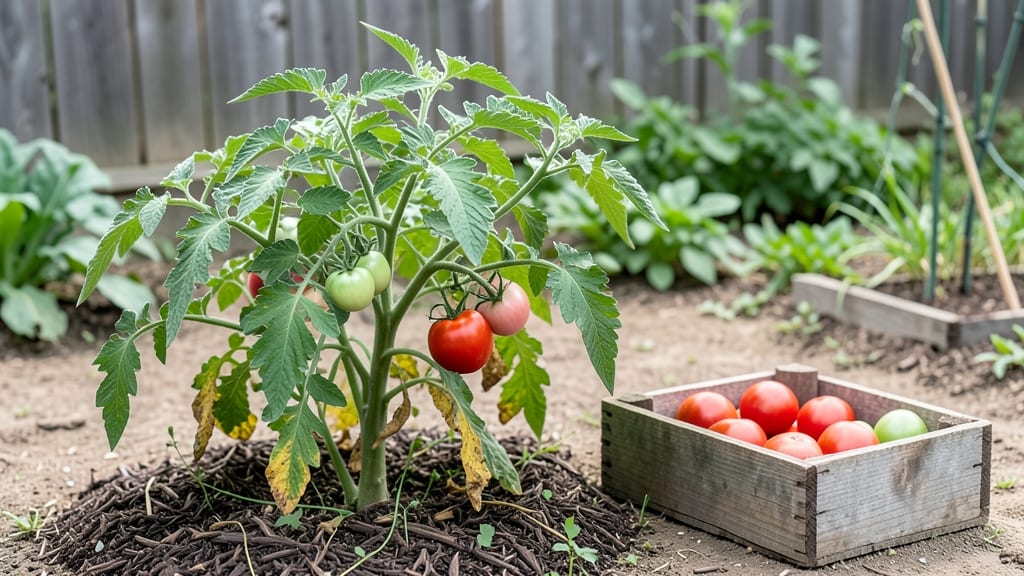
Gardening for abundance isn't just about planting seeds—it's about outsmarting the growing season so your garden produces more than you ever thought possible. 🌱 I've gone from struggling with sparse harvests to filling my kitchen with fresh food year-round, and the secret lies in how we work with nature, not against it.
The key moves are simple but powerful: enriching soil so roots thrive, pairing plants that support each other, and keeping the harvest going through every season. You don't need acres—just smart spacing and a few strategic techniques that multiply your yields without extra work.
My zucchini plants now produce so many fruits they feed neighbors, and my tomatoes stay productive from June until frost.
What you'll get is a garden that doesn't just survive but explodes with life—lush vines heavy with fruit, herbs that regrow after cutting, and vegetables that keep coming wave after wave.
The best part? You'll spend less time fighting pests and more time enjoying the overflow. Let's turn your space into a productivity powerhouse.
These methods work for any size garden, from city balconies to backyard plots, and adapt to different climates. The principles stay the same—only the timing shifts. Ready to transform your green space into a year-round feast?
📚 In This Guide
- What you need
- Instructions
- Tips and common mistakes
- Wrapping up and next steps
What you need
- ● Garden Plot: 4’ x 8’ raised bed or in-ground space (adjust size based on crops).
- ● Soil: 2–3 cubic yards of high-quality compost (e.g., Black Kow or homemade) + 1 cubic yard of topsoil per bed.
- ● Seeds: Fast-growing: 50+ radish, lettuce, or spinach seeds.
- ● Mid-season: 10 tomato, 5 pepper, or 3 zucchini plants.
- ● Slow-maturing: 2–3 broccoli or cabbage plants.
- ● Watering: Drip irrigation kit ($20–$50) or hose with adjustable nozzle.
- ● Fertilizer: Organic options like worm castings (1 lb/bed) or balanced 10-10-10 fertilizer (1 cup/bed).
- ● Mulch: Straw or wood chips (2–3 bags) to retain moisture.
- ● Garden journal (for tracking plant progress).
- ● Pruners, trowel, and kneeling pad for comfort.
- ● Row covers or cold frames ($15–$30) to extend seasons.
- ● Compost bin (if not using store-bought compost).
- ● pH test kit ($10) to monitor soil health.
Step-by-Step instructions for creating a year-round abundant garden
Here's how to transform your space into a thriving, productive garden that keeps giving.
🌱 Step 1: Plan for Seasonal Layering
Start by mapping your garden in quadrants—each will focus on a different harvest window. I divide mine into spring greens, summer heat-lovers, fall root crops, and winter cold-hardy plants. Use a sketch pad to draw your layout, noting sun exposure and wind patterns. This ensures you're not competing for resources between plants with different needs.
For example, dedicate the sunniest spot to tomatoes and peppers in summer, then plant garlic or spinach there in winter. The key is succession planting: as one crop finishes, another begins. This keeps your soil active and your harvests continuous. I always mark my calendar with planting dates for each quadrant to avoid gaps.
💧 Step 2: Build Soil Health Year-Round
Healthy soil is the foundation of abundance. Begin by amending your beds with 2-3 inches of compost every season—this feeds microbes that break down nutrients for plants. I mix in 1 cup of organic fertilizer per 10 square feet of garden at planting time, then top-dress with 1 inch of mulch to retain moisture and suppress weeds.
Rotate crops annually to prevent disease buildup and nutrient depletion. For instance, if you grew tomatoes in a spot this year, plant beans there next—they’ll fix nitrogen in the soil. Avoid planting the same family in the same place two years in a row. Test your soil every 3 years to check pH and adjust with lime or sulfur as needed.
☀️ Step 3: Extend the Growing Season Strategically
Use season-extending tools to maximize harvests. In early spring, cover seedlings with floating row covers when nights dip below 40°F—this traps heat and protects tender plants. I also plant cold-hardy greens like kale and Swiss chard in late summer for fall harvests, then cover them again in late autumn with low tunnels or cold frames to push harvests into winter.
For summer, shade cloth (30-50% coverage) protects heat-sensitive crops like lettuce from bolting. Place it 2-3 feet above plants to allow airflow. In winter, move potted herbs and delicate perennials to a sunny indoor spot or unheated greenhouse to keep them producing. The goal is to create microclimates that let you grow year-round.
✂️ Step 4: Prune and Train for Maximum Yield
Regular pruning encourages bushier growth and more abundant harvests. For tomatoes, I pinch off suckers (the small shoots in the leaf axils) to direct energy to fruit production. For cucumbers, train vines along a trellis to save space and improve air circulation, which reduces disease. I also deadhead spent flowers on herbs like basil to prompt new growth and more leaves.
Harvest frequently—this signals plants to produce more. For example, pick beans every 2-3 days to encourage continuous flowering. With leafy greens, harvest outer leaves first, leaving the inner growth intact. This method keeps plants productive for weeks longer than letting them bolt. I always carry pruners and a basket to check the garden daily during peak seasons.
🪴 Step 5: Repurpose and Repopulate
At the end of each season, evaluate what worked and what didn’t. Save seeds from your healthiest plants—this ensures next year’s crops are adapted to your microclimate. I label seed packets with the variety and harvest date to track performance. For example, if a tomato variety consistently produces more in your garden, plant more of it next season.
Repurpose failed areas: if a crop struggled due to poor soil, amend that spot heavily for next year’s planting. If pests were an issue, rotate to a different plant family and introduce companion plants like marigolds to deter insects. I also keep a garden journal to note successes and failures—this becomes your roadmap for future abundance.
Tips & tricks for year-round garden abundance
Here's the secret to turning your garden into a nonstop harvest machine—without the guesswork.
Seasonal Layering Secret: When planning your quadrants in Step 1, remember that vertical space matters too! Use trellises for vining crops like cucumbers or peas to free up ground space for other plants. This lets you grow more in the same footprint—just make sure to train vines properly to avoid shading lower plants. I've doubled my harvest in small spaces by going vertical!
Soil Health Shortcut: In Step 2, don't wait until planting time to amend your soil. Start building soil health now by adding 1 inch of compost every month—this keeps microbes active year-round. For quick results, mix in 1 cup of worm castings per 10 square feet at planting (optional but game-changing!). The more organic matter, the better your plants will thrive.
Season-Extending Hack: That 40°F threshold in Step 3 is your magic number for spring protection. For extra insurance, add a 1-inch layer of straw mulch around tender seedlings before covering with row covers—this adds an extra degree of warmth. In winter, consider using black plastic mulch under cold frames to absorb heat during the day and radiate it back at night.
Pruning Payoff: The 2-3 day harvest window for beans in Step 4 might seem frequent, but it's worth it. I set a phone reminder every other day during peak season to check my bean plants—this simple habit keeps them producing for weeks longer. For leafy greens, harvest the outer leaves first and leave the inner growth intact, which gives you 3-4 harvests from a single planting!
Pro Tips for Gardening For Abundance
- Here's the secret to turning your garden into a nonstop harvest machine—without the guesswork.
- Seasonal Layering Secret: When planning your quadrants in Step 1, remember that vertical space matters too!
- Soil Health Shortcut: In Step 2, don't wait until planting time to amend your soil.
Frequently asked questions
Got questions about maximizing your garden’s yield? You’re not alone!
Here are answers to the most common queries about gardening for abundance—whether you’re a newbie or a seasoned green thumb.
How do I start a year-round harvest with limited space?
Focus on vertical gardening (trellises, hanging pots) and container-friendly crops like lettuce, herbs, and dwarf tomatoes. Use succession planting—sow fast-growing crops (radishes, greens) every 2–3 weeks to keep harvests steady. Even a balcony can yield abundance with the right planning!
What’s the best time to plant for continuous harvests?
Timing depends on your climate, but cool-season crops (kale, spinach, carrots) thrive in early spring/fall, while warm-season crops (peppers, cucumbers, beans) need summer heat. For year-round success, stagger plantings every 2–4 weeks and extend seasons with row covers or cold frames.
How do I deal with pests without chemicals?
Prevention is key! Use companion planting (e.g., marigolds repel nematodes), introduce beneficial insects (ladybugs, lacewings), and handpick pests early. Neem oil or soapy water sprays work gently. Healthy soil = resilient plants that resist pests naturally.
Is gardening for abundance expensive? What’s the budget-friendly hack?
Not at all! Start with seeds over seedlings (cheaper and more variety), reuse containers (old buckets, tires), and compost kitchen scraps. Save seeds from heirloom plants, and swap cuttings with neighbors. Even a $50 starter kit can yield pounds of produce!
What if my garden fails one season? How do I troubleshoot?
Don’t panic! Keep a planting journal to track issues (e.g., too much shade, poor drainage). Next season, adjust sunlight, soil, or watering. Test your soil (free kits at extension offices) and amend with compost. Sometimes, a single factor—like overwatering—can turn things around!
Wrapping up and next steps
Gardening for abundance isn’t just about filling your plate—it’s about cultivating joy, sustainability, and resilience in every season. Whether you’re a beginner or a seasoned green thumb, the key lies in understanding your soil, choosing the right crops, and embracing year-round strategies.
Start small, stay curious, and watch your efforts bloom into a bountiful harvest that nourishes both body and soul.
🌱 Your next step? Pick one technique from this guide—maybe succession planting, soil enrichment, or preserving your harvest—and try it this week. Share your progress or ask questions in the comments; we’re all learning together! The earth rewards patience, so get your hands dirty and grow with confidence. 🌿