
Pruning
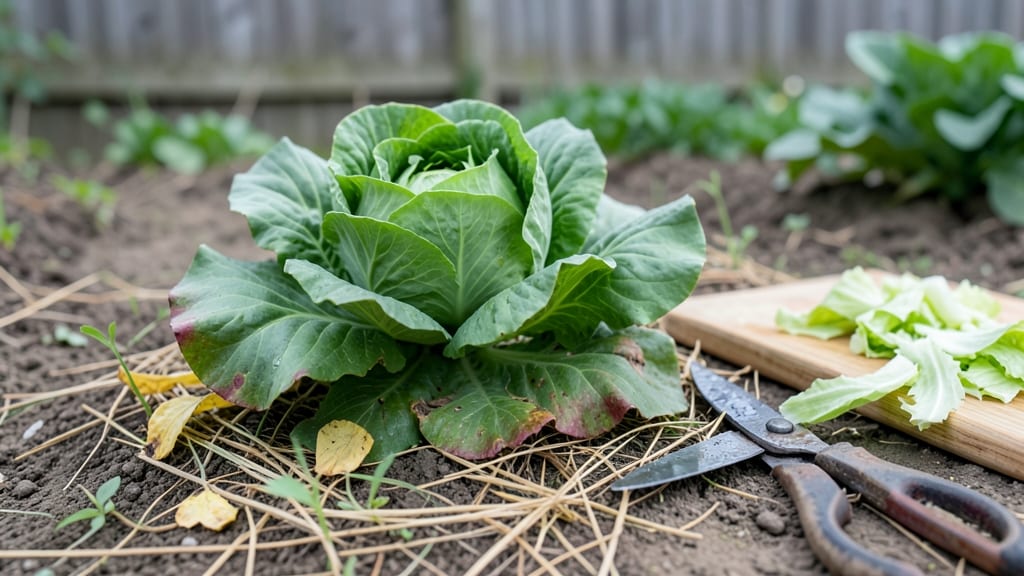
Trimming lettuce from your garden isn't just about harvesting—it's about keeping your plants productive and your salad bowls full. ✨ I learned the hard way that cutting too much at once or using the wrong tools leaves you with sad, stunted plants instead of a steady supply of fresh greens.
The right technique makes all the difference between a garden that gives up after one harvest and one that keeps producing for months.
You only need three things: sharp scissors or a clean knife, a sunny day (so the plants aren't stressed), and a little patience. The key is cutting just above the lower leaves—never from the very base—so the plant has energy to regrow.
For leaf lettuces like romaine or butterhead, you can trim outer leaves as they reach 6–8 inches tall, while head lettuces like iceberg should be harvested all at once when the head is firm.
What you'll end up with is a garden that keeps giving, even in hot weather. Lettuce trimmed properly stays crisp and sweet, and the plants bounce back faster than you'd expect.
Store harvested leaves in a damp paper towel in the fridge, and you'll have fresh greens ready for weeks—no wilted disappointment at the salad bar.
This method works for every type of lettuce, from loose-leaf varieties that regrow constantly to crispheads that need one clean harvest. The secret is consistency: trim regularly, avoid cutting more than a third of the plant at once, and you'll enjoy homegrown lettuce all season long.
Here's how to do it right the first time.
📚 In This Guide
- What you need
- Instructions
- Tips and common mistakes
- Wrapping up and next steps
What you need
- ● Sharp pruning shears or garden scissors – Look for bypass-style blades (not anvil-type) to avoid crushing delicate leaves. A 5- to 7-inch pair works best for precision.
- ● Clean, sharp kitchen knife or paring knife – A 3- to 4-inch serrated or straight-edged knife is ideal for trimming individual leaves or smaller harvests.
- ○ Gloves (optional but recommended) – Lightweight gardening gloves protect your hands from dirt, thorns (if dealing with wild lettuce), and blisters.
- ● Large bowl or basket – A sturdy, shallow container (like a salad spinner or woven basket) to hold trimmed lettuce and prevent bruising.
- ○ Water spray bottle (optional) – A 16-ounce spray bottle with water helps rinse off dirt and keeps leaves crisp during trimming.
- ● Newspaper or towel – Spread out on a flat surface to lay out lettuce heads while trimming (prevents slipping and keeps surfaces clean).
- ● Disinfectant spray (e.g., rubbing alcohol or diluted bleach) – Spray your tools before and after trimming to prevent cross-contamination (especially if reusing tools for other plants).
- ● Small hand pruners with a magnifying lens – Great for detailed work on baby lettuce or tight heads.
- ● Food-safe storage containers – If you’re prepping lettuce for long-term storage, use airtight containers or zip-top bags with paper towels to keep it fresh.
- ● Sunhat and sunscreen – Because even a quick trimming session can turn into a sunny afternoon project! ☀️
Step-by-step instructions for trimming lettuce from garden
Here’s the simple, foolproof way to keep your lettuce thriving while harvesting fresh leaves all season.
🌿 Step 1: Choose the Right Time for Trimming
Wait until your lettuce has grown at least 3-4 inches tall and has 4-6 mature leaves. This ensures the plant has enough energy to regrow after cutting. Early morning is best—leaves stay crisp and crispy, and the plants aren’t stressed by heat or wilting.
Check the weather first. Avoid trimming if rain is forecast within 24 hours, as wet leaves take longer to dry and can invite rot or disease. If your lettuce is bolting (sending up a tall flower stalk), harvest immediately—those leaves will get bitter fast.
✂️ Step 2: Use Clean, Sharp Tools for Precise Cuts
Grab your sharp pruning shears or clean kitchen scissors—dull blades crush stems and invite disease. Never use your fingers or scissors that’ve been in other plants (like tomatoes or peppers), as they might carry pathogens. A quick wipe with rubbing alcohol between cuts keeps everything sterile.
Make your cut just above a leaf node—this is the little bump where new leaves grow. Aim for a ¼-inch angle above the node to prevent water from pooling and rotting the stem. You’ll see a tiny bump where the leaf attaches; that’s your target spot for regrowth.
🌱 Step 3: Harvest Outer Leaves First to Encourage Regrowth
Never cut the center of the plant—this is where the heart leaves form, and removing them stunts future growth. Instead, snip the outer ⅔ of each mature leaf, leaving the inner leaves intact. This method lets your lettuce keep producing for 4-6 weeks longer than a single harvest.
If you’re harvesting a whole head (like romaine or iceberg), cut the entire plant at the base with a single clean slice. For loose-leaf varieties like buttercrunch or oakleaf, pick individual leaves as needed. Watch for yellowing or wilted leaves—these are past their prime and should go first.
💧 Step 4: Water and Fertilize After Trimming
Give your lettuce a deep drink of water right after trimming to help it recover. The roots will need extra moisture to support new growth, especially if you’ve cut back a lot. Water at the base, not overhead, to keep leaves dry and prevent fungal issues.
Add a light dose of balanced fertilizer (like 10-10-10) if your lettuce looks pale or growth slows after cutting. Too much fertilizer now can cause bitter leaves, so stick to half-strength if you’re unsure. Mulch around the base with 1 inch of straw or grass clippings to retain moisture and keep weeds down.
☀️ Step 5: Monitor for Stress and Adjust Care
Keep your trimmed lettuce in partial shade for 2-3 days after cutting to help it recover. Full sun can stress newly trimmed plants, especially in hot weather. If your lettuce starts bolting (sending up a flower stalk), move it to a cooler spot or harvest immediately—those leaves turn bitter fast.
Watch for pests like aphids or slugs after trimming, as stressed plants attract them. A quick spray of water or a barrier of diatomaceous earth keeps them away. If leaves yellow between veins, it’s likely overwatering—let the soil dry out slightly before watering again.
Tips & tricks for perfect lettuce trimming
Here's what nobody tells you about keeping your lettuce thriving after every harvest—these tricks make all the difference.
Timing is Everything: The 24-hour rain forecast rule is non-negotiable! Wet leaves stay damp for hours after rain, creating the perfect environment for fungal diseases. I've lost entire lettuce plants because I ignored this—always check the weather app before trimming. Early morning harvests also prevent wilting from afternoon heat, keeping your leaves crisp for salads.
Tool Technique: Sharp tools aren't just about clean cuts—they're about plant health. Dull scissors crush stems, creating entry points for bacteria. I keep a small bottle of rubbing alcohol in my gardening toolkit to wipe blades between cuts. For loose-leaf varieties, I use my kitchen scissors with a fresh wipe between each plant to prevent cross-contamination.
Regrowth Strategy: That outer ⅔ rule is golden—literally! When you leave the inner leaves intact, you're preserving the plant's energy reserves. I've seen buttercrunch lettuce produce continuously for 8 weeks using this method, while cutting the center would have killed the plant after just 2-3 harvests. For head lettuce like romaine, I make one clean cut at the base to avoid disturbing the growing point.
Post-Cut Recovery: The 2-3 days of partial shade after trimming is your plant's recovery period. Think of it like giving your lettuce a spa day—cool temperatures and indirect light help it bounce back. I've noticed that plants in full sun during this time often bolt faster. After the shade period, I gradually reintroduce morning sun to harden them off for full sun exposure.
Pro Tips for Trim Lettuce From Garden
- Here's what nobody tells you about keeping your lettuce thriving after every harvest—these tricks make all the difference.
- Timing is Everything: The 24-hour rain forecast rule is non-negotiable!
- Tool Technique: Sharp tools aren't just about clean cuts—they're about plant health.
Frequently asked questions
Got questions about trimming your garden lettuce? You’re not alone! Here are answers to the most common queries—so you can harvest with confidence and keep your greens thriving.
When is the best time to trim lettuce?
Trim lettuce in the early morning when it’s cool and crisp. This reduces stress on the plant and ensures the freshest harvest. Avoid trimming after a heavy rain or during extreme heat—wait for dry, mild conditions to prevent disease.
How much should I cut off each time?
Leave about 1–2 inches of growth at the base to encourage regrowth. For loose-leaf varieties, snip outer leaves as needed. For head lettuce (like romaine or iceberg), trim just the outer leaves to preserve the core. Over-trimming can stunt future harvests!
What if my lettuce bolts or turns bitter?
Bolting (shooting up flowers) happens in heat. To prevent it, harvest before heads form or shade plants with row covers. For bitter flavor, try cut-and-come-again harvesting—trim leaves young and frequently. If it’s too late, replant with heat-tolerant varieties like Jericho or Black Seeded Simpson.
Can I use scissors or should I pull leaves by hand?
Both work! Use clean, sharp scissors or pruners for precise cuts (especially for head lettuce) to avoid tearing. For loose-leaf, hand-plucking is fine—just grip the leaf near the base and pull gently. Never yank leaves; it can damage the plant.
What do I do with trimmed lettuce?
Use it immediately in salads, sandwiches, or smoothies! Store trimmed leaves in a damp paper towel inside a sealed container in the fridge for 3–5 days. For longer storage, blanch and freeze outer leaves—just avoid the soggy center.
Why is my lettuce turning yellow after trimming?
Yellowing can mean over-trimming, nutrient deficiency (add compost!), or disease. If only outer leaves yellow, it’s normal—trim those off. For widespread yellowing, check for pests (like aphids) or fungal spots. Adjust watering (lettuce hates soggy roots!) and trim only healthy leaves.
Wrapping up and next steps
Trimming lettuce from your garden doesn’t have to be a daunting task—with the right tools, timing, and technique, you’ll enjoy fresh, crisp leaves for weeks to come! 🌱 Remember to use clean scissors, harvest outer leaves first, and avoid over-trimming to keep your plants thriving.
Your efforts will reward you with homegrown goodness straight from the soil to your plate.
Now that you’re ready to trim like a pro, why not take the next step? Try experimenting with regrowing lettuce from scraps or exploring other leafy greens like spinach or kale. Happy gardening! 🌿