
Advice
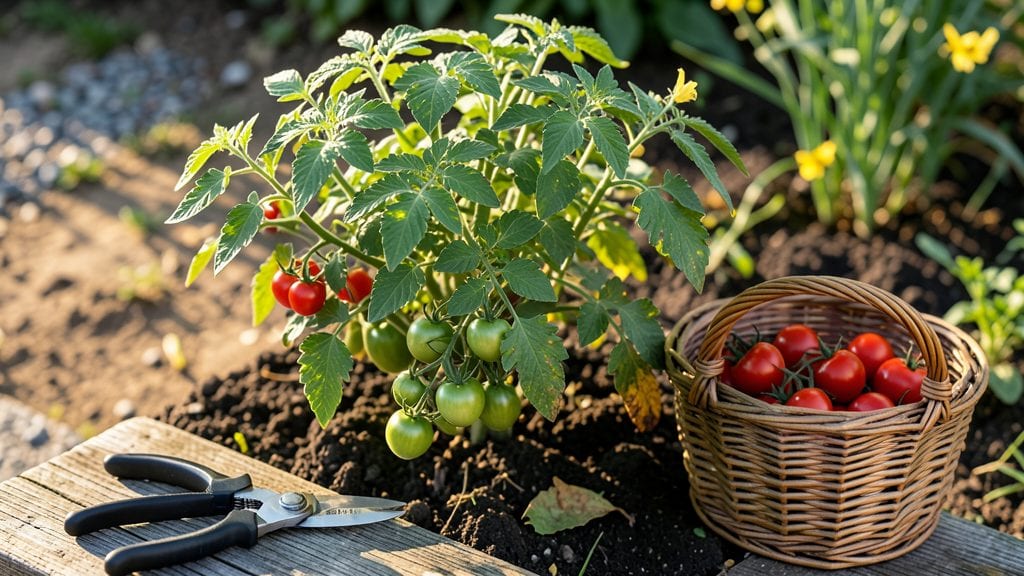
July gardening tasks hinge on two things: keeping plants alive in the heat and setting them up for a strong harvest finish. I’ve learned the hard way that July isn’t just about watering—it’s about smart watering, strategic pruning, and watching for pests that thrive in the humidity.
The first time we saw seedlings sprout from seeds we planted ourselves, we didn’t realize how much mid-summer care would make or break that early success.
Your focus should be on deep watering early in the morning to avoid evaporation, mulching to lock in moisture, and pruning spent blooms to encourage more flowers or fruit. We’ve seen tomatoes and peppers explode with production when given consistent care—even in drought conditions.
The key is checking soil moisture with a finger before watering; if the top inch feels dry, it’s time. For ornamental plants, deadheading wilted blooms keeps them putting energy into new growth instead of seeds.
By the end of July, you’ll notice stronger stems, heavier harvests, and plants that look shockingly resilient—if you’ve been consistent. The payoff comes in late summer when your garden is still thriving while others wilt.
We keep detailed garden journals to track which varieties handle heat best in our zone, and you can too. Start small: focus on one bed or container at a time, and watch how quickly the results add up.
This checklist works for backyard gardens, raised beds, or even container setups on patios. The principles stay the same—just adjust water volume based on container size. Whether you’re battling aphids or just trying to keep basil from bolting, these tasks keep everything on track for a neighbor-jealousy-level** harvest season.
📚 In This Guide
- What you need
- Instructions
- Tips and common mistakes
- Wrapping up and next steps
What you need
- ● Hand Trowel (1-2) – For transplanting seedlings or dividing perennials.
- ● Pruning Shears (1) – Sharp, bypass-style shears for trimming dead or overgrown branches.
- ● Garden Gloves (1 pair) – Durable, breathable gloves (e.g., Copper Fit or Fellowes) to protect your hands.
- ● Watering Can or Hose (1) – A 1-2 gallon can for delicate plants or a soaker hose for deep hydration.
- ● Mulch (2-3 bags, 2-4 cu. ft. each) – Organic mulch (e.g., straw, shredded bark, or pine needles) to retain moisture and suppress weeds.
- ● Compost or Fertilizer (1 bag) – A balanced 10-10-10 or organic fertilizer (e.g., fish emulsion) to boost nutrient levels.
- ● Plant Support Stakes (5-10) – Bamboo or tomato cages for tall or sprawling plants (e.g., tomatoes, peppers, or sunflowers).
- ● Pest Control Spray (1 bottle) – Neem oil or insecticidal soap for organic pest management.
- ● Garden Kneeler Pad (1) – For comfort during long planting sessions.
- ● pH Test Kit (1) – To check soil acidity and adjust as needed.
- ● Seedling Trays (1-2) – For starting late-season crops like basil, lettuce, or kale.
- ● Harvest Basket or Crates (2-3) – For easy transport of fresh produce.
- ● Solar-Powered Garden Lights (1-2) – To deter pests and illuminate pathways.
Instructions for July gardening tasks
July is all about keeping plants thriving and setting up for a bountiful harvest season.
Prune and Train Vigorous Plants
Focus on plants that have grown aggressively this season, like tomatoes, peppers, and beans. Use clean, sharp pruners to trim back any leggy growth or crowded foliage. This improves air circulation and reduces the risk of disease. For tomatoes, pinch off suckers—the small shoots that form in the joint between the main stem and branches—to direct energy toward fruit production.
Watch for signs of overgrowth, like leaves shading the lower stems or flowers struggling to get enough sunlight. If you see these, it’s time to prune. Always cut just above a leaf node or branch junction to encourage new growth. I’ve found that pruning in the early morning helps plants recover faster, as the cooler temperatures reduce stress.
Mulch to Retain Moisture and Suppress Weeds
Apply a fresh layer of mulch around the base of your plants, keeping it about 2-3 inches thick and avoiding direct contact with stems. Organic mulches like straw or shredded leaves work well, as they break down over time and add nutrients to the soil. This is especially important in July, when heat and dry conditions can stress plants.
Mulching also helps regulate soil temperature, keeping roots cooler during hot days. Look for areas where weeds are popping up—these are prime spots to add extra mulch. I like to pull weeds first, then spread the mulch evenly, making sure it covers the soil surface completely. This saves time later and keeps your garden looking tidy.
Monitor and Manage Watering
July’s heat means plants need consistent moisture, but overwatering can lead to root rot. Water deeply in the early morning or late evening to reduce evaporation and give roots time to absorb moisture. Aim for 1-1.5 inches of water per week, including rainfall. Use a rain gauge or tuna can to measure—it’s surprising how little water actually reaches the soil.
Check the soil moisture by sticking your finger 1-2 inches deep. If it feels dry, it’s time to water. Avoid wetting the leaves, especially in the heat of the day, as this can encourage fungal diseases. Drip irrigation or soaker hoses are great tools for delivering water directly to the roots without waste.
Harvest Regularly to Encourage Production
July is peak harvest time for many vegetables, so stay on top of it! Pick fruits and vegetables when they’re ripe to encourage more production. For example, harvest tomatoes when they’re fully colored but still slightly firm, and pick beans when pods are plump and crisp. The more you harvest, the more your plants will produce.
Keep an eye out for overripe or damaged produce—these can attract pests and spread disease. If you’re overwhelmed by the harvest, try freezing, canning, or sharing extras with neighbors. I’ve found that a quick trip to the garden every morning with a basket keeps things manageable and ensures nothing goes to waste.
Fertilize for Continued Growth
Mid-summer is a great time to give plants a nutrient boost, especially if you’ve been harvesting heavily. Use a balanced, slow-release fertilizer or compost tea to replenish nutrients without burning plants. Follow the package instructions for application rates, but generally, a light feeding every 4-6 weeks keeps plants happy.
Look for signs of nutrient deficiencies, like yellowing leaves or stunted growth, which signal it’s time to fertilize. I like to mix a small amount of compost into the soil around the base of plants—it’s a natural way to feed them without harsh chemicals. Avoid fertilizing late in the day, as it can stress plants in the heat.
Tips & tricks for July gardening tasks
A few strategic approaches will help you maintain a thriving garden during July's peak growing season. These insights come from years of observing how plants respond to mid-summer conditions.
Pruning Precision: When working on Step 1, focus on removing only the necessary growth—never more than one-third of the plant at once. I've seen gardeners over-prune in their excitement, which stresses plants during hot weather. For tomatoes specifically, prioritize removing suckers that form below leaf junctions, as these compete with fruit production. Use sterilized pruners to prevent spreading disease through open wounds.
Mulching Mastery: The 2-3 inch mulch layer in Step 2 serves multiple purposes beyond moisture retention. In particularly hot regions, consider adding a thicker layer (up to 4 inches) around heat-sensitive plants like lettuce or spinach. I've noticed that mulch breaks down faster in July's heat, so replenish it every 4-6 weeks. For weed suppression, focus on areas where weeds are already emerging rather than spreading mulch uniformly—this creates a more effective barrier.
Watering Wisdom: The 1-1.5 inches weekly guideline in Step 3 works for most gardens, but adjust based on your soil type. Sandy soils may need daily watering during heatwaves, while clay soils can hold moisture longer. I've found that watering at the base rather than overhead reduces fungal risks significantly. For container gardens, check soil moisture every morning—containers dry out much faster than in-ground beds.
Harvest Timing: In Step 4, the key to continuous production is harvesting consistently. For tomatoes, I've learned to pick them when they're just starting to change color—this encourages more flowers to set fruit. With beans, harvest every 2-3 days to prevent pods from becoming tough. For leafy greens like basil or cilantro, harvest outer leaves first to allow inner growth to continue. This technique keeps your plants productive throughout July's heat.
Pro Tips for July Gardening Tasks
- A few strategic approaches will help you maintain a thriving garden during July's peak growing season.
- Pruning Precision: When working on Step 1, focus on removing only the necessary growth—never more than one-third of the plant at once.
- Mulching Mastery: The 2-3 inch mulch layer in Step 2 serves multiple purposes beyond moisture retention.
Frequently asked questions
Got questions about tackling your July gardening tasks? You’re not alone! Here are some of the most common queries—and their straightforward answers—to keep your garden thriving this month.
What should I prioritize if I’m short on time in July?
Focus on watering deeply 2–3 times a week (early morning or evening) and weeding to prevent competition for nutrients. Prune dead or overgrown branches, and harvest ripe veggies/fruit to encourage more production. Skip non-essential tasks like heavy fertilizing—your plants will thank you!
How do I handle extreme heat or drought in July?
Mulch heavily (2–3 inches) to retain moisture, and water slowly at the base of plants to avoid evaporation. Group heat-tolerant plants (like okra, zucchini, or basil) together, and consider shade cloth for delicate greens. Morning watering is key—it reduces fungal risks and gives roots time to absorb hydration.
What’s the best way to deal with pests like squash bugs or aphids?
Start with physical removal: Handpick squash bugs (drop them in soapy water) or blast aphids off with a strong spray. For larger infestations, use neem oil or insecticidal soap (apply in the evening). Introduce beneficial insects like ladybugs or lacewings for long-term control. Rotate methods to avoid resistance!
Can I still plant anything in July, or is it too late?
July is perfect for warm-season crops like sweet potatoes, Southern peas, or late tomatoes. For cooler climates, opt for fast-growing greens (spinach, radishes) in partial shade. Just space seedlings generously—they’ll need room to establish before fall. Avoid transplanting heat-sensitive plants (like lettuce) unless you’re in a high-altitude zone.
How do I tell if my plants are overwatered vs. underwatered?
| Overwatered | Underwatered |
|---|---|
| Yellowing leaves (especially lower ones), mushy stems, fungal smells. | Crispy, brown leaf edges; wilting even after watering; soil pulls away from pot edges. |
| Check soil 1–2 inches down—if it’s soggy, cut back. | Stick your finger in: dry past 1 inch? Water thoroughly. |
Pro tip: Container plants dry out faster—monitor them daily in heatwaves!
Wrapping up and next steps
July is your garden’s prime time—a month of harvesting, nurturing, and setting the stage for autumn’s bounty. Whether you’re pruning, mulching, or battling pests, every task you tackle now ensures a thriving garden later.
With a little effort, you’ll be rewarded with abundant harvests, healthier plants, and a space that feels like a masterpiece.
Ready to put it all into action? Grab your tools, roll up your sleeves, and enjoy the process! Next, check out our August gardening checklist to keep the momentum going. Happy gardening! 🌱✨