
Tools
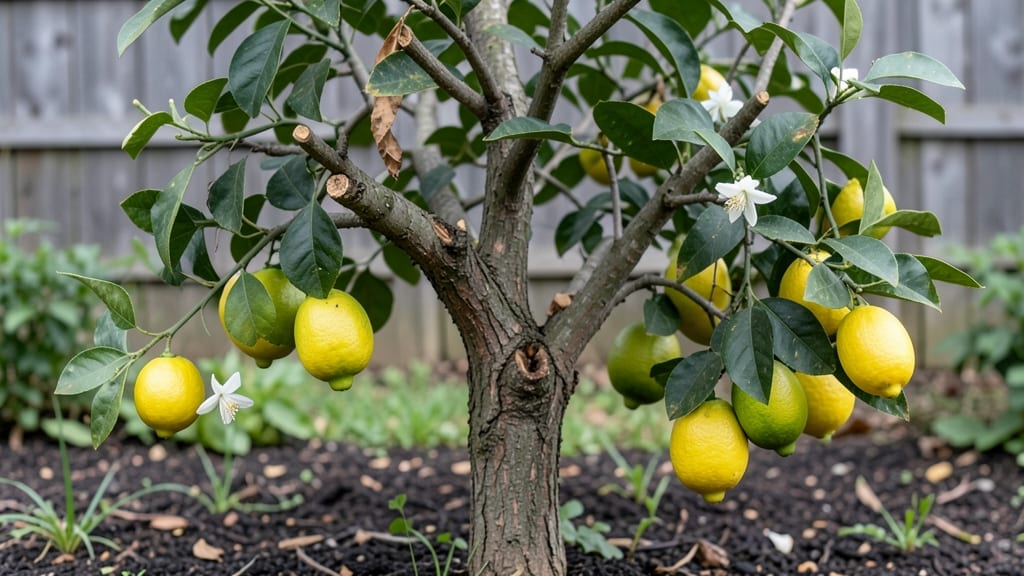
A lemon tree garden turns your backyard into a fragrant, sun-drenched retreat with privacy you can taste. 🌿 I planted mine last spring, and now the scent of blooms draws me outside every morning—before the lemons even ripen.
The trick isn’t just the trees themselves, but how they frame your space with lush foliage and seasonal interest.
You don’t need a big yard—dwarf varieties fit containers on patios, while full-size trees thrive in Mediterranean-style gardens. Pair them with lavender for fragrance, rosemary for texture, or climbing jasmine to soften the citrus’s bold edges.
A gravel path or mosaic stepping stones ties it all together, making the garden feel intentional from the first step.
The payoff? Year-round beauty: glossy leaves in summer, fragrant white blooms in spring, and golden fruit in fall. Even winter keeps interest with textured bark and evergreen companions.
My neighbors now ask how I got such a "luxury" look—and it’s all about the right plant mix and a little design thought.
Works in zones 9-11 for in-ground planting, but container growers in cooler climates can bring theirs indoors for winter. The key is matching varieties to your space and climate, then letting the trees do the rest of the work. Ready to design your own citrus privacy screen?
📚 In This Guide
- What you need
- Instructions
- Tips and common mistakes
- Wrapping up and next steps
What you need
- ● Lemon tree saplings: 1–3 dwarf varieties (like 'Meyer' or 'Eureka') for pots, or 1–2 standard trees for in-ground planting.
- ● High-quality potting mix: 5–10 gallons (or a well-draining citrus blend with perlite/pebbles for pots).
- ● Containers (if potted): 15–25 gallon pots with drainage holes (minimum 12" diameter for dwarf trees).
- ● Garden soil (in-ground): Amend with compost or citrus-specific soil mix (avoid clay-heavy soil).
- ● Fertilizer: Slow-release citrus fertilizer (e.g., Miracle-Gro Citrus & Palm) or organic options like fish emulsion.
- ● Mulch: 2–3 inches of wood chips or straw (to retain moisture and regulate temperature).
- ● Drip irrigation or hose: For consistent watering (lemon trees hate soggy roots!).
- ● Pruning shears: Sharp, clean pair for shaping and maintenance.
- ○ Stakes & ties (optional): For young trees in windy areas.
- ● Soil pH test kit (ideal range: 6.0–7.0).
- ● Citrus-specific fungicide (e.g., Neem oil for pests/diseases).
- ● Grow lights (if indoors or low-light conditions).
- ● Decorative trellis or lattice (for privacy screening).
- ● Glove & hat (sun protection during planting!).
Step-by-Step guide to planting a lemon tree garden
Here’s how to create a fragrant, productive lemon tree garden that thrives year-round.
🌱 Step 1: Choose the Right Location and Prepare the Soil
Lemon trees need full sun—at least 6-8 hours daily—so pick a spot with southern exposure. If you’re in a cooler climate, a sheltered area against a warm wall helps. Dig a hole twice as wide as the root ball but only as deep as the container’s base—burying too deep suffocates roots.
Amend the soil with 3-4 inches of compost mixed into the top 12 inches of earth. Lemon trees prefer slightly acidic to neutral soil (pH 6.0-7.0). If your soil is heavy clay, add 1 part perlite or coarse sand to 3 parts soil to improve drainage. Work the amendments in gently—no need to till deeply.
🪴 Step 2: Plant the Lemon Tree with Proper Spacing
Remove the tree from its container and loosen the roots if they’re circling. Place it in the hole so the root flare (where roots meet the trunk) sits 1-2 inches above soil level. This prevents water from pooling around the trunk, which causes rot.
Backfill with native soil mixed with the remaining compost, tamping lightly every 2-3 inches to eliminate air pockets. For 4 trees, space them 10-15 feet apart—close enough for privacy but far enough to avoid root competition. Water deeply right after planting to settle the soil and eliminate gaps.
☀️ Step 3: Mulch and Water for Establishment
Spread 2-3 inches of organic mulch (like wood chips or straw) around each tree, keeping it 3 inches away from the trunk to prevent moisture buildup. Mulch retains soil moisture, regulates temperature, and suppresses weeds—critical for young trees.
Water deeply 2-3 times per week for the first month, then taper to once a week once established. Lemon trees hate soggy roots, so always let the top 2 inches of soil dry out between waterings. In hot climates, you may need to water every 4-5 days—check by sticking your finger into the soil.
✂️ Step 4: Prune for Shape and Airflow
Prune in late winter or early spring before new growth starts. Remove any dead, diseased, or crossing branches first. Then, shape the tree by cutting back overly long branches to encourage a balanced form. Aim for an open center—this improves airflow and sunlight penetration, reducing fungal risks.
Never remove more than 25% of the tree’s foliage in one session. Thin out crowded branches to 3-4 inches apart—this prevents overcrowding and helps fruit develop properly. Use clean, sharp pruners and make cuts just above a leaf node or outward-facing bud.
🌿 Step 5: Fertilize and Protect for Year-Round Growth
Apply a balanced citrus fertilizer (like 6-6-6) every 6-8 weeks during the growing season. In cooler months, switch to a low-nitrogen, high-potassium formula to support root health. Follow package rates—over-fertilizing burns roots and encourages leafy growth at the expense of fruit.
Watch for aphids or scale insects on new growth. Spray with neem oil or insecticidal soap at the first sign of pests. Lemon trees also attract citrus leaf miners—remove heavily infested leaves immediately to prevent spread. With consistent care, your trees will reward you with fragrant blooms and juicy lemons within 2-3 years.
Tips & tricks for perfect lemon tree garden
Here's what I've learned from years of growing thriving lemon trees—these tricks will help you avoid common pitfalls and get the most out of your citrus privacy screen.
Sunlight Strategy: That 6-8 hours of daily sunlight is non-negotiable, but here's the thing: morning sun is more important than afternoon. Position your trees to catch the eastern sunrise first—this gives them the gentle warmth they need to start their day. In cooler climates, a south-facing wall can add crucial extra heat without direct afternoon sun exposure.
Root Flare Visibility: In Step 2, when planting, make the root flare clearly visible above soil level. This isn't just about aesthetics—it's a visual reminder to never mound soil against the trunk. I've seen many gardeners accidentally bury the flare, which can strangle the tree over time. Use a small rock or marker if needed to keep track of where the flare should sit.
Watering Wisdom: The "top 2 inches dry" rule is crucial, but here's how to check it properly: stick your finger into the soil—if it feels dry up to your first knuckle, it's time to water. I've found that in containers, this zone dries out faster than in-ground plantings. Consider adding a moisture meter for precise readings, especially during your first year of establishment.
Pruning Precision: When shaping your tree in Step 4, think of it like sculpting—you're creating an open vase shape. The goal is to see light and air moving through the center. I always make my cuts just above a leaf node or outward-facing bud, which encourages new growth in the right direction. Never remove more than 25% at once, or you'll shock the tree into stress mode.
Pro Tips for Lemon Tree Garden
- Here's what I've learned from years of growing thriving lemon trees—these tricks will help you avoid common pitfalls and get the most out of your citrus privacy screen.
- Sunlight Strategy: That 6-8 hours of daily sunlight is non-negotiable, but here's the thing: morning sun is more important than afternoon.
- Root Flare Visibility: In Step 2, when planting, make the root flare clearly visible above soil level.
Frequently asked questions
Got questions about growing your own lemon tree garden? Here are answers to the most common queries to help you get started confidently—whether you're a beginner or a seasoned gardener!
How long does it take for a lemon tree to bear fruit?
A lemon tree typically takes 3–5 years to produce fruit from seed, while grafted trees (available at nurseries) can bear lemons in as little as 1–2 years. Patience is key—focus on nurturing healthy growth with proper sunlight, water, and care first!
Can lemon trees survive winter in cold climates?
Lemon trees thrive in USDA Zones 9–11. In colder areas, grow them in containers and move them indoors during frost (below 30°F). Alternatively, choose cold-hardy varieties like Meyer lemons or use row covers for outdoor protection.
Why aren’t my lemon tree leaves turning yellow?
Yellow leaves often signal overwatering, nutrient deficiency, or pests. Check soil moisture (let it dry slightly between waterings), fertilize with citrus-specific nutrients, and inspect for aphids or mites. Adjust care and monitor for improvement!
What’s the best alternative if I don’t have space for a full lemon tree?
Consider dwarf lemon trees (grow in pots) or lemon verbena (fragrant herb) for a smaller citrus experience. You can also try key lime trees or calamondin oranges, which adapt well to containers and offer similar benefits!
How much sunlight does a lemon tree need daily?
A lemon tree craves 6–8 hours of full sun daily. In hot climates, provide afternoon shade to prevent leaf scorch. If indoors, place near a south-facing window or use grow lights for 12+ hours/day to mimic sunlight.
Wrapping up and next steps
Growing a lemon tree garden isn’t just about adding beauty to your space—it’s about creating a fragrant, private oasis that rewards you year-round with delicious fruit and vibrant blooms. 🌿 Whether you’re a seasoned gardener or just starting out, the key is patience, proper care, and a little creativity.
With the right tools, knowledge, and a dash of enthusiasm, you’ll soon enjoy the sweet satisfaction of homegrown lemons and the lush privacy they provide.
Ready to take the next step? Start small—plant that first sapling or sketch your dream garden layout today! The best time to begin is always now—your future self (and your neighbors!) will thank you. 🍋✨