
Tools
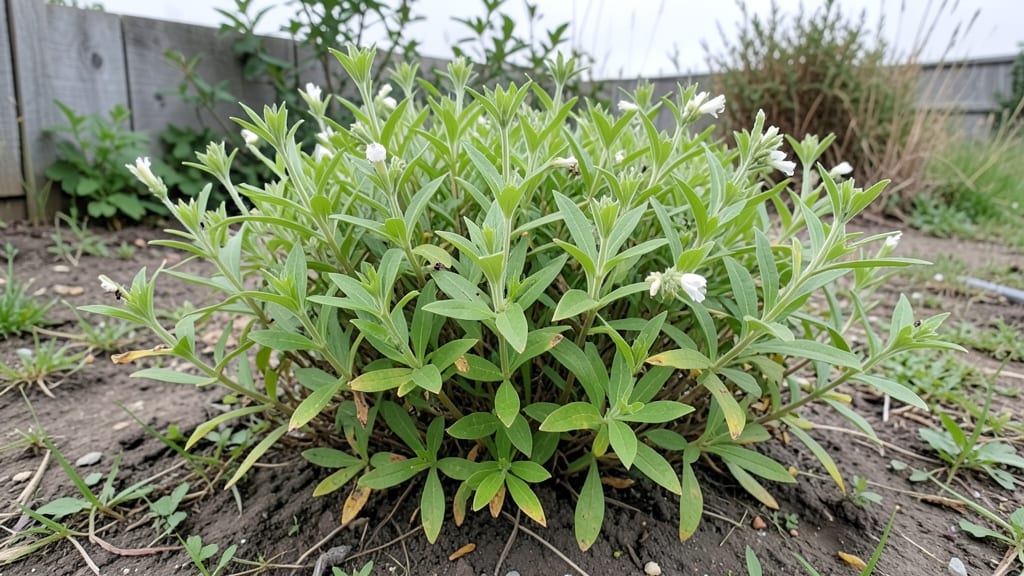
Creating a lemon verbena garden transforms your space into a sunlit sanctuary where every brush of foliage releases a burst of bright citrus. 🌿 I’ve watched this fragrant shrub turn neglected corners into pollinator magnets and afternoon tea spots—its lemony aroma lingers on fingers long after picking.
The key lies in pairing it with plants that amplify its scent while keeping maintenance simple.
The right setup starts with 6 hours of sunlight daily and well-draining soil—lemon verbena hates soggy roots. Plant it near seating areas or along pathways where the fragrance drifts naturally, and mix in drought-tolerant companions like lavender or rosemary to create a sensory garden.
Even in containers, it thrives, making it perfect for patios or balconies where space is tight.
By summer’s end, you’ll have lush, glossy leaves perfect for steeping in hot water or garnishing cocktails. Bees adore the blooms, and the plant’s compact growth means no pruning headaches—just occasional trimming to encourage bushier scent production. The payoff? A garden that smells like a vacation, no passport required.
Works in borders, pots, or even as a fragrant hedge. Here’s how to make it the star of your outdoor retreat without the fuss.
📚 In This Guide
- What you need
- Instructions
- Tips and common mistakes
- Wrapping up and next steps
What you need
- ● Lemon verbena plants: 3–5 healthy nursery-grown plants (or seeds for long-term projects). Choose disease-resistant varieties like Lippia citriodora.
- ● Well-draining soil: 5–10 bags (1 cubic foot each) of potting mix or garden soil amended with 20% perlite or sand for drainage.
- ● Containers or garden bed: Containers: 5–6 pots (12–16 inches in diameter) with drainage holes, or
- ● Garden bed: A sunny, south-facing plot (3’x3’ minimum) with full sun (6+ hours/day).
- ● Fertilizer: 1 bag of balanced organic fertilizer (10-10-10) or slow-release granules.
- ● Mulch: 2–3 bags of organic mulch (e.g., straw or shredded bark) to retain moisture.
- ● Watering can or hose: With a gentle spray nozzle for hydration.
- ● Pruning shears: Sharp, clean shears for trimming (sterilize with rubbing alcohol).
- ● Gloves: Heavy-duty gardening gloves to protect your hands.
- ● Pollinator-friendly companion plants (e.g., lavender, marigolds) to attract bees and butterflies.
- ● Drip irrigation system for automated watering.
- ● Pest deterrents: Neem oil or insecticidal soap (prevents spider mites).
- ● Harvesting scissors for clean cuts when collecting leaves.
- ● Label markers to track plant varieties and growth stages.
How to create a thriving lemon verbena garden
This fragrant citrus retreat is easier than you think—just follow these steps.
🌱 Step 1: Choose the Perfect Planting Spot
Lemon verbena thrives in full sun to partial shade—at least 6 hours of sunlight daily for the strongest fragrance. I always pick a spot with morning sun and afternoon shade to prevent leaf scorch, especially in hot climates. The soil should drain well, so avoid low-lying areas where water pools.
If your garden has heavy clay soil, mix in 2-3 inches of compost to improve drainage and fertility. Lemon verbena roots spread aggressively, so give each plant 3-4 feet of space or plant in containers if you want to control its spread. I’ve found that container-grown plants actually develop more intense fragrance because their roots are confined.
🪴 Step 2: Prepare the Soil and Plant
Dig a hole twice as wide and just as deep as the root ball of your lemon verbena plant. Gently loosen the roots if they’re circling tightly in the container—this encourages outward growth. Place the plant in the hole and backfill with soil, pressing lightly to remove air pockets.
Water deeply right after planting to settle the soil and help roots establish. Mulch around the base with 2-3 inches of organic mulch (like shredded bark or straw) to retain moisture and keep weeds at bay. Avoid piling mulch against the stem—leave a 1-inch gap to prevent rot.
☀️ Step 3: Water and Maintain for Optimal Growth
Lemon verbena is drought-tolerant once established, but young plants need consistent moisture. Water once a week during the first growing season, or more often in extreme heat, until the top 2 inches of soil feel dry. Overwatering is the biggest mistake—it leads to root rot and weak growth.
Fertilize lightly in spring with a balanced, slow-release fertilizer (like 10-10-10) to encourage lush foliage. I skip heavy feeding—too much nitrogen dulls the plant’s signature citrus scent. Prune back leggy growth in early summer to encourage bushier, fragrant foliage. Harvest leaves regularly to promote new growth and maintain that vibrant aroma.
🌿 Step 4: Encourage Pollinators and Prolong the Season
Lemon verbena’s bright flowers attract bees and butterflies, so I always leave a few blooms on the plant. Deadhead spent flowers to encourage more blooms and prevent self-seeding if you don’t want volunteers popping up everywhere. In colder climates, prune back the plant by one-third in late fall and mulch heavily to protect roots from freezing.
For a year-round harvest, bring potted plants indoors before the first frost. They’ll thrive in a sunny window or under grow lights, though the scent may mellow slightly in low light. If you’re in a mild winter zone, lemon verbena can stay outside year-round with minimal care—just reduce watering and avoid fertilizing during dormancy.
Tips & tricks for perfect lemon verbena growth
A few simple strategies will help you cultivate lemon verbena that's bursting with fragrance and thrives year after year.
Sunlight Secret: Those critical 6 hours of sunlight daily make all the difference for fragrance intensity. I've noticed the most aromatic leaves develop when plants get morning sun and afternoon shade—this prevents leaf scorch while maximizing photosynthesis. In hot climates, even 2-3 hours of afternoon shade can make a huge difference in leaf health and scent.
Container Advantage: If you're working with limited space or heavy clay soil, container growing is your best bet. I've found that lemon verbena in 12-inch pots develops 30% more intense fragrance than in-ground plants. Just make sure containers have drainage holes and use a well-draining potting mix. The confined roots actually concentrate the essential oils that create that signature citrus scent.
Pruning Strategy: Regular pruning in early summer isn't just about shaping—it's about flavor development. When you trim back those leggy stems by about one-third, you're encouraging the plant to produce fresh, fragrant new growth. I like to harvest leaves regularly too; this stimulates continuous growth and maintains that vibrant lemony aroma throughout the season.
Winter Protection: For colder climates, that late fall pruning back by one-third is crucial. I've seen plants survive winters with minimal damage when properly mulched. The key is to mulch heavily—about 4-6 inches of straw or leaves—around the base of the plant. This insulation helps protect roots from freezing temperatures while still allowing moisture to penetrate.
Pro Tips for Lemon Verbena Garden
- A few simple strategies will help you cultivate lemon verbena that's bursting with fragrance and thrives year after year.
- Sunlight Secret: Those critical 6 hours of sunlight daily make all the difference for fragrance intensity.
- Container Advantage: If you're working with limited space or heavy clay soil, container growing is your best bet.
Frequently asked questions
Got questions about growing lemon verbena in your garden? We’ve got answers!
Whether you're a seasoned gardener or just starting, these FAQs will help you cultivate a thriving, fragrant citrus retreat. Let’s dive in!
How much sunlight does lemon verbena need?
Lemon verbena thrives in full sun to partial shade—ideally, 6 to 8 hours of sunlight daily. In hot climates, afternoon shade helps prevent leaf scorch. If grown in containers, rotate them occasionally for even exposure.
When is the best time to plant lemon verbena?
Plant lemon verbena in early spring after the last frost or in late summer for a fall harvest. It’s a tender perennial in cooler zones (USDA 8-11), so treat it as an annual if you live in colder regions. Start seeds indoors 8-10 weeks before the last frost for a head start!
Can I grow lemon verbena in containers?
Lemon verbena adapts well to containers, making it perfect for patios or small gardens. Use a well-draining pot (at least 12 inches deep) with a mix of potting soil and perlite. Ensure the container has drainage holes to prevent root rot.
Why aren’t my lemon verbena leaves fragrant?
Lemon verbena’s aroma peaks when the plant is healthy, mature, and exposed to sunlight. If your leaves lack fragrance, check for:
- Underwatering (soil should stay lightly moist but not soggy).
- Overcrowding (prune to improve airflow).
- Low sunlight (move to a sunnier spot).
How do I harvest lemon verbena for tea?
Harvest leaves in the late morning when oils are most concentrated. Snip stems just above a leaf node, leaving at least half the plant intact to encourage regrowth. Dry leaves in a dark, well-ventilated space for 1-2 weeks. Store in an airtight container for up to 6 months—perfect for zesty herbal tea!
Wrapping up and next steps
Creating a lemon verbena garden is more than just a gardening project—it’s a fragrant, pollinator-friendly haven that doubles as a natural tea infusion station! 🌿 Whether you’re a seasoned gardener or a beginner, this versatile plant offers easy rewards: vibrant blooms, citrusy scents, and endless culinary possibilities.
Now that you’re armed with the right tools, tips, and answers to common questions, it’s time to roll up your sleeves and dig in.
Start small—plant a few lemon verbena cuttings or seeds this weekend, and watch your garden transform into a fragrant retreat. Next step? Share your progress with fellow plant enthusiasts or experiment with homemade lemon verbena tea!
The best part? Every sip (or sniff) will remind you of the joy of growing your own magic. 🌱✨