Tools
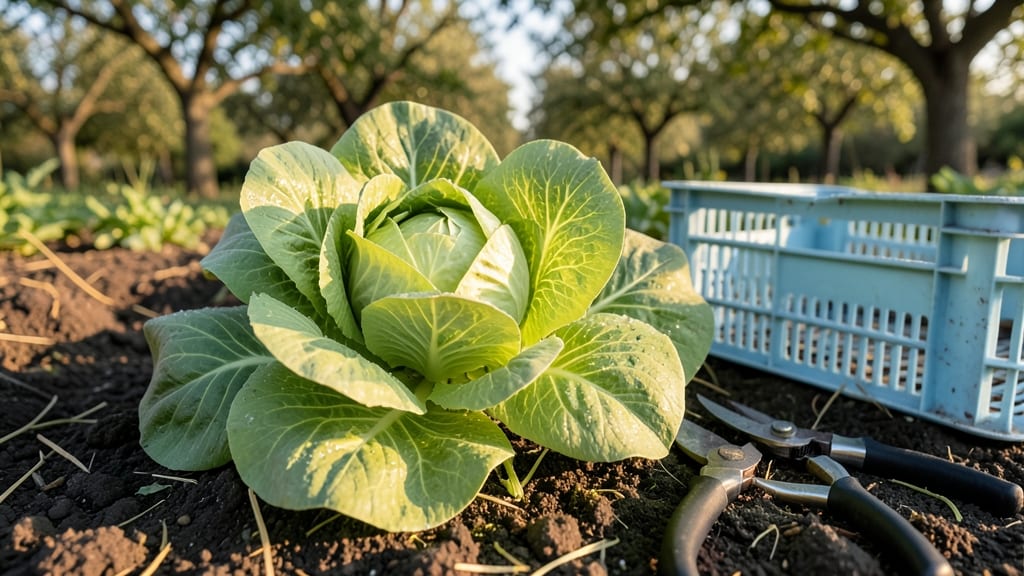
The best market gardening climate thrives in regions with mild winters, extended growing seasons, and steady rainfall—primarily USDA zones 5-9—while microclimates and crop-specific needs (like heat-loving tomatoes or cool-season greens) further optimize conditions for maximizing yields.
The ideal market gardening climate isn't just about broad zones—it's about matching your crops to microenvironments within those zones. For example, a heat-loving crop like peppers thrives in zone 9 with 120+ frost-free days, while cool-season crops like spinach prefer zone 5 with 60-80 frost-free days.
I've seen gardeners double their yields by creating shaded areas for lettuce or raised beds for early spring planting, proving that local adjustments matter just as much as the big-picture zone. Understanding these nuances lets you grow year-round, even in less-than-perfect conditions. 🌱
Beyond zones, factors like humidity and soil drainage play critical roles—too much moisture can stunt root crops, while dry spells stress leafy greens. That's why I always recommend testing your soil and monitoring weather patterns before committing to large-scale plantings.
The right climate setup turns a good garden into a high-performance one. ✨
💡 In This Article
- How Climate Zones Affect Market Gardening Success
- Crop-Specific Climate Strategies for High-Yield Gardens
How climate zones affect market gardening success
USDA hardiness zones map the average annual minimum temperatures, but for market gardening, the real game-changers are frost-free days and heat accumulation units. Zone 5, for instance, averages 120-150 frost-free days, while zone 9 can stretch to 240+ days.
This difference lets zone 9 growers plant tomatoes twice—once in early spring and again in fall—while zone 5 gardeners might only get one 60-day variety per season. The science here is about growing degree days (GDD), which measure how much heat plants accumulate.
Tomatoes need 1,200-1,500 GDD to ripen, so zone 5 gardens often rely on cold-hardy varieties like 'Stupice' or 'Glacier' that tolerate cooler nights.
Elevation adds another layer—every 1,000 feet up reduces temperatures by about 3-5°F, creating microclimates where high-desert gardens (like those in Colorado) might mimic zone 4 conditions even if officially classified as zone 5.
Humidity matters too: In high-humidity zones (like the Southeast), fungal diseases like powdery mildew thrive, forcing gardeners to space plants wider and use fungicides. Meanwhile, arid zones (like the Southwest) demand drought-tolerant crops such as okra or amaranth, which can survive with half the water of lettuce.
Wind patterns also shift planting—coastal gardens often face salt spray that stunts growth, while inland areas might experience hot, drying winds that require windbreaks.
Here's what this means for your planting schedule: In zone 7, you can direct-sow beans in early April but must protect tender greens like basil until late May when soil temps hit 60°F.
Meanwhile, in zone 9, you might overwinter kale under row covers and plant summer squash in February. The key is matching crop sensitivity to your local last frost date and first frost date—tools like the National Oceanic and Atmospheric Administration (NOAA) frost maps help pinpoint these windows.
What most gardeners overlook is how soil temperature (not air temperature) triggers germination—seed packets often list both air and soil requirements, like 55°F for peas vs. 70°F for cucumbers.
Advanced gardeners use these climate quirks to their advantage. For example, high tunnels in zone 5 can extend the season by 4-6 weeks by trapping heat, while drip irrigation in zone 9 conserves water during 100°F+ days when evapotranspiration rates soar.
Even within a zone, a north-facing slope stays cooler than a south-facing one—perfect for shade-loving crops like Swiss chard. The data shows that zone 7 gardens average 30% higher yields for heat-sensitive crops when they use these microclimate strategies compared to those who plant uniformly.
Don't forget about rainfall patterns: 12-16 inches annually is the sweet spot for most vegetables, but drought-tolerant crops like sweet potatoes thrive with as little as 8 inches. In high-rainfall areas (like the Pacific Northwest)**, gardeners must prioritize well-drained soils to prevent root rot in carrots or onions.
The interplay between climate and crop choice is why successful market gardeners treat their land like a puzzle—each piece (zone, elevation, humidity) fits together to create the perfect growing environment. 💫
Pro tip: Use climate zone calculators (like the one from the USDA Plant Hardiness Zone Map) to overlay your property's specifics.
Plugging in your elevation, nearby water bodies, and local wind patterns reveals hidden opportunities—like planting blackberries on a warm south-facing wall in zone 6 when the main garden might be too cold.
The best market gardens aren't just about the zone; they're about working with the climate's idiosyncrasies to turn challenges into advantages. ✨