
Tools
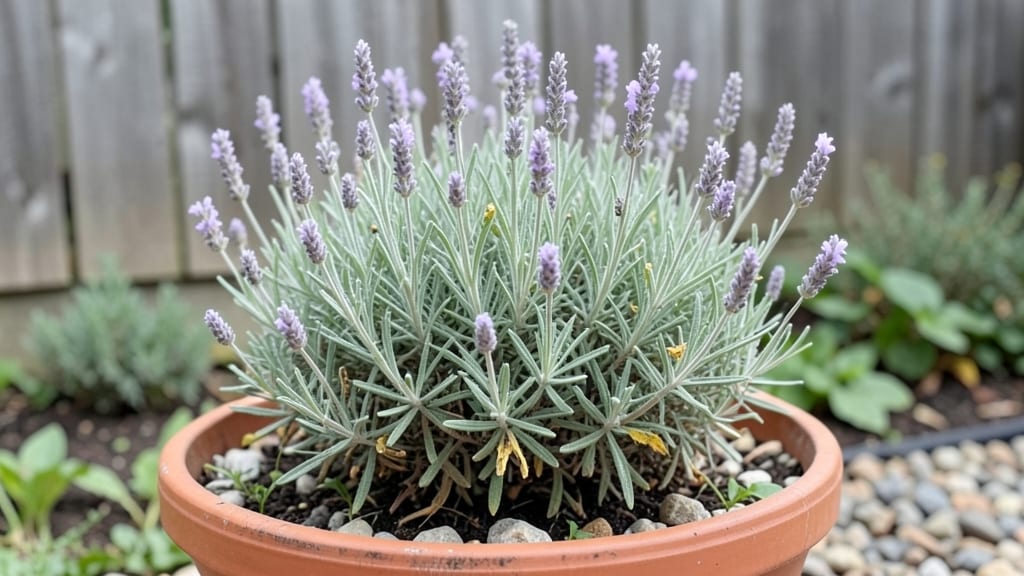
A Mediterranean style garden begins with sun-drenched stone and the scent of rosemary wafting through warm afternoons. I built mine after years of struggling with high-maintenance landscapes—this design thrives on drought, minimal fuss, and the kind of beauty that feels like a vacation every time you walk through it.
The key isn’t perfection; it’s creating a space that smells like lavender and looks like it’s been there for centuries, even if it’s brand new.
Start with drought-tolerant plants like olive trees, lavender, and thyme—they’re the backbone of this style. Pair them with terracotta pots and rough-hewn stone paths to channel that rustic charm, and don’t skip the pergola or arbors for climbing jasmine or bougainvillea.
The color palette is simple: sandy beige, dusty blue, and crisp white, with pops of sage green from herbs. Even in small spaces, these elements work—my balcony garden proves it.
What you’ll end up with is a garden that feels like an escape, not a chore. Imagine sunken seating areas shaded by citrus trees, the sound of a small fountain (or even a simple spout) adding movement, and every step crunching on gravel that stays cool underfoot.
The best part? Once established, it asks for almost nothing—just occasional pruning and watering when the heat peaks. That’s the Mediterranean magic: effortless elegance.
This style works best in zones 7-10, but with the right plant swaps (like olive trees for magnolias in cooler climates), you can adapt it almost anywhere.
The goal isn’t to copy a Tuscan villa—it’s to steal the spirit of sun, stone, and scent. Ready to turn your yard into a sunlit retreat?
📚 In This Guide
- What you need
- Instructions
- Tips and common mistakes
- Wrapping up and next steps
What you need
- ● Plants & Herbs: Olive trees (1–3, depending on space)
- ● Lavender (5–10 plants for fragrance)
- ● Rosemary (3–5 bushes)
- ● Thyme, oregano, and basil (1–2 plants each)
- ● Citrus trees (lemon or orange, 1–2)
- ● Grapes (vining variety, 1–2 plants)
- ● Drought-tolerant succulents (e.g., sedum, 5–10)
- ● Terracotta pots (various sizes, 6–12)
- ● Hardscaping: Pebble or gravel (50–100 lbs, 1/2"–1" size)
- ● Flagstone or travertine tiles (10–20 sq. ft., 1"–2" thick)
- ● Wrought iron or wood trellises (1–2, for vines)
- ● Outdoor rugs (1–2, weather-resistant)
- ● Wooden benches or stone seating (1–2)
- ● Decor: Terracotta pots (mismatched for charm, 4–8)
- ● Wrought iron lanterns (2–4)
- ● Olive wood accents (e.g., bowls, tables)
- ● String lights (solar-powered or battery-operated)
- ● Gardening gloves (1–2 pairs)
- ● Hand trowel (1)
- ● Pruning shears (1)
- ● Wheelbarrow (1, for hauling materials)
- ● Level (1, for tiling or laying stone)
- ● Shovel (1)
- ● Hose with adjustable nozzle (1)
- ● Mulch (straw or wood chips, 1–2 bags)
- ● Outdoor fountain or small pool (for serene ambiance)
- ● Perennial herbs (e.g., sage, marjoram)
- ● Climbing roses (for added color)
- ● Wind chimes (for Mediterranean flair)
- ● Shade sail or pergola (for partial sun protection)
Instructions for designing a Mediterranean style garden
Here’s how to create a sun-drenched, fragrant garden that feels like a vacation every day.
Plan Your Layout Around Sun and Focal Points
Start by mapping your space with full sun in mind—most Mediterranean plants thrive with 6-8 hours of direct sunlight daily. I sketch a simple layout, placing the largest elements first: olive trees, cypress, or a stone fountain as your centerpiece. These anchor the design and create natural shade for smaller plants later.
Use gravel paths (about 2-3 feet wide) to wind through the garden, mimicking the rustic charm of Mediterranean villages. These paths should meander, not be straight—it invites exploration and breaks up the space naturally. Mark the paths with string and stakes before digging, so you don’t disturb roots later.
Layer Plants for Texture and Height
Begin with tall, structural plants like olive trees or rosemary bushes (plant them 8-10 feet apart for mature size). These become the "backbone" of your garden, providing height and year-round interest. Next, add mid-height plants like lavender, thyme, or dwarf citrus (space these 3-4 feet apart) to fill the middle layer.
Finish with low-growing ground covers such as creeping thyme or sedum, which spill over edges and suppress weeds. These should be planted 6-12 inches apart, depending on the variety. I like to group plants with similar water needs together—this makes maintenance easier and keeps the garden looking intentional.
Incorporate Stone and Terracotta for Authentic Flair
Scatter rustic stone—think slabs, pebbles, or even broken pottery—around plants to mimic the Mediterranean landscape. Use larger stones as seating or to create raised beds for herbs. Terracotta pots (unglazed, for breathability) should be clustered in groups of three or five for a cohesive look. Place them at varying heights—some on the ground, others on stone pedestals—to add dimension.
Don’t overlook vertical space. Train climbing roses or jasmine up wrought-iron trellises or along fences. These add romance and draw the eye upward, just like in a Tuscan courtyard. Keep the trellises 3-4 feet from the wall to allow airflow and prevent disease.
Add Fragrance and Function with Herbs and Citrus
Plant herbs in clusters near the kitchen or seating areas—rosemary, oregano, and thyme thrive in well-draining soil and full sun. Space them 12-18 inches apart so they don’t compete for nutrients. I like to interplant herbs with low-growing flowers like marigolds or alyssum—they attract pollinators and add pops of color without overwhelming the herbs.
Include dwarf citrus trees (like Meyer lemons or calamondins) in containers or the ground if your climate allows. These need protected winters (below 20°F) but reward you with fragrant blossoms and fruit. Place them near a sunny wall or patio where you can enjoy their scent and harvest easily.
Finish With Mulch and Maintenance Tips
Cover the soil with 3-4 inches of gravel or coarse sand to suppress weeds and retain moisture—this is key in Mediterranean gardens where drought is common. Avoid organic mulch like wood chips, as it retains too much moisture and can rot plants. Water deeply 2-3 times per week (more in summer) but let the soil dry out between waterings to encourage deep root growth.
Prune herbs regularly to keep them bushy and prevent woody stems. For olive trees, trim in late winter to shape the canopy and remove dead wood. I also deadhead spent flowers on lavender and rosemary to encourage more blooms. A monthly check for pests (like aphids) keeps the garden healthy without overworking you.
Tips & tricks for designing a Mediterranean style garden
Creating a Mediterranean garden that thrives requires attention to detail—especially when it comes to sunlight, spacing, and plant selection. Here are some essential tips to help you avoid common mistakes and create a space that feels like a sun-drenched retreat.
Sunlight Strategy: The 6-8 hours of direct sunlight mentioned in Step 1 is non-negotiable for Mediterranean plants. If your space gets less sun, opt for drought-tolerant varieties like lavender or rosemary, which can handle slightly shadier conditions. I’ve found that even a few hours less sunlight can cause herbs like thyme to become leggy and less flavorful. Consider placing taller plants on the north side of the garden to provide afternoon shade for more delicate species.
Plant Spacing Precision: The spacing guidelines in Step 2—8-10 feet for olive trees, 3-4 feet for mid-height plants, and 6-12 inches for ground covers—are designed to prevent overcrowding as plants mature. I recommend using a tape measure or string to mark planting spots before digging. For example, if you’re planting rosemary bushes 8 feet apart, lay out a string with knots at each interval to ensure even spacing. This step saves you from having to thin out plants later, which can be stressful for established roots.
Terracotta Pot Placement: When clustering terracotta pots in groups of three or five, as suggested in Step 3, think about both aesthetics and function. Place taller pots toward the back and shorter ones in front to create visual depth. Also, avoid placing pots directly on soil—use stone pedestals or elevated planters to improve drainage and prevent moisture buildup at the base. This small detail can extend the life of your pots and keep your plants healthier.
Winter Protection for Citrus: The mention of protecting dwarf citrus trees below 20°F in Step 4 is crucial, especially if you live in a colder climate. I’ve learned the hard way that even hardy citrus varieties can suffer damage if left exposed. Use a thick layer of mulch around the base of the tree and consider wrapping the pot or trunk with burlap for added insulation. If you’re planting in the ground, choose a sheltered spot near a sunny wall, as this can provide a few extra degrees of warmth during cold snaps.
Pro Tips for Mediterranean Style Garden
- Creating a Mediterranean garden that thrives requires attention to detail—especially when it comes to sunlight, spacing, and plant selection.
- Sunlight Strategy: The 6-8 hours of direct sunlight mentioned in Step 1 is non-negotiable for Mediterranean plants.
- Plant Spacing Precision: The spacing guidelines in Step 2—8-10 feet for olive trees, 3-4 feet for mid-height plants, and 6-12 inches for ground covers—are designed to prevent overcrowding as plants mature.
Frequently asked questions
Got questions about creating your own Mediterranean-style garden? You’re not alone! Here are some of the most common queries—and straightforward answers—to help you get started with confidence.
What are the essential plants for a Mediterranean garden?
A true Mediterranean garden thrives with drought-tolerant, sun-loving plants like olive trees, lavender, rosemary, thyme, sage, and bougainvillea. For structure, add citrus trees (like lemon or orange) and pomegranates. Native grasses like Stipa tenacissima (Spanish grass) add texture without extra water.
How long does it take to establish a Mediterranean garden?
With proper planning, you’ll see results in 1–2 seasons. Perennials like lavender and rosemary establish quickly, while olive trees and citrus take 3–5 years to mature. Mulching and consistent (but minimal) watering in the first year speed up root growth. Patience pays off—once established, these plants need little care!
How often should I water a Mediterranean garden?
Water deeply but infrequently: 1–2 times per week in the first year, then taper to every 2–3 weeks once roots are established. Drip irrigation or soaker hoses work best to mimic natural rainfall. Avoid overhead watering—it encourages fungal diseases. Morning watering is ideal to reduce evaporation.
Can I create a Mediterranean garden in a small space or container?
Use terracotta pots, hanging baskets, or vertical planters for herbs like basil, oregano, and thyme. Dwarf citrus trees (like Calamondin) and mini olive trees thrive in large containers. Even a sunny balcony or patio can host a fragrant, low-maintenance Mediterranean oasis with the right plant choices.
What pests should I watch for in a Mediterranean garden?
Common pests include aphids, whiteflies, and snails. Encourage natural predators like ladybugs and lizards by adding a small water source. For stubborn infestations, use neem oil or insecticidal soap. Prune regularly to improve airflow and prevent fungal issues like powdery mildew.
How can I add color without high-maintenance flowers?
Swap traditional flowers for drought-resistant bloomers like salvias, ice plants (Delosperma), or poppies. Lantana and verbena offer vibrant hues with minimal water. For year-round interest, mix evergreens like rosemary and lavender with seasonal blooms. Gravel mulch also adds texture and color while suppressing weeds.
Wrapping up and next steps
A Mediterranean-style garden isn’t just a backyard—it’s a sun-drenched sanctuary where every element, from fragrant herbs to rustic olive trees, tells a story of warmth and simplicity. 🌿 By blending natural materials, drought-resistant plants, and timeless design, you’ve created a space that’s both functional and breathtakingly beautiful.
Whether you’re sipping coffee under a pergola or harvesting fresh rosemary for dinner, this garden invites relaxation and connection to nature.
Ready to bring your vision to life? Start small—plant a few herbs in pots, sketch a layout, or research local climate-friendly plants. Your sunlit retreat awaits! 🌞