
Tools
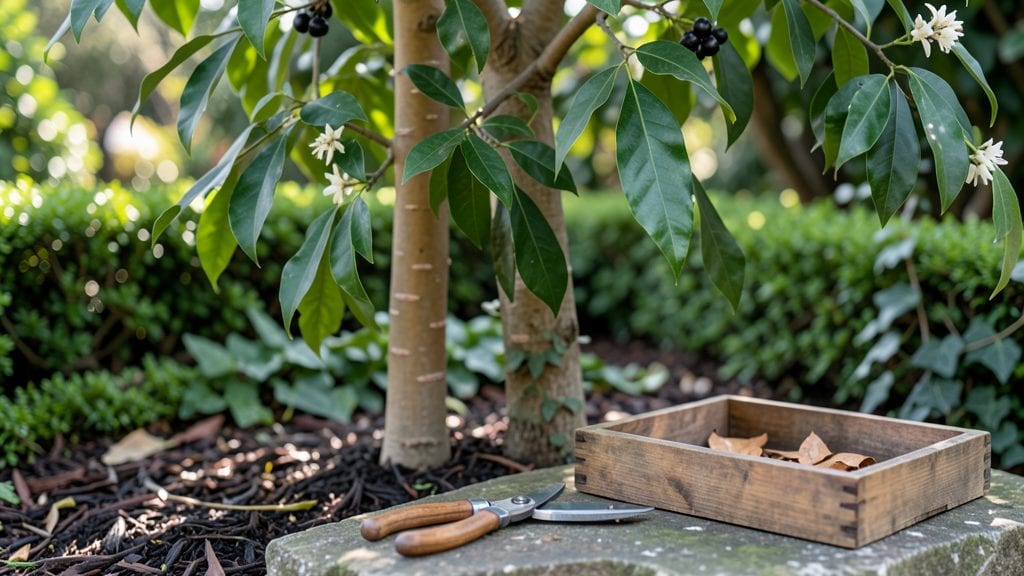
Growing cinnamon in your garden means waking up to the smell of warm spice every morning. 🌿 I planted my first cinnamon tree last spring, and now I’m harvesting fresh leaves for mulch, pest control, and even homemade remedies—no grocery store needed.
The real magic? This tropical plant thrives in containers or small spaces, making it perfect for urban gardeners or anyone short on yard room.
The key to success is mimicking its natural habitat: bright, indirect light, high humidity, and well-draining soil. I use a mix of potting soil and perlite to keep roots happy, and my tree gets a weekly misting to replicate its rainforest home.
Even in cooler climates, you can grow it indoors near a sunny window or under grow lights—just avoid drafts that shock the leaves.
Beyond the fragrant leaves, cinnamon is a powerhouse in the garden. Crushed leaves deter slugs, deter fungal diseases like powdery mildew, and even improve soil structure when used as mulch.
My tomato plants stayed healthier all season after I sprinkled cinnamon around their bases—it’s like having a natural, all-purpose garden helper.
Start with a young tree or seeds (though they’re slow to germinate), and within a year, you’ll have a lush, aromatic plant that works as hard as it smells.
The best part? You’ll never need to buy cinnamon again—just pinch a few leaves for cooking or garden care whenever you need them.
📚 In This Guide
- What you need
- Instructions
- Tips and common mistakes
- Wrapping up and next steps
What you need
- ● Cinnamon Seeds or Saplings: 1–3 Cinnamomum verum seeds (slow to germinate; consider nursery-bought saplings for faster results) OR
- ● 1–2 potted Cinnamomum camphora (camphor tree) or Cinnamomum burmannii saplings (hardier for colder climates).
- ● Potting Soil: 5–10 gallons of well-draining, slightly acidic soil (pH 5.0–6.5). Mix with:
- ● 1 part peat moss or coco coir (for moisture retention)
- ● 1 part perlite or coarse sand (for aeration)
- ● Containers: 2–3 large pots (12–18 inches deep) with drainage holes OR
- ● 1 raised garden bed (minimum 12" deep) in warm climates (Zones 9–11).
- ● Tools: Trowel or small shovel
- ○ Garden gloves (optional but recommended)
- ● Spray bottle (for misting seedlings)
- ● Pruning shears (for shaping and harvesting)
- ● Climate Zones: True cinnamon (Cinnamomum verum) thrives in Zones 10–12. For cooler zones (7–9), opt for Cinnamomum camphora or grow in containers and overwinter indoors.
- ● Sunlight: Partial shade to full sun (6+ hours/day). Avoid harsh afternoon sun in hot climates.
- ● Watering: Keep soil consistently moist but not soggy (especially for seedlings). Mature plants tolerate slight drought.
- ● Fertilizer: Balanced 10-10-10 fertilizer (apply every 4–6 weeks during growing season)
- ● Compost or worm castings (for organic enrichment)
- ● Mulch (straw or wood chips) to retain moisture and suppress weeds.
- ● Humidity tray or indoor grow lights (for seedlings in cooler climates).
- ● Cinnamon bark or leaves (to start with cuttings if propagating).
- ● pH testing kit (to monitor soil acidity).
Step-by-Step guide to growing cinnamon plants for year-round harvest
Here's how I grow fragrant cinnamon plants—no green thumb required, just patience and a sunny spot.
🌱 Step 1: Start Seeds Indoors for Strong Starts
Cinnamon seeds need warmth to germinate, so I begin indoors 8-10 weeks before the last frost. Fill 4-inch pots with the seed-starting mix (moisten it first so it’s damp but not soggy). Plant 2 seeds per pot just ¼ inch deep—any deeper and they’ll struggle to break through.
Cover the pots with plastic wrap to trap humidity, then place them in a warm spot (75-80°F). A seedling heat mat helps if your home runs cooler. Check daily for moisture—mist lightly if the soil feels dry to the touch. Germination takes 14-21 days, so don’t give up if nothing happens in the first week.
☀️ Step 2: Provide Bright, Indirect Light for Seedlings
Once sprouts appear, remove the plastic wrap and move pots to a south-facing window or under grow lights for 12-14 hours daily. Cinnamon seedlings need bright light to avoid leggy growth—those stretched, pale stems mean your plants are starving for sunlight.
Rotate the pots quarter-turn weekly so they grow straight. If leaves touch the glass, it’s too close—move them back 6 inches. You’ll know they’re happy when new leaves emerge deep green and compact, not stretched apart.
🪴 Step 3: Transplant Outdoors After Frost
Wait until nighttime temperatures stay above 50°F before moving cinnamon outside. Harden off seedlings by placing them outdoors in partial shade for 2 hours daily, gradually increasing time over 7-10 days. This toughens them up for full sun.
Choose a spot with morning sun and afternoon shade—cinnamon tolerates heat but can scorch in intense afternoon rays. Dig holes twice as wide as the pots and mix in 1 cup compost per plant. Space them 3 feet apart to allow airflow and prevent fungal issues.
💧 Step 4: Water and Fertilize for Fragrant Growth
Water deeply once a week, letting the top 2 inches of soil dry out between waterings. Cinnamon plants hate soggy roots, so ensure pots or garden beds have drainage holes. Mulch with 2 inches of shredded bark to retain moisture and keep roots cool.
Feed plants every 6 weeks with balanced fertilizer (10-10-10) during the growing season. Stop fertilizing in fall and winter—cinnamon grows slower then but still needs minimal care. Prune leggy stems in early spring to encourage bushier growth.
✂️ Step 5: Harvest Leaves Year-Round
Cinnamon leaves release their fragrance when brushed or crushed. Snip young, tender leaves in early morning when oils are most concentrated. Use clean scissors to avoid tearing stems. You’ll get 4-6 harvests per year from one plant if you prune regularly.
Dry leaves on a screen or rack in a shady, well-ventilated spot for 2-3 weeks. Store in an airtight jar away from light. For fresh use, keep plants indoors in bright light during winter—they’ll keep producing fragrant foliage even in colder months.
Tips & tricks for perfect cinnamon plant growth
Here's what I learned after growing cinnamon plants for years—these little tricks make all the difference between fragrant success and frustrating failures.
Temperature Matters: The 75-80°F range for germination is non-negotiable—cinnamon seeds need that warmth to break dormancy. If your home runs cooler, place pots on a seedling heat mat or near a sunny window with a clear plastic dome. I've seen germination drop by 50% when temps fall below 70°F.
The Light Factor: In Step 2, those 12-14 hours of daily light are crucial for preventing leggy seedlings. If your south-facing window isn't bright enough, supplement with a simple LED grow light just 6 inches above the plants. I learned this the hard way when my seedlings stretched toward the window like sunflowers—now I always check light intensity by seeing if leaves are dark green and compact.
Transplant Timing Secret: When hardening off in Step 3, start with just 2 hours in partial shade—this gradual approach prevents shock. I once rushed the process and lost half my seedlings to transplant shock. Watch for crispy edges or wilting as warning signs to slow down the transition.
Harvest Strategy: For maximum fragrance, always harvest young leaves in early morning when essential oils are most concentrated. Use clean, sharp scissors to avoid damaging stems, and never take more than one-third of the plant at a time. I've found that regular pruning actually increases overall yield by encouraging bushier growth.
Pro Tips for Cinnamon In Garden
- Here's what I learned after growing cinnamon plants for years—these little tricks make all the difference between fragrant success and frustrating failures.
- Temperature Matters: The 75-80°F range for germination is non-negotiable—cinnamon seeds need that warmth to break dormancy.
- The Light Factor: In Step 2, those 12-14 hours of daily light are crucial for preventing leggy seedlings.
Frequently asked questions
about growing cinnamon in your garden—because even the best gardeners need a little guidance! Here are answers to the most common questions to help you cultivate fragrant success.Can I grow cinnamon in pots or containers?
Cinnamon trees thrive in containers if you choose the right variety (like Cinnamomum verum or Cinnamomum camphora). Use a large pot (at least 12 inches deep) with well-draining soil and ensure it gets partial shade. Just keep an eye on watering—containers dry out faster than garden beds.
How long does it take for a cinnamon tree to produce leaves for harvest?
Patience is key! Seed-grown cinnamon trees may take 3–5 years to mature enough for leaf harvest. Grafted trees (like those from nurseries) can produce usable leaves in 1–2 years. Prune lightly to encourage bushier growth and more abundant foliage.
What’s the best time to plant cinnamon seeds or seedlings?
Plant seeds or seedlings in spring or early summer when temperatures are warm (above 60°F/15°C). If starting from seeds, soak them overnight to soften the hard outer shell. Seedlings prefer partial shade, so avoid full sun until they’re established (about 6–12 months).
Why aren’t my cinnamon leaves fragrant?
Several factors can dull the aroma:
- Age: Young leaves lack the full scent—wait until the tree is mature.
- Sunlight: Too much direct sun can reduce fragrance; aim for morning sun + afternoon shade.
- Soil: Poor drainage or nutrient deficiencies (like nitrogen) weaken scent. Amend soil with compost and mulch.
- Harvesting: Pick leaves in the morning when oils are most concentrated.
Are there cinnamon alternatives if I can’t grow true cinnamon?
If Cinnamomum verum (true cinnamon) is tricky, try these fragrant, easy-to-grow alternatives:
- Cassia (Cinnamomum cassia): Hardier, faster-growing, and widely available. Leaves are less aromatic but still useful for cooking.
- Laurel (Laurus nobilis): Not a true cinnamon, but its leaves add a warm, earthy note to dishes.
- Avocado (Persea americana): Leaves have a mild cinnamon-like scent and are drought-tolerant.
Can I use cinnamon leaves directly in cooking from the garden?
Yes! Fresh cinnamon leaves are 10x more potent than ground spice. Use them in:
- Tea blends (1–2 crushed leaves per cup).
- Curries, chutneys, or tagines (add 1–2 leaves while cooking).
- Baked goods (like cinnamon rolls—simmer leaves in syrup for flavor).
Pro tip: Freeze leaves in ice cube trays with water for easy measuring later!
Wrapping up and next steps
Growing cinnamon in your garden isn’t just about adding warmth to your space—it’s a rewarding journey from seed to fragrant leaves! Whether you’re drawn to its culinary uses, aromatherapy benefits, or simply the joy of nurturing a unique plant, cinnamon thrives with patience and care.
Start small, experiment with propagation, and soon you’ll be harvesting your own spice and enjoying its beauty year-round.
Ready to take the next step? Plant your first cinnamon seed or cutting this season! Share your progress with fellow gardeners, and don’t forget to tag us—we’d love to see your fragrant success! 🌱✨