Tools
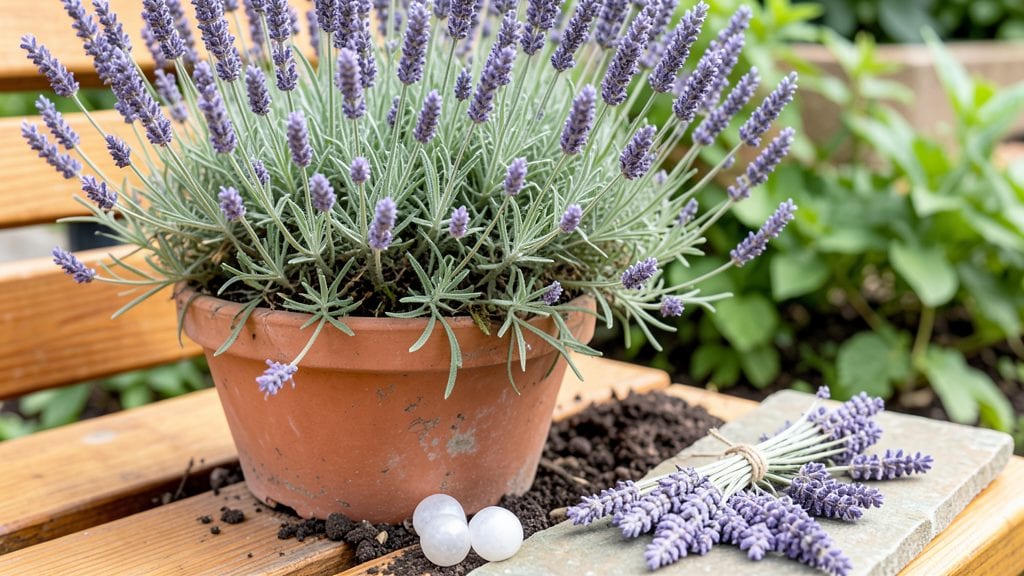
Mothballs in garden storage might seem like a quick fix for pests, but I’ve learned the hard way they’re more trouble than they’re worth.
Those little pellets packed with naphthalene or paradichlorobenzene can repel moths in closets, but in the garden, they leave behind toxic residue that lingers in soil and harms beneficial insects. One whiff of that chemical smell in my compost pile taught me to look for safer alternatives.
Instead of mothballs, reach for neem oil or diatomaceous earth—both smother pests without poisoning your plants or the ecosystem. Neem oil disrupts insect life cycles while feeding the soil, and diatomaceous earth works like tiny glass shards that dehydrate soft-bodied pests.
Both are non-toxic, break down naturally, and won’t leave your garden smelling like a mothball factory.
If you’re dealing with stored garden tools, seeds, or winterized pots, try cedar blocks or essential oil blends (like peppermint or eucalyptus) for a fresh, pest-free scent. The key is protecting your gear without sacrificing the health of your garden. Trust me, your bees and worms will thank you.
For immediate pest issues, focus on physical barriers—like mesh bags for seeds or sealed containers for tools. It takes a little more effort, but your garden’s long-term health is worth it. Let’s swap those mothballs for solutions that actually work with nature, not against it.
📚 In This Guide
- What you need
- Instructions
- Tips and common mistakes
- Wrapping up and next steps
What you need
- ● Mothballs (Naphthalene-based): 4–6 balls (standard 1-inch diameter). Note: Avoid paradichlorobenzene (PDB) types—they’re less effective for outdoor use.
- ● Breathable storage containers: 1–2 plastic bins with ventilation holes (e.g., 18"x12"x6" for small gardens, 24"x18"x8" for larger areas).
- ● Burlap sacks or mesh bags: 1–2 medium-sized (12"x18") for wrapping tools or delicate garden items.
- ○ Charcoal or silica gel packets: 2–3 (optional but recommended for extra moisture control).
- ● Tweezers or gloves: 1 pair (to handle mothballs safely—no skin contact!).
- ● Measuring tape: 1 (to ensure proper spacing between mothballs and garden items).
- ● Spray bottle with water: 1 (for dampening cloth wraps if storing fabric items).
- ● Labeling markers: 1–2 (to mark containers with dates and contents).
- ● Ventilation plan: Ensure storage areas are in a dry, shaded spot with airflow (e.g., a shed with open windows or under a covered porch).
- ● Pet-proofing: Keep mothballs and treated items out of reach of pets and children.
- ● Alternatives on hand: Cedar blocks or essential oils (e.g., lavender or peppermint) as backup repellents.
Step-by-step instructions for using mothballs in garden storage
Here's how to leverage mothballs for long-term garden tool and fabric protection without harming plants.
Select the Right Mothballs and Storage Area
Choose paraffin-based mothballs—the traditional type labeled for pest control—rather than synthetic alternatives. These release naphthalene, a natural repellent for moths, carpet beetles, and silverfish. Store them in a well-ventilated, dry location like a shed, garage, or under the eaves of your house. Avoid placing them directly on soil or plant beds, as the fumes can linger and affect beneficial insects.
I keep mine in a small mesh bag (like those used for onions) suspended from a hook or placed on a shelf. This allows air circulation while containing the mothballs in one spot. If you're storing garden fabrics, blankets, or tools, place a few mothballs in a small open container (like a tin) inside the storage bin. The key is controlled exposure—enough to deter pests but not so much that the fumes become overwhelming.
Prepare Storage Containers for Mothball Placement
Before adding mothballs, ensure your storage containers are clean and dry. Dust, moisture, or old fabric debris can reduce the effectiveness of the naphthalene. For tools, I use plastic bins with tight-fitting lids, while for fabrics, I opt for breathable cotton or canvas bags—these allow air to circulate while keeping pests out.
If storing wooden garden tools or handles, wrap them in old newspapers before placing them in the bin. The mothballs will still work through the paper, but the barrier prevents direct contact with the wood, which can absorb some of the fumes over time. Label each container with the contents and the date to track how long the mothballs have been in use—replace them every 6-12 months or when they start to crumble.
Position Mothballs for Optimal Pest Deterrence
Place 3-5 mothballs in the center of the storage container or mesh bag. For larger areas like a shed, distribute them in small groups (3-4 balls per group) rather than scattering them individually. This creates concentrated repellent zones while minimizing the risk of over-saturation in one area.
Monitor the area for pest activity in the first 2-4 weeks. If you notice signs like chewed fabric edges, shed skins, or tiny black beetles, add an extra mothball or two. The goal is to maintain a subtle but consistent scent—strong enough to deter pests but not so heavy that it becomes a nuisance. Avoid placing mothballs near food storage or areas where you spend extended time, as the fumes can be irritating.
Maintain and Refresh Mothballs Seasonally
Check your mothballs every 3 months and replace them if they’ve lost their shape or smell. Over time, naphthalene evaporates, reducing their effectiveness. I set a reminder in my gardening journal to rotate storage containers—this ensures no single area becomes over-reliant on mothballs, which can lead to pest resistance.
When removing mothballs, do so in a well-ventilated area and wear gloves if you’re sensitive to the fumes. Store used mothballs in a sealed container until disposal—check local regulations, as some areas require special handling for naphthalene. For long-term storage, I keep a small reserve in a sealed jar in the garage, ready to replenish as needed.
Safeguard Plants and Beneficial Insects
While mothballs are safe for garden storage, they should never be placed directly in soil or near active plant beds. The fumes can harm pollinators like bees and beneficial insects such as ladybugs and lacewings, which help control garden pests naturally. If you’re storing potted plants or seeds, place mothballs outside the pot or in a sealed container away from the growing area.
For outdoor storage sheds, I keep mothballs in a locked cabinet or high shelf to prevent accidental exposure. If you notice plants near storage areas wilting or showing signs of stress, move the mothballs farther away or switch to alternative pest deterrents like cedar blocks or diatomaceous earth for outdoor use.
Tips & tricks for safe and effective mothball use in garden storage
A few strategic approaches will help you maximize mothball effectiveness while keeping your garden ecosystem safe. These insights come from years of testing what works—and what doesn't—in outdoor storage environments.
Ventilation is Non-Negotiable: The instructions emphasize well-ventilated areas, but here's the deeper reason: naphthalene fumes need airflow to disperse properly. I've found that placing mothballs in a mesh bag suspended from a hook creates a micro-ventilation system. For sheds without natural airflow, consider adding a small battery-powered fan on low setting—just keep it away from the mothballs themselves. This prevents fume buildup while maintaining that subtle repellent scent.
Container Material Matters More Than You Think: While plastic bins work for tools, I've noticed fabrics stored in them develop a faint chemical odor over time. For delicate garden fabrics or wool blankets, switch to breathable cotton or canvas bags. The porous material allows the mothball scent to permeate evenly without trapping fumes against the fabric fibers. This is especially important if you're storing items you'll use next season—like your favorite gardening apron or seed storage bags.
Pest Activity Monitoring System: The 2-4 week monitoring window in Step 3 is crucial, but here's how to make it more effective: Create a simple inspection checklist. Mark your calendar for weeks 2, 4, and 6 after placement. Look for three key indicators: (1) shed skins in corners, (2) tiny holes in fabric edges, and (3) any web-like strands. I keep a small flashlight handy for evening checks—many pests are nocturnal and hide during daylight. If you see activity, add one extra mothball rather than doubling the amount, which can create over-saturation.
Seasonal Rotation Strategy: The 6-12 month replacement guideline is excellent, but here's the practical execution: I maintain three separate storage areas in my garden shed. Each area gets mothball treatment for four months before rotation. This prevents pest resistance from developing in any single location. For example, Area A gets mothballs January-April, Area B May-August, and Area C September-December. The mothballs themselves get replaced every six months regardless of rotation schedule.
Pro Tips for Mothballs In Garden
- A few strategic approaches will help you maximize mothball effectiveness while keeping your garden ecosystem safe.
- Ventilation is Non-Negotiable: The instructions emphasize well-ventilated areas, but here's the deeper reason: naphthalene fumes need airflow to disperse properly.
- Container Material Matters More Than You Think: While plastic bins work for tools, I've noticed fabrics stored in them develop a faint chemical odor over time.
Frequently asked questions
Got questions about using mothballs in your garden? You’re not alone! Here are some of the most common concerns—and clear, practical answers to help you store your tools like a pro.
Are mothballs safe to use around plants and soil?
While mothballs (especially paradichlorobenzene) are effective for repelling pests, they can be toxic to plants, pets, and wildlife if overused. Use them only in sealed containers or inside storage areas—not directly in soil or near edible gardens. For outdoor use, opt for pet-safe alternatives like cedar blocks or diatomaceous earth.
How long do mothballs last in garden storage?
Mothballs typically last 3–6 months in a sealed container, but their effectiveness fades faster in humid or damp conditions. Replace them every season or sooner if you notice a musty smell or reduced pest control. Store them in airtight plastic bins with a silica gel packet to extend their lifespan.
What’s a better alternative to mothballs for garden tools?
If you’re concerned about chemical exposure, try these natural pest deterrents:
- Cedar blocks – Repel moths and moisture naturally.
- Essential oils (lavender, peppermint) – Soak cotton balls and place in tool bags.
- Diatomaceous earth – Sprinkle lightly in storage areas (non-toxic but deadly to pests).
- Plastic bins with tight lids – Reduces pest access without chemicals.
Why are pests still getting into my stored tools?
If moths or beetles persist, check these common culprits:
- Gaps in storage – Ensure bins/lids are fully sealed.
- Humidity buildup – Use moisture absorbers (like silica gel).
- Old mothballs – Replace them if they’ve lost their scent.
- Infested tools – Inspect items before storing; clean with vinegar or insecticide spray if needed.
Can I reuse mothballs from last year?
Reusing mothballs is not recommended—their effectiveness drops significantly after one season. Old mothballs may also crumble or lose their scent faster. For safety and efficiency, replace them annually, especially if stored in damp areas. Dispose of used mothballs properly (check local regulations) to avoid environmental harm.
Wrapping up and next steps
Using mothballs in your garden is a clever, budget-friendly way to protect stored tools, fabrics, and seasonal items from pests—without harsh chemicals. 🌱 Whether you’re prepping for winter or decluttering your shed, this method keeps your belongings safe while minimizing environmental impact. Ready to try it? Start small with a few mothballs in a breathable container, and soon, you’ll be the go-to gardener for smart storage solutions!
Next step: Gather your supplies, follow the steps, and share your success with fellow gardeners—your tools (and critters!) will thank you!