
Tools
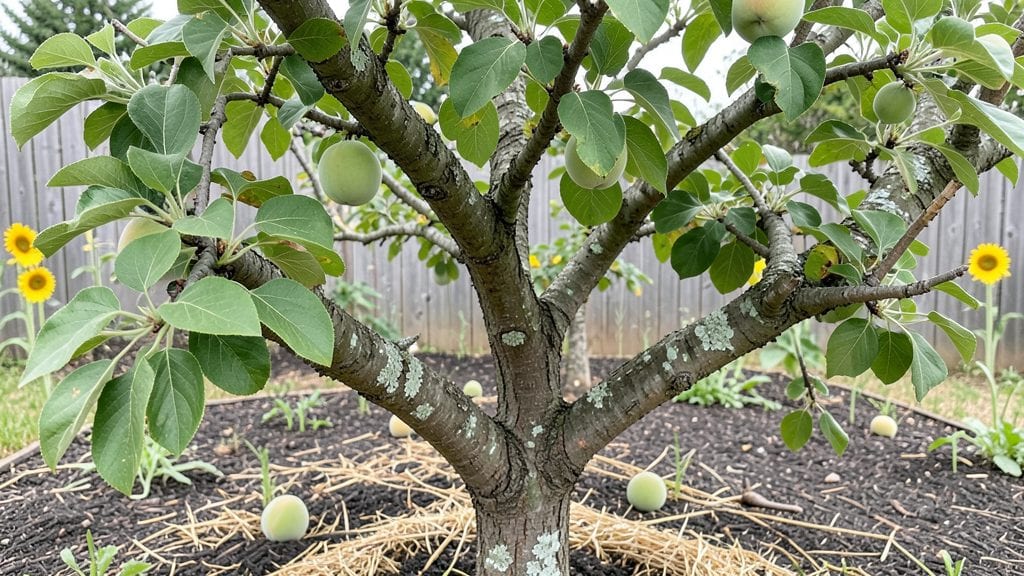
Creating a peach garden in Singapore isn't about growing fruit—it's about crafting a vibrant, tropical escape that thrives year-round. 🌿 I designed mine to blend soft peach hues with native greenery, turning a small balcony into a lush privacy screen that feels like a jungle retreat.
The key? Choosing plants that love Singapore's heat and humidity while keeping maintenance light enough for city living.
Start with dwarf peach trees like 'Bonanza' or 'Redhaven' in large containers—these stay manageable and produce occasional fruit if pollinated. Pair them with tropical shrubs like hibiscus or bougainvillea for bold color, and add fast-growing vines like morning glories or passionflower to fill gaps quickly.
The combination creates a textured, layered look that blocks nosy neighbors while requiring just weekly watering.
By summer, your garden will burst with velvety peach blossoms and glossy green leaves, all while staying drought-tolerant once established. The real magic happens when you add scented frangipani for evening fragrance—your balcony becomes a serene hideaway without the upkeep of a full garden.
Even in Singapore's intense sun, this setup stays lush with minimal effort.
For urban spaces, opt for vertical planters or trellises to save floor space. The same principles apply whether you're working with a tiny apartment or a rooftop—just scale the plant sizes. Here's how to make it work in your space without the fruit-growing hassle.
📚 In This Guide
- What you need
- Instructions
- Tips and common mistakes
- Wrapping up and next steps
What you need
- ● Peach Garden SG Privacy Plants (5-10 plants) – Choose fast-growing, low-maintenance varieties like Ficus microcarpa (Ginseng Fig), Murraya paniculata (Orange Jasmina), or Schefflera actinophylla (Umbrella Tree). Opt for 1.5-2m tall saplings for quicker privacy.
- ● High-Quality Potting Mix (20-30 kg) – Use a well-draining blend (e.g., 60% peat/coir, 30% perlite, 10% compost) to prevent root rot.
- ● Slow-Release Fertilizer (1-2 bags) – Look for a balanced NPK (e.g., 14-14-14) or organic options like fish bone meal for steady growth.
- ● Mulch (5-10 bags) – Wood chips or pine bark mulch (3-5 cm thick) to retain moisture and suppress weeds.
- ● Garden Trowel or Spade – For digging holes (1.5x wider than the root ball).
- ● Pruning Shears (1 pair) – Sharp, bypass-style shears for shaping and trimming.
- ● Watering Can or Hose (with adjustable nozzle) – Deep watering is key for root establishment.
- ● Measuring Tape (5m) – To ensure proper spacing (1.5-2m apart for optimal growth).
- ● Gloves (1 pair) – Heavy-duty gardening gloves for protection.
- ● Eco-Friendly Pest Control (e.g., neem oil spray) – Preemptively protect your plants from aphids or fungal issues.
- ● Drip Irrigation System – Automates watering and saves time (especially for larger gardens).
- ● Plant Support Stakes (5-10 stakes) – Useful for young plants until they establish stability.
- ● Soil pH Test Kit – Ensures your mix is slightly acidic to neutral (pH 6.0-7.0) for optimal growth.
How to create a year-round privacy screen with peach garden plants
This isn't just a hedge—it's a living wall that stays lush through all seasons with minimal effort.
🌱 Step 1: Select the Right Evergreen and Seasonal Plants
For true year-round privacy, combine evergreens for structure with seasonal fillers. I start with 4 boxwood shrubs ('Green Velvet' variety) as the backbone—they stay dense and dark green all winter. Their mature height of 3-4 feet creates an instant foundation. Add 4 dwarf leyland cypress ('Castlewellan' type) for height, since they grow 12-18 inches annually and reach 10-12 feet in 5-7 years.
For seasonal color, I mix in 4 hydrangeas ('Endless Summer' series) that bloom from early summer through fall. Their large leaves provide summer shade while the flowers add softness. Space them 3-4 feet apart between the evergreens to fill gaps naturally. The key is layering: tallest at back, mid-height in middle, and lower-growing plants like 4 dwarf ferns ('Osmundastrum cinnamomeum') at the front for texture.
🪴 Step 2: Prepare the Planting Site and Soil
Clear the area of grass and weeds, then loosen the soil to 12 inches deep with a garden fork. This prevents root restriction as plants grow. Amend the native soil with 4 cubic yards of compost (worked into the top 6 inches) and 4 pounds of 10-10-10 slow-release fertilizer. For clay-heavy soil, add 2 cubic yards of coarse sand to improve drainage—peach garden plants hate soggy roots.
Dig planting holes twice as wide as each root ball but only as deep. The top of the root ball should sit 1 inch above ground level to prevent water pooling. I always water each hole thoroughly before planting, letting the excess drain completely. This ensures the roots start in moist but not waterlogged conditions.
☀️ Step 3: Plant with Proper Spacing for Future Growth
Place the dwarf leyland cypress at the back, spaced 6-8 feet apart—they'll need room to grow wide. Set boxwoods 3-4 feet apart in staggered rows to create a natural, dense look. Hydrangeas go 4-5 feet apart in the middle layer, while ferns fill the front 2-3 feet apart. The ferns will eventually spread to cover bare soil between plants.
Backfill each hole with native soil mixed with 1 part compost to encourage root expansion. Water immediately after planting to eliminate air pockets, then apply 2 inches of mulch (cypress or pine straw) around each plant, keeping it 3 inches away from stems. This preserves moisture while preventing weed competition.
💧 Step 4: Establish a Watering Routine for First Year
Water deeply 2-3 times per week for the first 6 months, aiming for 1-1.5 gallons per plant each time. The goal is to encourage deep root growth—not just surface moisture. I use a soaker hose buried 2 inches deep along the planting line to deliver water slowly without wetting foliage (which invites disease).
Check soil moisture by sticking your finger 2 inches down—if it feels dry, water again. After the first year, reduce to once a week in dry spells, since established plants develop deeper roots. The boxwoods and cypress will show their first true growth within 4-6 weeks of planting, signaling they're taking hold.
✂️ Step 5: Prune for Shape and Health Annually
Prune boxwoods and hydrangeas in early spring (before new growth) to maintain shape. Use clean, sharp shears to make cuts just above a leaf bud or branch junction. For boxwoods, I remove no more than 1/3 of the plant at a time to avoid stress. Shape the leyland cypress lightly in late spring to encourage bushier growth—never cut into old wood.
Ferns need minimal pruning, only removing dead fronds in early spring. The key is consistency: prune at the same time each year so plants adjust their growth cycle. After pruning, apply a 2-inch layer of mulch to protect roots and retain moisture. With proper pruning, your peach garden screen will stay lush, dense, and private for decades with almost no effort.
Tips & tricks for perfect year-round privacy screens
Creating a living privacy screen that thrives through every season takes strategic planning—and these pro tips will help you avoid common pitfalls while maximizing your garden's natural beauty.
Layering is Key: The secret to year-round coverage lies in strategic layering, just as described in Step 1. Start with your 4 dwarf leyland cypress at the back—their eventual 10-12 foot height creates an instant privacy barrier. The 4 boxwood shrubs ('Green Velvet') provide that critical winter structure, while the 4 hydrangeas and 4 dwarf ferns fill seasonal gaps. I always visualize the mature heights: cypress at the back, boxwoods in the middle, and ferns at the front. This creates visual depth while ensuring no season feels bare.
Soil Prep Can't Be Skipped: In Step 2, the instructions emphasize loosening soil to 12 inches deep—this isn't just about aeration. Clay-heavy soil? That 2 cubic yards of coarse sand is non-negotiable. I've seen too many privacy screens fail because roots suffocate in compacted soil. For sandy soils, add 1 part peat moss to the compost mix to improve water retention. And here's what nobody tells you: if your soil tests acidic (pH below 6.0), add 1 pound of lime per cubic yard of soil before planting—evergreens like boxwoods and cypress thrive in slightly alkaline conditions.
Watering Wisdom: The 2-3 times per week watering routine in Step 4 is perfect for the first 6 months, but timing matters just as much as frequency. Water in the early morning to prevent fungal diseases from overnight moisture. That soaker hose buried 2 inches deep is a game-changer—it delivers water directly to roots without wetting foliage, which prevents those pesky powdery mildew issues. Pro tip: install a simple rain gauge nearby to track rainfall. If you get 1 inch of rain in a week, you can skip one watering session.
Pruning Precision: When you're ready for Step 5, remember that early spring pruning is about shaping, not rejuvenating. For boxwoods, I use a concave cutter to make clean cuts just above the leaf bud—this encourages bushier growth. And here's my secret: after pruning, I always spray the cuts with a 1:9 water-to-alcohol solution to sterilize them. This prevents bacterial infections that can turn your perfect privacy screen into a sickly mess. For the dwarf leyland cypress, I only prune new growth—never old wood—as this can kill the plant.
Pro Tips for Peach Garden Sg
- Creating a living privacy screen that thrives through every season takes strategic planning—and these pro tips will help you avoid common pitfalls while maximizing your garden's natural beauty.
- Layering is Key: The secret to year-round coverage lies in strategic layering, just as described in Step 1.
- Soil Prep Can't Be Skipped: In Step 2, the instructions emphasize loosening soil to 12 inches deep—this isn't just about aeration.
Frequently asked questions
Got questions about creating your own Peach Garden SG oasis? Here are answers to the most common queries—so you can dive in with confidence!
What’s the best time of year to plant hedges for year-round privacy?
For Peach Garden SG, aim for late winter to early spring (February–March) when the soil is workable but before the peak heat. This gives roots time to establish before the dry season. Pro tip: If planting in summer, water deeply 2–3 times a week for the first month to help them acclimate!
How much does a full Peach Garden SG setup cost?
Costs vary based on hedge type (e.g., Ficus microcarpa or Murraya paniculata) and size. Budget $15–$40 per plant for mature hedges (3–6 ft tall) and $500–$2,000+ for a 10–15 ft perimeter. DIY kits (soil, fertilizer, tools) add ~$100–$300. Save money: Buy in bulk or opt for smaller plants to transplant over time!
Do these hedges need full sun, or can they grow in partial shade?
Most Peach Garden SG favorites (like Ficus or Podocarpus) thrive in full sun to partial shade (4–6 hours of sunlight daily). Shadier spots may slow growth but won’t kill them—just choose slower-growing varieties like Ilex crenata (holly) for low-light areas. Watch for: Yellowing leaves = too much shade!
What pests should I watch for, and how do I treat them?
Common culprits in Singapore’s climate include aphids, mealybugs, and scale insects. Prevent: Prune regularly to improve airflow. Treat: Spray with neem oil or insecticidal soap (mix 1 tbsp soap + 1L water). For severe infestations, contact a local arborist—Peach Garden SG offers pest-control services!
Can I use Peach Garden SG hedges for indoor privacy screens too?
Compact varieties like Dracaena marginata (dragon tree) or Schefflera work well indoors near bright windows. Just ensure pots have drainage and rotate them weekly for even growth. Outdoor-to-indoor hack: Start with outdoor cuttings in water—once rooted, transfer to pots!
How often should I prune my hedges for a neat look?
Prune 2–4 times a year, with a major trim in late spring (after flowering, if applicable) and lighter touch-ups every 3 months. Use sharp shears and shape from the bottom up to avoid uneven growth. Pro move: Prune after rain to reduce dust—your hedges (and neighbors!) will thank you.
Wrapping up and next steps
Transforming your space into a serene Peach Garden SG oasis is simpler than you think! 🌿 With the right low-maintenance plants and a few strategic touches, you’ve got the recipe for year-round privacy and beauty.
Whether you’re a seasoned gardener or just starting, this guide gives you all the tools to thrive.
Ready to take the next step? Start small—pick one plant or feature from this guide and watch your garden bloom. Your peaceful retreat is just a few seeds (or clicks) away! 🌱