Pests
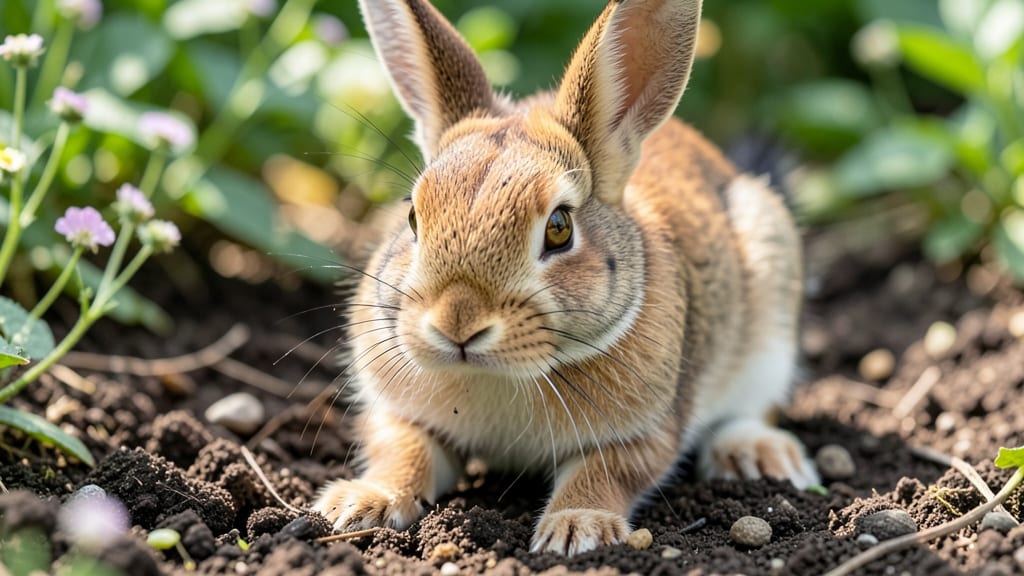
Peter Rabbit gardening uses natural deterrents—like fragrant herbs, barriers, and companion plants—to safely keep rabbits out of vegetable gardens. Strong-smelling plants such as rosemary, thyme, or lavender are among the most effective solutions.
Rabbits are drawn to gardens for their tender new growth and lack of natural predators in urban areas, making them persistent visitors. 🌿 Their keen sense of smell helps them locate food, but it also means strong scents can deter them effectively.
This method works because rabbits avoid plants that signal danger or poor nutrition, so strategic placement of repellents creates a natural barrier.
Beyond herbs, physical barriers like chicken wire or fencing can complement these plant-based solutions. The key is combining multiple strategies—like planting marigolds or garlic near vulnerable crops—to create an unwelcoming environment without harming wildlife. This approach aligns with eco-friendly gardening while protecting your harvest.
💡 In This Article
- Why Rabbits Target Vegetable Gardens
- Best Natural Rabbit-Repelling Plants for Gardens
Why rabbits target vegetable gardens
Rabbits are drawn to gardens primarily because they're designed to eat soft, tender plant growth—exactly what vegetables offer. Their natural diet in the wild consists of 60-80% grasses and forbs, but when they encounter cultivated gardens, they find a smorgasbord of nutrient-rich leaves and stems.
This is especially true for newly sprouted seedlings, which contain higher water content and fewer defensive compounds than mature plants. 🌱 The texture of fresh garden greens is also irresistible, as it requires minimal chewing effort compared to fibrous wild plants.
The lack of natural predators in suburban areas makes rabbits even bolder in their garden raids. In the wild, they face threats from foxes, coyotes, and birds of prey, which keeps them cautious.
But in backyards, these predators are often absent, allowing rabbits to forage freely during dawn and dusk—their most active feeding times. Their population density also increases in urban areas, with studies showing 5-10 times more rabbits per acre in suburban zones compared to rural ones.
This abundance translates to more frequent garden visits.
Seasonal patterns play a huge role too. Rabbits are most active during spring and early summer, when tender new growth is abundant.
Their diet shifts dramatically with the seasons: in spring, they prefer clover and dandelions (high in protein), while summer brings a focus on vegetable crops like lettuce and beans. This seasonal shift explains why gardeners often see increased damage during these periods.
Their foraging behavior is also influenced by scent—rabbits have an incredible sense of smell, detecting food from up to 150 feet away.
Here's what most people don't realize: rabbits avoid plants that signal danger through scent. They've evolved to recognize strong, pungent aromas as warnings—think of how they avoid fox urine or skunk spray. This is why aromatic herbs like rosemary or thyme work so well as deterrents.
The volatile oils in these plants create an olfactory barrier that rabbits instinctively avoid. Their diet also influences their garden raids—rabbits that have access to abundant wild forage are less likely to bother gardens, while those in developed areas become more opportunistic. 🐇
Another key factor is the moisture content of plants. Rabbits prefer plants with higher water content (like lettuce or cabbage) because they're easier to digest. This is why you'll often see them targeting recently watered areas first.
Their foraging strategy relies on quick, efficient meals—garden vegetables provide both the nutrition and ease of consumption they seek. Understanding these behaviors helps explain why traditional fencing or repellents sometimes fail: rabbits are smart enough to learn workarounds if the deterrent isn't properly implemented.
The science behind their garden raids also involves their digestive system. Rabbits have a specialized cecum that allows them to extract maximum nutrients from fibrous plants, but they still prefer softer, more digestible options when available.
This is why garden vegetables—especially those with high moisture and low fiber—become their target of choice. The combination of nutritional value, ease of consumption, and lack of natural threats creates the perfect storm for garden raids. 🌿