
Tools
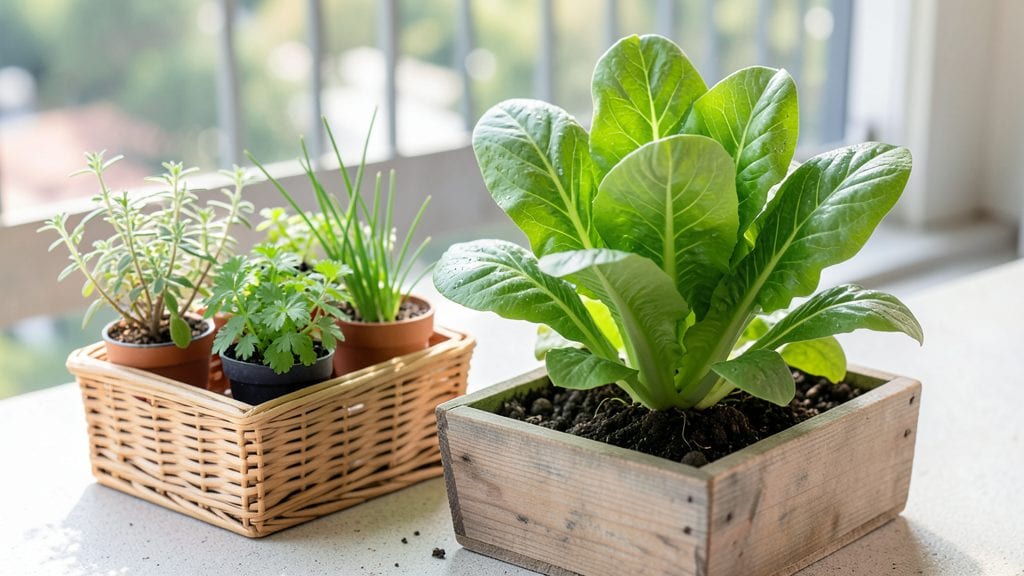
Renter-friendly gardening turned my cramped apartment into a mini jungle without a single hole in the wall. 🌿 The key is thinking vertically and portable—herbs in hanging pots, salad greens in shallow trays, even a tiny tomato plant in a 5-gallon bucket on the balcony.
I’ve moved three times with plants in tow, and every landlord has loved the fresh air they bring.
You don’t need fancy setups—just containers with drainage, lightweight soil, and plants that thrive in small spaces. Succulents, strawberries, and bush beans grow like crazy in 1-gallon pots, while trellises turn a corner into a vertical veggie patch.
The best part? Everything packs up neatly when lease day rolls around, leaving no trace behind.
Imagine snipping fresh basil for pasta or harvesting cherry tomatoes by summer—all without breaking a lease. With the right setup, you’ll have edible greens in weeks, not months, and the satisfaction of growing something beautiful (and delicious) that’s entirely yours to enjoy—or take with you.
From sunny balconies to dim bedrooms with grow lights, these hacks work anywhere. The secret is starting small, choosing forgiving plants, and keeping it simple. Ready to turn your rental into a green oasis without the landlord’s side-eye?
📚 In This Guide
- What you need
- Instructions
- Tips and common mistakes
- Wrapping up and next steps
What you need
- ● Containers: 3–5 lightweight pots (5–10 gallons) with drainage holes (plastic, fabric, or self-watering). Pro tip: 💡 Use thrifted or upcycled containers (clean yogurt cups, colanders, or even old boots!).
- ● Growing Medium: 1–2 bags of high-quality potting mix (avoid garden soil—it’s heavy and may contain weeds/seeds). Look for organic, peat-free options.
- ● Seeds/Seedlings: Start with fast-growing, compact plants: herbs (basil, mint, chives), leafy greens (lettuce, spinach), or cherry tomatoes.
- ○ Optional: Microgreens (sprout in as little as 7 days—no soil needed!).
- ● Watering Supplies: 1 watering can (1–2 gallons) or a spray bottle for seedlings.
- ○ 1 moisture meter (optional but handy for picky plants like herbs).
- ● Basic Hand Tools: 1 small trowel (for transplanting seedlings).
- ● 1 pair of pruning shears (for trimming herbs/veggies).
- ○ 1 pair of gardening gloves (optional but saves your hands!).
- ● Portable Setup: 1 foldable tray or saucer (to catch water runoff).
- ○ 1 LED grow light (optional for low-light spaces like windowsills).
- ● Check your lease for petty clauses (e.g., no drilling, weight limits). If in doubt, stick to no-perm solutions like fabric pots or wall-mounted planters.
- ● Secure permission for balcony/patio use—some buildings restrict outdoor setups.
- ● Keep a cleanup kit handy: paper towels, a small broom, and a trash bag for spills or pests.
Step-by-Step guide to renter-friendly gardening
Turn any small space into a thriving garden—no yard or landlord permission needed.
🪴 Step 1: Gather Lightweight, Portable Supplies
Start with containers that won’t weigh you down or damage floors. I use plastic or fabric grow bags (they’re lightweight and drain well) or stackable ceramic pots (if you prefer style). Avoid heavy terra cotta—it’s a pain to move and can crack if dropped. For soil, grab 3 gallons of lightweight potting mix (never garden soil—it’s too dense and won’t drain). A small hand trowel and spray bottle round out the basics.
Pro tip: If you’re growing herbs or leafy greens, add 1 packet of slow-release fertilizer to the soil mix. This ensures your plants get steady nutrients without extra effort. Label your pots with a waterproof marker—trust me, you’ll forget which is which after a few weeks.
☀️ Step 2: Scout the Best Light Spots
Most renters overlook windowsills, balconies, and even countertops as prime real estate. Place pots near south- or west-facing windows for 6+ hours of sunlight daily. If your space is dim, supplement with a small LED grow light (I use a 12-inch clip-on bulb for herbs on kitchen counters). Rotate pots a quarter turn weekly so plants grow straight instead of leaning toward the light.
Watch for yellowing leaves—this means your plants aren’t getting enough light. If that happens, move them closer to the window or swap in a sun-loving variety like basil, mint, or chives. Avoid placing pots on cold windowsills (below 50°F)—roots will struggle to absorb water.
💧 Step 3: Water Smartly Without Overdoing It
Use the finger test to check moisture: Stick your finger 1 inch into the soil. If it feels dry, water until it’s damp but not soggy. Overwatering is the #1 killer of container plants—roots need air too. A spray bottle works for small pots, but for larger ones, use a watering can with a thin spout to direct water to the soil, not the leaves.
Group pots together to create a microclimate—this helps retain moisture and humidity, especially for tropical plants like peperomia or pothos. Empty saucers after watering to prevent root rot. If you’re forgetful, try self-watering planters (they’re a game-changer for busy renters).
🌱 Step 4: Start with Low-Maintenance Plants
Skip the finicky varieties and go for hardy, fast-growing plants like basil, mint, parsley, or leafy greens. These thrive in small pots and forgive occasional neglect. If you’re feeling adventurous, try cherry tomatoes or strawberries—just use 5-gallon grow bags for their roots. Avoid root vegetables like carrots or potatoes (they need deep soil).
Here’s the thing—herbs and greens grow fastest, so you’ll see results in 2-4 weeks. That’s the confidence boost you need to keep going. If a plant struggles, don’t stress—swap it for something easier. The goal is joy, not perfection.
✂️ Step 5: Harvest and Maintain Like a Pro
Pinch off outer leaves or flowers to encourage bushier growth. For herbs, harvest in the morning after dew dries—flavor peaks then. Use clean scissors to avoid damaging stems. If a plant outgrows its pot (roots circling the bottom), it’s time to upgrade to a larger container—just do it before the roots get cramped.
Every 2-3 months, refresh the soil with 1 cup of compost or worm castings. This keeps nutrients flowing without the hassle of repotting. When you move out, compost the soil (if allowed) or take the plants with you—landlords rarely care about empty pots.
Tips & tricks for perfect renter-friendly gardening
Here's what nobody tells you about making your small-space garden thrive without any drama.
Container Weight Matters: In Step 1, don't underestimate how much those lightweight containers will add up. I learned this the hard way after struggling to move my ceramic pots across my apartment. Opt for fabric grow bags—they're half the weight of plastic and drain better too. For extra stability, place them on a saucer or tray to catch any spills, especially on delicate surfaces.
Light Hack for Tiny Spaces: When you're scouting spots in Step 2, don't overlook your kitchen countertops. I keep my basil and mint right next to my stove where they get indirect light during cooking hours. For plants needing more light, try placing them on a bookshelf near a window—just make sure they're not blocking any vents or heating elements. The key is finding that sweet spot where they get 4-6 hours of sunlight without overheating.
Watering Wisdom: That finger test in Step 3 is your best friend, but there's more to it. I check soil moisture at the same time every morning—usually right after I make my coffee. For tropical plants like peperomia, I water every 5-7 days while herbs like basil need watering every 3-4 days. The trick is to water thoroughly until you see water draining from the bottom, then let the excess drain away completely.
Cold Windowills Are the Enemy: Step 2 warns about cold windowsills, but here's the real fix: I use a simple foam pad under my pots to create a tiny insulating barrier. This keeps roots above 50°F even when my apartment gets chilly at night. For extra protection during winter, I move my most sensitive plants to a sunny spot away from drafty windows.
Pro Tips for Renter Friendly Gardening
- Here's what nobody tells you about making your small-space garden thrive without any drama.
- Container Weight Matters: In Step 1, don't underestimate how much those lightweight containers will add up.
- Light Hack for Tiny Spaces: When you're scouting spots in Step 2, don't overlook your kitchen countertops.
Frequently asked questions
Got questions about renter-friendly gardening?
You’re not alone—let’s tackle the most common ones so you can green your space without the hassle. Here’s what you need to know:
Can I garden in a rental if my landlord says no?
Check your lease first! If it’s silent on gardening, start small with non-invasive options like window boxes, hanging planters, or indoor herbs. If you’re worried, ask permission—many landlords approve if you’re discreet (e.g., no permanent structures). Pro tip: Offer to remove plants when you move out to ease concerns!
How long does it take to see results in renter-friendly gardens?
Fast-growing plants like microgreens, basil, or radishes sprout in 1–3 weeks. Herbs and leafy greens (spinach, kale) mature in 4–6 weeks. Patience pays off—just rotate crops to keep your space productive!
What’s the cheapest way to start a renter garden?
Skip the fancy setups! Use:
- Recycled containers: Clean yogurt cups, tin cans, or old buckets (drill drainage holes!).
- Dirt alternatives: Coconut coir or peat moss for lightweight soil.
- Seed swaps: Ask local gardening groups for free seeds or propagate cuttings (e.g., mint, pothos).
How do I deal with pests without chemicals?
Prevent pests with physical barriers (mesh over pots) and natural repellents:
- Crush garlic or chili peppers into water for a spray.
- Attract ladybugs or praying mantises (they eat aphids!).
- Wipe leaves with soapy water (1 tsp dish soap per quart).
Can I garden in my bedroom?
Low-light plants like snake plants, ZZ plants, or herbs (parsley, cilantro) thrive near windows. For zero sunlight, try:
- LED grow lights (affordable clips for $10–$20).
- Hydroponics (no soil needed—just water and nutrients!).
Wrapping up and next steps
Renter-friendly gardening proves that you don’t need a backyard—or even a permanent home—to cultivate a thriving green space!
Whether you’re growing herbs on a sunny windowsill, reviving plants in a cozy bedroom nook, or experimenting with hydroponics, the key is creativity, adaptability, and a little green thumb love. 🌱 Start small, embrace the process, and soon you’ll be reaping the rewards of fresh air, fresh flavors, and a happier living space.
Ready to dive in? Pick one idea from this guide and try it this weekend! Share your progress with fellow plant lovers—your journey might inspire someone else’s green adventure. Happy growing! 🌿