
Tools
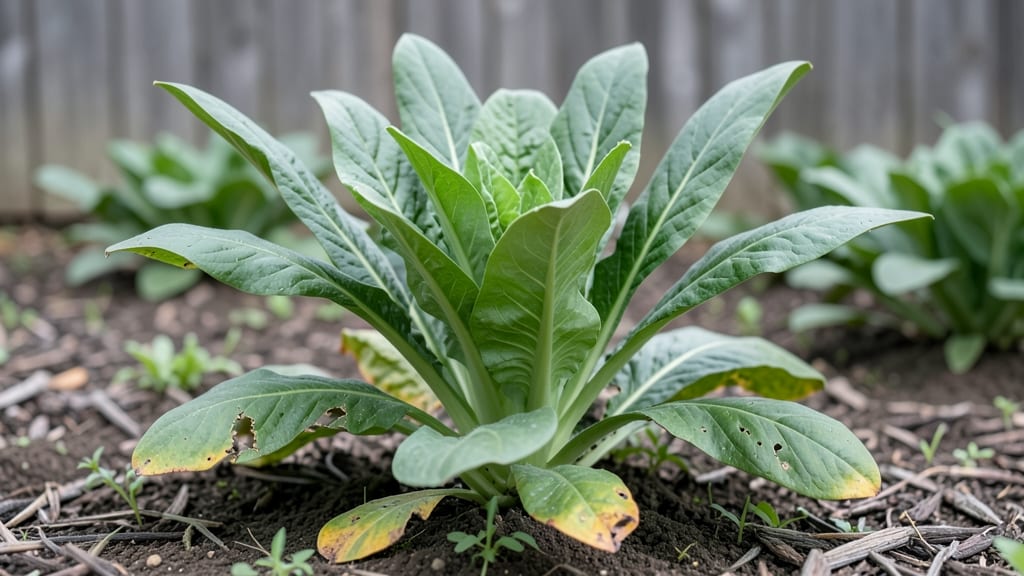
My romaine lettuce garden thrives in containers year-round—it’s easier than you think, and I’ve mastered the trick after five winters of growing it. 🌱 The secret? Deep pots, balanced sunlight, and... a few clever companion plants that keep pests away.
The first time I tasted lettuce straight from my balcony in December, I knew I’d never buy store-bought again.
You’ll need containers at least 12 inches deep (romaine roots run deep), a south-facing spot with 4-6 hours of sunlight daily, and a well-draining mix of potting soil and compost. Add a handful of fish emulsion at planting for that extra crunch, and you’re set.
The best part? You can tuck these containers along fences, on patios, or even indoors near bright windows—no yard required.
By mid-fall, you’ll be harvesting baby leaves in 3-4 weeks and full heads in 6-8 weeks, even when temps dip. The leaves stay crisp, the flavor deepens, and you’ll have enough for salads, wraps, or gift baskets.
Plus, romaine’s upright growth makes it a sleek border plant—neat, edible, and always productive.
Works for small spaces, urban balconies, or even a sunny kitchen nook. Here’s how to design yours for maximum harvests and minimum fuss—no green thumb required.
📚 In This Guide
- What you need
- Instructions
- Tips and common mistakes
- Wrapping up and next steps
What you need
- ● Containers: 5-gallon fabric grow bags, deep pots (12"+ depth), or self-watering planters (2–3 per plant). Drainage holes are a must!
- ● High-quality potting mix: 10–15 lbs of organic, well-draining blend (avoid garden soil). Look for "seed starting" or "vegetable" mixes.
- ● Romaine lettuce seeds: 50–100 seeds (or 3–5 seedlings if transplanting). Choose cold-hardy varieties like 'Winter Density' or 'Black Seeded Simpson'.
- ● Slow-release fertilizer: 1 lb of balanced (10-10-10) or organic options like composted manure.
- ● Watering can or hose with gentle spray nozzle: For even moisture without disturbing seedlings.
- ● Row covers or shade cloth (30–50% shade): 1–2 pieces (4'x6' or custom-cut) to protect from pests and intense sun.
- ○ Garden twine or stakes (optional but helpful): For trellising if growing tall varieties.
- ● Hand trowel or small shovel: For transplanting seedlings.
- ● Spray bottle: For seedling hydration before germination.
- ○ pH test kit (optional): To ensure soil pH is 6.0–7.0 (ideal for lettuce).
- ○ Organic pest control (optional): Neem oil or insecticidal soap for aphids.
- ● Garden gloves: To keep hands clean while handling soil.
Step-by-step instructions for a romaine lettuce garden in containers
Here’s how to grow crisp, homegrown romaine year-round—no backyard needed.
🪴 Step 1: Choose and Prepare Containers
Romaine thrives in 8-12 inch deep containers with drainage holes—shallow pots stunt root growth. I use 5-gallon fabric grow bags for my four plants because they wick moisture evenly and prevent soggy roots. If using plastic or ceramic, drill extra holes if the bottom has only one.
Line the bottom with 2 inches of coarse gravel to improve drainage and prevent clogging. This layer keeps roots oxygenated and stops water from pooling. Place your containers where they’ll get 4-6 hours of morning sun—afternoon heat wilts leaves faster than romaine can recover.
🌱 Step 2: Fill with Lightweight, Nutrient-Rich Soil
Fill containers with a mix of 3 gallons of potting soil and 1 gallon of compost. Romaine prefers loose, well-draining soil—heavy garden soil compacts and suffocates roots. I blend in ½ cup of perlite per container to keep the mix airy while retaining moisture.
Moisten the soil until it feels like a damp sponge—squeeze a handful, and water should bead on the surface but not drip. Avoid overwatering now; soggy soil invites rot before seeds even sprout. Leave 1 inch of space at the top for watering without overflow.
☀️ Step 3: Sow Seeds at the Right Depth and Spacing
Scatter 10-12 seeds per container, pressing them ¼ inch deep into the soil. Romaine seeds are tiny—use a toothpick to space them 1 inch apart in rows. Crowding leads to weak, leggy plants that bolt quickly. Cover lightly with a sprinkle of soil, then mist with water until the surface looks evenly damp.
Place containers in a warm spot (65-75°F) until germination, which takes 7-14 days. Keep the soil consistently moist but not wet—tap the surface daily to check. If the top inch feels dry, water gently. Once seedlings appear, thin to 3-4 strongest plants per container, snipping extras at the base with scissors.
💧 Step 4: Maintain Consistent Moisture and Light
Water deeply every 2-3 days, soaking until water runs out the drainage holes. Romaine hates drying out—wilting leaves never fully recover crispness. In hot months, water daily in the morning to prevent afternoon stress. Use a drip irrigation system or watering can with a fine rose to avoid disturbing soil.
Rotate containers quarter-turn daily so plants grow straight toward the light. You’ll notice leaves bending toward the window? That’s your cue to move the container closer. Aim for 12-14 hours of light daily—supplement with a grow light if natural light fades before evening.
✂️ Step 5: Harvest Outer Leaves for Continuous Yield
Start harvesting outer leaves when plants reach 6-8 inches tall, cutting just above a leaf node with clean scissors. This encourages regrowth from the center. You’ll get 3-4 harvests per plant before bolting in summer heat—always leave the inner heart intact to keep producing.
For winter crops, reduce watering slightly and protect containers with frost blankets on chilly nights. Romaine tolerates light frosts, but prolonged cold turns leaves bitter. In summer, shade cloth (30-50%) prevents bolting. With this method, you’ll enjoy crisp, homegrown romaine for months—no store-bought bitterness here.
Tips & tricks for perfect romaine lettuce garden
Growing crisp romaine in containers takes patience—and these tricks will help you avoid the most common pitfalls while maximizing your harvest.
Container Depth Matters: The 8-12 inch depth requirement isn't arbitrary—romaine roots need room to establish before they hit the bottom. I've seen shallow pots (under 6 inches) produce stunted plants that wilt within weeks. For maximum root development, use fabric grow bags or deep ceramic pots with drainage holes. If you must use shallower containers, consider growing a shorter variety like 'Little Gem' instead.
Soil Mix Secrets: That 3:1 ratio of potting soil to compost (3 gallons to 1 gallon) creates the perfect balance of nutrients and aeration. The ½ cup of perlite per container is non-negotiable—it prevents compaction while retaining just enough moisture. Pro tip: Sift your soil mix before filling containers to eliminate large clumps that can suffocate roots. I also recommend adding a handful of worm castings to boost microbial activity right from the start.
Germination Environment: Those 7-14 days of germination can feel like forever, but maintaining that 65-75°F temperature range makes all the difference. Place containers on a seedling heat mat if your home runs cooler, or move them to a sunny windowsill during the day and back to a warmer spot at night. The key is consistency—fluctuations cause uneven sprouting. Once you see those first tiny leaves, resist the urge to move containers immediately; let them acclimate for 24 hours before thinning.
Light Management: The 12-14 hours of daily light requirement is critical for crisp romaine. If your natural light falls short, supplement with a full-spectrum LED grow light placed 6-12 inches above the plants. I've found that rotating containers quarter-turn daily isn't just about even growth—it also helps prevent leggy plants that stretch toward the light source. Watch for leaves bending toward the window as your early warning system that more light is needed.
Pro Tips for Romaine Lettuce Garden
- Growing crisp romaine in containers takes patience—and these tricks will help you avoid the most common pitfalls while maximizing your harvest.
- Container Depth Matters: The 8-12 inch depth requirement isn't arbitrary—romaine roots need room to establish before they hit the bottom.
- Soil Mix Secrets: That 3:1 ratio of potting soil to compost (3 gallons to 1 gallon) creates the perfect balance of nutrients and aeration.
Frequently asked questions
Got questions about growing crisp, homegrown romaine lettuce in containers? You’re not alone! Here are answers to the most common queries to help you cultivate a thriving garden year-round.
How long does it take for romaine lettuce to grow in containers?
Romaine lettuce typically reaches harvestable size in 6 to 8 weeks from seed, depending on variety and growing conditions. For baby leaves, you can harvest as early as 4 weeks. Container-grown lettuce may mature slightly faster due to better airflow and moisture control.
Can I grow romaine lettuce in containers during hot summer months?
Romaine lettuce prefers cooler temperatures (60–70°F) and can struggle in extreme heat. To grow it in summer, use shade cloth (30–50%), keep soil moist, and opt for heat-tolerant varieties like ‘Jericho’ or ‘Black Seeded Simpson.’ Containers help prevent overheating—just ensure they’re in partial shade.
What’s the best way to succession plant romaine lettuce for continuous harvests?
Sow new seeds every 2–3 weeks for a steady supply. In containers, stagger plantings by spacing seeds in different pots or sections. For fall/winter, use row covers to protect young seedlings from frost. This method ensures fresh romaine all season long!
How do I prevent pests like aphids or slugs from damaging my container-grown romaine?
Start with healthy soil and companion planting (e.g., marigolds or nasturtiums). For aphids, spray with soapy water (1 tsp mild soap per quart of water). Slugs? Use copper tape around containers or diatomaceous earth. Regularly inspect leaves and remove pests manually for early control.
Can I grow romaine lettuce indoors under grow lights?
Romaine thrives indoors with 12–14 hours of full-spectrum LED grow lights (12–18 inches above plants). Use well-draining containers (like fabric pots) and keep humidity moderate. Varieties like ‘Little Gem’ are compact and ideal for small spaces.
Pro Tip:
Need a quick fix for bolting (premature flowering)? Harvest outer leaves first to slow maturity. Or, try bolting-resistant varieties like ‘Parris Island Cos’ for longer harvest windows.
Wrapping up and next steps
Growing romaine lettuce in containers is a rewarding way to enjoy fresh, crisp greens year-round—even in small spaces! With the right tools, a little patience, and these tips, you’ll soon be harvesting vibrant, homegrown salads.
The key? Consistent care, proper spacing, and smart container choices—and now, you’re armed with everything you need to succeed.
Ready to dive in? Start by gathering your supplies and setting up your first container garden this weekend. Before you know it, you’ll be savoring the taste of homegrown romaine straight from your balcony or windowsill! 🌱