
Tools
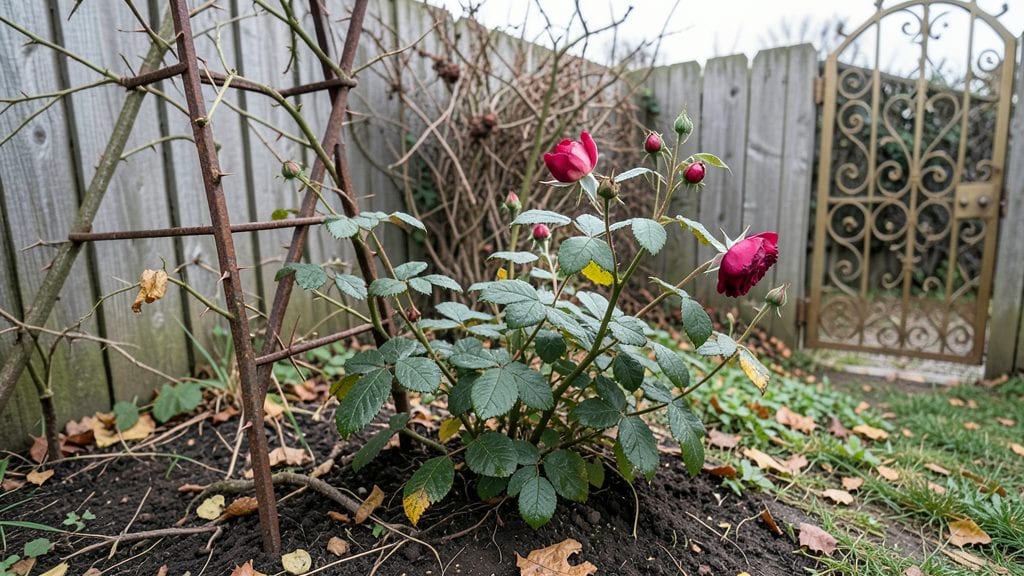
My secret garden club starts with a simple fence wrapped in lush, low-maintenance vines—the kind that transforms a backyard corner into a hidden world. 🌿 I stumbled upon this idea after years of struggling with nosy neighbors peeking over fences, and now my garden feels like a private escape where the only visitors are bees and butterflies.
The key isn’t just the plants, but how they frame the space: tall climbers like clematis or honeysuckle paired with a trellis or arbor creates that magical, secluded vibe instantly.
The best part? These vines thrive with almost no effort once established. A few hours of initial training, regular watering for the first month, and you’re set—no dead zones, no weeding, just velvety green walls that change with the seasons.
I’ve seen my own garden go from an afterthought to the envy of the neighborhood, all because of how it feels—like stepping into a storybook. The plants I choose are hardy, fast-growing, and perfect for hiding everything from laundry lines to less-than-perfect views.
What you’ll end up with is a space that feels like a secret just for you—whether that’s a cozy reading nook, a quiet meditation spot, or a place to host intimate gatherings.
The scent of jasmine at dusk or the rustle of leaves in the breeze makes it feel alive, like the garden is conspiring to keep you there forever. And the best secret? Your neighbors will never know the simple tricks that make it happen.
Works in any yard, from urban balconies to sprawling backyards—just adjust the scale. Start small with a single trellis, then expand as your green curtain grows. Here’s how to begin without overcomplicating it.
📚 In This Guide
- What you need
- Instructions
- Tips and common mistakes
- Wrapping up and next steps
What you need
- ● Vines (Choose 1-3 varieties): English Ivy (Hedera helix) – Hardy & fast-growing 🌱
- ● Jasmine (Jasminum) – Fragrant & climbing 🌸
- ● Clematis (Clematis spp.) – Floral & dramatic 🌺
- ● Honeysuckle (Lonicera) – Sweet-scented & wildlife-friendly 🐝
- ● Support Structures: Trellis (4’x8’ or custom size) – For vertical growth 🪵
- ● Arbor or Pergola (6’+ height) – For arched or overhead coverage 🌿
- ● Obelisk (3’-5’ tall) – For smaller spaces or focal points 🎭
- ○ String/Twine (100+ ft) – For training vines (optional but helpful!) 🧵
- ● Soil & Amendments: Potting Mix (2-5 bags, depending on container size) – Well-draining 🌱
- ● Compost (1-2 bags) – Boosts nutrients & moisture retention 🌿
- ● Slow-Release Fertilizer (e.g., Osmocote) – For steady growth 💪
- ● Containers (if not in-ground): Large Planters (15-20 gallons) – For heavy vines 🏺
- ○ Self-Watering Bags (optional) – For travel or forgetful gardeners 💦
- ● Tools: Garden Gloves (1 pair) – Protects hands from thorns 🧤
- ● Pruning Shears – For trimming & shaping ✂️
- ● Trowel – For planting & soil prep 🏗️
- ○ Measuring Tape (optional) – Ensures proper spacing 📏
- ● Mulch (2-3 bags) – Retains moisture & suppresses weeds 🌿
- ● Drip Irrigation Kit – Automates watering (great for vacations!) 💧
- ● Solar-Powered Lights – Adds ambiance to your secret garden 🌟
- ● Bird Feeder – Attracts pollinators & adds charm 🐦
- ● Decorative Accents – Fairy lights, wind chimes, or a cozy seating nook ✨
Step-by-step instructions for creating your secret garden club privacy haven
Transform any corner into a lush, green escape with vines that thrive on minimal care.
🌱 Step 1: Choose the Perfect Spot and Vines
Pick a location with at least 6 hours of sunlight daily—most vines crave full sun for vigorous growth. I always scout for sturdy structures like fences, trellises, or even a sturdy branch to support climbing plants. Look for areas with well-draining soil to prevent root rot, especially if you’re working with heavy clay.
Select a mix of fast-growing and slow-but-lush vines for layered privacy. Clematis and morning glories shoot up quickly, while roses and wisteria add long-term elegance. I like to start with 3-4 plants per 10 feet of structure—this gives them room to spread without crowding. Check labels for mature size; some vines can reach 20+ feet!
🪴 Step 2: Prepare the Soil and Plant
Loosen the top 6-8 inches of soil with a garden fork to help roots spread easily. Mix in 2-3 inches of compost (if available) or a slow-release fertilizer to give your vines a nutrient boost. I avoid heavy amendments like manure—it can burn tender roots and attract pests.
Dig holes twice as wide as the root ball but only as deep as the container. Gently remove plants from their pots, tease out tangled roots, and place them in the hole so the top of the root ball sits 1 inch below soil level. Backfill with soil, firming it lightly around the base to eliminate air pockets. Water deeply to settle everything in.
☀️ Step 3: Install Support Structures
If your vines don’t have a natural trellis, install one now. I use powder-coated metal or wooden lattice panels for durability—these won’t rust or warp like untreated wood. Space supports 3-4 feet apart for climbing vines like jasmine or passionflower, and 6-8 feet apart for heavier growers like grapes or kiwi.
Secure the structure firmly so it doesn’t sway in wind or bow under the weight of mature vines. For fences, attach twine or netting horizontally every 12 inches to give vines something to grip. Prune any weak or crossing branches now to encourage strong, upward growth. This is the backbone of your secret garden—skip it, and you’ll regret it later!
💧 Step 4: Water and Mulch for Long-Term Success
Water deeply once a week for the first month, then taper to every 10-14 days once established—vines hate soggy roots but love consistent moisture. I water at the base in the morning to reduce evaporation and fungal risks. You’ll know you’re doing it right when the soil feels damp 2 inches down but not waterlogged.
Spread 2-3 inches of mulch around the base (keeping it 3 inches away from stems to prevent rot). Use shredded bark or pine straw—they suppress weeds and retain moisture beautifully. Replenish mulch annually to keep your garden looking tidy and healthy. This step cuts down on weeds by 90%, saving you endless hours of pulling!
✂️ Step 5: Prune and Train for a Polished Look
Prune in early spring to shape your vines and encourage bushier growth. Cut back one-third of the previous year’s growth to stimulate new shoots. For climbing vines, gently tie new growth to the trellis with soft twine or plant clips—never force branches, or you’ll snap them. I always prune after flowering to keep plants tidy and productive.
Watch for leggy growth or bare spots—these are signs your vines need more light or support. Thin out crowded stems to improve airflow, which prevents diseases like powdery mildew. With regular pruning, your vines will grow fuller and faster, turning that bare fence into a thriving green curtain in just a season.
Tips & tricks for perfect secret garden club privacy haven
Creating your own lush privacy haven doesn't have to be complicated—just strategic! Here are the game-changing tips that'll help your vines thrive and transform that bare fence into a verdant sanctuary.
Sunlight Strategy: The 6 hours of sunlight daily mentioned is non-negotiable, but here's the secret: south-facing fences get the most consistent sun exposure. If your space only gets partial sun, opt for shade-tolerant varieties like clematis 'Jackmanii' or ivy—these will still create that magical privacy effect, just with slightly slower growth. Morning sun is ideal for most vines, as it prevents afternoon wilting during hot summer months.
Plant Spacing Payoff: That 3-4 plants per 10 feet recommendation isn't just about aesthetics—it's about airflow and sunlight penetration. Too many plants too close together creates a competitive environment where weaker stems get shaded out. For a denser look faster, space your fast growers (like morning glories) slightly closer (2-3 feet apart) and the slower growers (like roses) at the full 4-foot spacing. This creates natural gaps that prevent disease while still looking lush.
Soil Science Secret: The 6-8 inches of loosened soil is perfect for root establishment, but here's what nobody tells you: if your soil is particularly heavy clay, mix in 1 part perlite to 3 parts soil when amending. This creates tiny air pockets that prevent waterlogging while still holding moisture. For sandy soils, add a bit of coconut coir to help retain water without compacting. The goal is soil that feels like a damp sponge—not muddy, not dry.
Support System Savvy: When installing those 3-4 foot supports for climbing vines, here's my pro move: use adjustable trellis panels that let you expand the structure as your vines grow. I've seen too many beautiful gardens where the trellis couldn't handle the weight after just two seasons! For heavy growers like grapes, add diagonal supports at a 45-degree angle—they'll bear the weight better than vertical structures alone. Think of it as building a vine-friendly skyscraper!
Pro Tips for Secret Garden Club
- Creating your own lush privacy haven doesn't have to be complicated—just strategic!
- Sunlight Strategy: The 6 hours of sunlight daily mentioned is non-negotiable, but here's the secret: south-facing fences get the most consistent sun exposure.
- Plant Spacing Payoff: That 3-4 plants per 10 feet recommendation isn't just about aesthetics—it's about airflow and sunlight penetration.
Frequently asked questions
Got questions about creating your own Secret Garden Club? Here are some of the most common ones—plus answers to help you get started with confidence!
What’s the easiest way to start a Secret Garden Club with minimal upkeep?
Opt for hardy, self-spreading vines like Hedera helix (English ivy) or Clematis—they thrive in partial shade, need little pruning, and grow fast. Pair them with drought-tolerant ground covers (e.g., Ajuga) to cut back on watering. This combo keeps maintenance under 30 minutes a month!
How long does it take for a Secret Garden Club to become fully private?
Most vines take 1–3 years to create a dense, impenetrable screen, depending on the species. Fast growers like Wisteria or Honeysuckle can offer partial privacy in 1 year, while slower climbers (e.g., Jasmine) may need 2–3 years. Pro tip: Train vines early to maximize speed!
Can I build a Secret Garden Club in a small space, like a balcony or courtyard?
Use vertical planters, trellises, or even hanging baskets for vines like Sweet Pea or Morning Glory. For ground cover, try Creeping Jenny or Liriope—they thrive in tight spots and add texture. Container gardening is your secret weapon here!
Will a Secret Garden Club attract pests like insects or rodents?
While some vines (e.g., Honeysuckle) may draw pollinators, they’re harmless and beneficial! To deter rodents, avoid dense mulch piles and opt for non-edible plants. Pro tip: Plant Lavender nearby—its scent naturally repels pests.
What’s the best time of year to plant for a Secret Garden Club?
Spring (after last frost) or early fall are ideal for most vines. Cool-season plants (like Ivy) can handle fall planting, while tropical varieties (e.g., Bougainvillea) need warm soil. Pro tip: Water deeply after planting—this boosts root growth for a head start!
What if my vines stop growing or look unhealthy?
Check for sunlight (most vines need 4–6 hours/day), water (drought stress = slow growth), or nutrient deficiencies (use a balanced fertilizer). Prune dead branches in early spring and watch for pests. Pro tip: A soil test can reveal hidden issues!
Wrapping up and next steps
Creating your own Secret Garden Club is more than just a gardening project—it’s a way to craft a serene, private escape where nature thrives with minimal effort.
Whether you’re wrapping a balcony, a fence, or a trellis, these lush, low-maintenance vines will transform any space into a verdant sanctuary that feels like a well-kept secret. 🌿
The best part? Once you’ve planted your vines, you’ll enjoy years of beauty and privacy with little upkeep. Ready to take the next step? Start small—pick one vine type, gather your supplies, and let your green oasis grow! Get growing today!