Tools
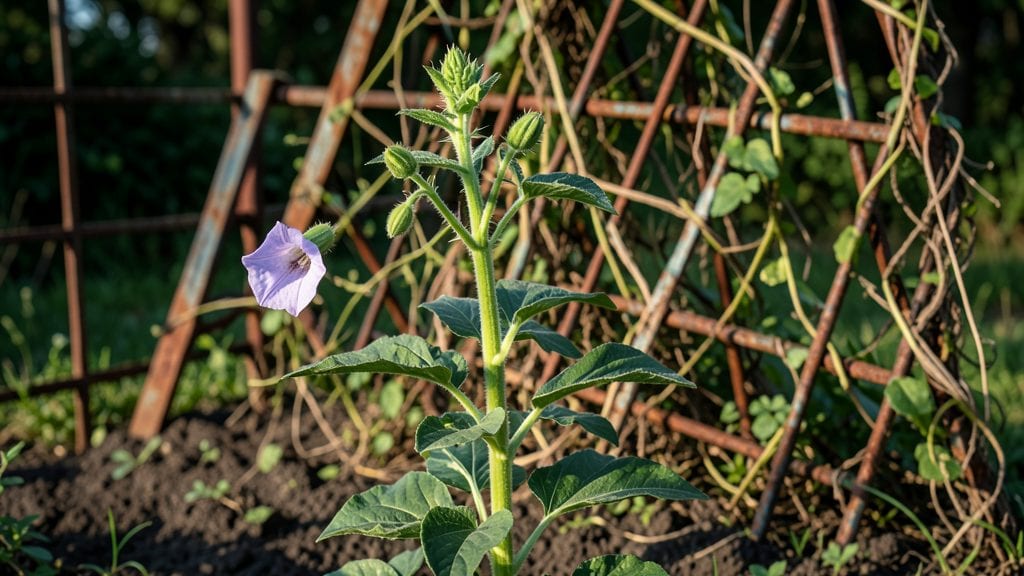
Step into the mysterious garden hidden in your backyard, where every twist of the path unfolds like a secret waiting to be discovered. 🌿 The key isn’t just hiding things; it’s creating an atmosphere where curiosity leads you deeper into the space.
Start with a focal point—a secluded bench, a small fountain, or a trellis draped in climbing roses. Use tall grasses, bamboo screens, or dense shrubs to frame hidden corners, while strategic lighting (solar-powered path lights or lanterns) guides visitors without giving everything away.
Even small spaces can work with vertical gardens or tucked-away containers filled with rare herbs or fragrant flowers.
You’ll end up with a garden that feels like stepping into another world—one where the air smells of jasmine at dusk and the rustling leaves hide surprises around every turn.
The best part? It grows more mysterious as the seasons change, with each new bloom or vine revealing another layer of your hidden sanctuary.
Whether you’re working with a cozy corner or a sprawling plot, the magic lies in the details: the way light filters through leaves, the sound of water trickling in a secluded spot, or the thrill of stumbling upon a hidden harvest.
Let’s bring that mystery to life—one deliberate plant and path at a time.
📚 In This Guide
- What you need
- Instructions
- Tips and common mistakes
- Wrapping up and next steps
What you need
- ● Native plants & shrubs: 10–20 plants (e.g., Privet, Boxwood, or Holly) for dense, natural privacy.
- ● Climbing vines: 3–5 plants (e.g., Clematis, Wisteria, or Jasmine) for vertical coverage.
- ● Mulch: 5–10 bags (organic or inorganic) to suppress weeds and retain moisture.
- ● Edible plants: 5–10 low-growing or climbing varieties (e.g., Strawberries, Herbs, or Pole Beans) for hidden harvests.
- ● Garden soil: 2–3 cubic yards (amended with compost for nutrient-rich beds).
- ● Hand trowel (for precise planting).
- ● Pruners or shears (sharp, bypass-style for clean cuts).
- ● Garden gloves (heavy-duty for thorny plants).
- ● Measuring tape & stakes (to map out secret layouts).
- ● Wheelbarrow or bucket (for hauling soil and mulch).
- ● Watering can or hose with nozzle (gentle watering for new plants).
- ● Arbor or trellis (for climbing plants and vertical privacy).
- ● Garden trellis netting (to train vines and create layers).
- ● Decorative rocks or pebbles (for pathways or borders).
- ● Solar-powered lights (to highlight hidden features at night).
- ● Secret garden gate or latch (for that extra magical touch!).
Step-by-Step instructions for designing a hidden garden layout
Transform any space into a secretive green escape with these clever design tricks.
🌿 Step 1: Choose Your Secret Location
Pick a spot that blends naturally with your surroundings but offers privacy—think tucked corners behind shrubs, under staircases, or along fences. I always look for areas with existing foliage that can act as a living screen. Avoid full sun unless you're planting shade-tolerant herbs or leafy greens that thrive in dappled light.
Measure the space carefully. A 4x4-foot area is perfect for a small hidden harvest, while larger sections can accommodate raised beds or trellises. Mark the boundaries with temporary stakes to visualize the layout before planting. This prevents accidental exposure of your secret garden to curious eyes.
🪴 Step 2: Build Natural Privacy Barriers
Use fast-growing plants like bamboo, ivy, or tall grasses to create a living curtain around the perimeter. I plant bamboo in a contained root barrier to prevent it from spreading uncontrollably—it grows 3-5 feet tall in a single season and provides instant privacy. For softer edges, clematis or morning glories on trellises work beautifully while adding vertical interest.
If you're working with limited space, consider stacked planters or tiered shelves filled with trailing plants like sweet potato vine or creeping fig. These create layers of greenery that obscure the view while keeping your harvest hidden. Arrange them in a way that directs attention away from the center of your garden.
☀️ Step 3: Layer Plants for Depth and Concealment
Start with tall plants like sunflowers or corn along the back edge to block sightlines, then add medium-height herbs or vegetables like basil or Swiss chard in the middle. Finally, fill the front with low-growing plants like thyme, creeping thyme, or strawberries to complete the layered effect. This creates a natural gradient that makes it impossible to see inside from the outside.
I always include a few decoy plants—like ornamental grasses or flowering perennials—that draw attention away from the edible crops. Place them strategically near the edges so anyone glancing over will focus on those instead of your hidden harvest. The key is variety: mix textures, colors, and growth habits to create a lush, organic look.
✂️ Step 4: Add Hidden Access Points
Design a discreet entrance using a fold-down trellis, a hinged gate, or a false rock wall that swings open. I’ve used a wooden lattice panel that blends into the surrounding fence but pivots to reveal the garden behind it. For a more natural look, train a climbing rose or wisteria to grow over a hidden door or pathway.
Place stepping stones or a narrow path just wide enough for one person to walk—this keeps the area looking untouched and discourages visitors from wandering in. If your garden is in a high-traffic area, add a false planting of tall plants near the entrance to create the illusion of a dead end. The goal is to make it look like an accidental discovery rather than a deliberate design.
💧 Step 5: Maintain the Mystery Over Time
Regularly prune overgrown edges to keep the garden looking intentional rather than wild. I shear back fast-growing plants like bamboo or ivy every 4-6 weeks to maintain a neat, controlled appearance. Mulch heavily with wood chips or shredded leaves to suppress weeds and keep the soil looking undisturbed.
Rotate crops seasonally to keep the garden looking dynamic without revealing patterns. For example, swap out summer tomatoes for winter kale or broccoli—this changes the visual texture while maintaining the illusion of a thriving, untended space. The less predictable it looks, the more mysterious it stays.
Tips & tricks for perfectly hidden garden layouts
Creating a garden that feels like a secret escape takes more than just planting—it's all about strategic design choices that blend seamlessly with your surroundings. Here's what I've learned after designing several hidden gardens that look completely accidental.
Location Intelligence: In Step 1, when choosing your secret spot, look for areas with existing foliage that can act as your first line of defense. I once picked a corner behind a dense shrub that already blocked views—it became the perfect backdrop for my hidden herbs. The key is to avoid full sun unless you're intentionally planting shade-tolerant varieties like leafy greens or herbs that thrive in dappled light. This prevents your garden from standing out as an obvious addition to the landscape.
Privacy Barrier Secrets: For Step 2, when building your natural privacy screens, I recommend planting bamboo in a contained root barrier—it grows an impressive 3-5 feet tall in just one season and creates instant privacy. Here's a pro tip: plant your bamboo slightly outside your marked boundaries. As it grows, it will naturally fill in the space and create that seamless, overgrown look. For softer edges, clematis on trellises adds vertical interest while maintaining that natural, slightly wild appearance.
Layering Like a Pro: In Step 3, when creating your layered effect, think about how light plays through your plants. I always place my tallest plants like sunflowers or corn along the back edge to create natural shadows that obscure the view. The middle layer with herbs or vegetables should be slightly shorter, and the front layer with low-growing plants like thyme creates that perfect gradient. Pro tip: Add a few ornamental grasses near the edges—they draw the eye away from your edible crops while adding texture and movement.
Access Point Strategy: For Step 4, when designing your hidden entrance, consider using a wooden lattice panel that blends into your existing fence. I've found that training climbing roses or wisteria to grow over these panels creates a natural, romantic look while still providing access. Another clever trick: place your stepping stones in a slightly irregular pattern—this makes the path look more organic and less like a deliberate garden entrance. The narrower the path, the more it discourages visitors from wandering in.
Pro Tips for The Mysterious Garden
- Creating a garden that feels like a secret escape takes more than just planting—it's all about strategic design choices that blend seamlessly with your surroundings.
- Location Intelligence: In Step 1, when choosing your secret spot, look for areas with existing foliage that can act as your first line of defense.
- Here's a pro tip: plant your bamboo slightly outside your marked boundaries.
Frequently asked questions
What’s the easiest way to start a hidden garden without drawing attention?
Begin with vertical gardens or raised beds tucked into corners, under decks, or behind fences. Use native plants or fast-growing climbers (like ivy or morning glories) to mask the structure naturally. A false wall or decorative trellis can also hide containers or small plots while blending into your landscape.
How long does it take for a hidden garden to become fully functional?
That depends on your goals! A quick-harvest garden (herbs, microgreens, or radishes) can yield results in 2–4 weeks. For privacy screens (like bamboo or shrubs), expect 6–12 months for full coverage. Perennial plants (e.g., asparagus, rhubarb) may take 2–3 years to mature. Plan ahead and layer fast + slow growers!
Can I build a hidden garden in a small space, like a balcony or patio?
Use hanging planters, stacked pots, or fold-down wall gardens to maximize space. Opt for compact varieties (e.g., dwarf tomatoes, bush beans, or strawberries) and LED grow lights if sunlight is limited. Even a 10x10-foot area can hide a thriving secret plot with clever design!
What’s the biggest mistake people make when trying to hide their garden?
The top errors include:
- Ignoring drainage—waterlogged soil gives away hidden containers.
- Using non-native plants—they attract pests or stand out.
- Skipping maintenance—overgrown "deco" plants reveal empty spaces.
- Poor lighting—dark corners discourage growth (and intruders!).
Are there legal or HOA restrictions I should know about before starting?
Check local land-use laws or HOA covenants—some areas restrict permanent structures (like sheds) or non-native vegetation. If in doubt, frame your garden as a "privacy screen" or "ornamental feature" to avoid red flags. When in doubt, consult a neighbor or local gardening forum for insights!
Wrapping up and next steps
The Mysterious Garden isn’t just a clever design—it’s a revolution in privacy and hidden abundance. 🌿 Whether you’re shielding your harvest from prying eyes or crafting a serene escape, these secret layouts transform ordinary spaces into lush, functional secrets. The key? Thoughtful planning and a touch of intrigue.
Ready to turn your backyard into a personal sanctuary? Start small—sketch a layout, gather your materials, and take the first step. Your hidden garden oasis awaits!