
Companion Plants
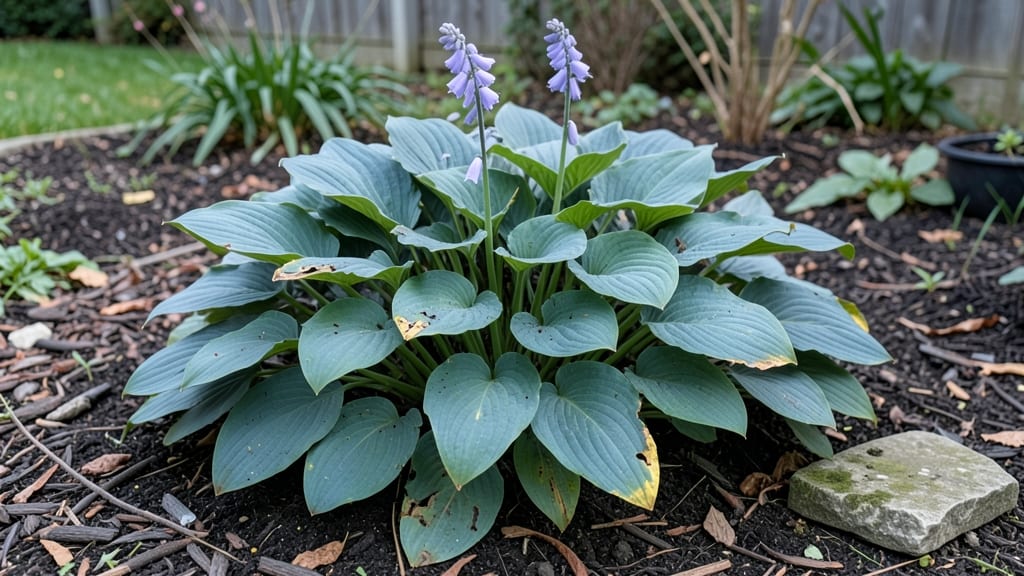
Shaded garden plants don't need to be an afterthought—some of the most lush and elegant gardens thrive where others fail. 🌿 I spent years struggling with sun-loving plants in my woodland backyard until I discovered the right shade-tolerant varieties that actually beg for the dappled light.
The secret isn't fighting nature—it's working with it.
Start with the right soil: rich, well-draining, and amended with compost to keep roots happy in low light. Then layer plants by height—tall ferns and hostas in back, mid-height astilbes and heucheras in the middle, and creeping jenny or ajuga as ground covers.
For small spaces, containers packed with caladiums, impatiens, or fuchsias add instant color without sprawling.
You'll end up with a garden that feels alive year-round—velvety hosta leaves in summer, fiery fall foliage from Japanese maples, and evergreen hellebores that bloom even in winter. The best part? Less watering, fewer weeds, and a space that stays cool and inviting during hot days.
This works for partial shade under trees, full shade in north-facing yards, or dappled light from overhead branches. Let's bring your shady spots to life without the sunburned casualties.
📚 In This Guide
- What you need
- Instructions
- Tips and common mistakes
- Wrapping up and next steps
What you need
- ● Shade-tolerant plants: 5–10 varieties (e.g., hostas, ferns, impatiens, astilbes, or heucheras). Pro tip: 💡 Start with 3–5 plants to test your shade conditions before expanding!
- ● High-quality potting soil: 5–10 gallons (look for moisture-retentive blends with organic matter).
- ● Containers or garden beds: Containers: 1–3 per plant (10–12" diameter for small plants, 14–16" for larger varieties). ✨ Use containers with drainage holes!
- ● Garden beds: Prepped soil area (6" deep minimum) with amended compost.
- ● Mulch: 2–3 bags (shredded bark or wood chips to retain moisture and regulate soil temp).
- ● Watering can or hose with a gentle spray nozzle: 1–2 (for consistent hydration without disturbing roots).
- ● Gloves and knee pads: 1 pair each (to protect your hands and knees during planting!).
- ● Pruners or shears: 1 pair (for trimming dead foliage or shaping plants).
- ● Slow-release fertilizer: 1–2 bags (balanced 10-10-10 or organic options like compost tea).
- ● Light-colored containers: Reflects heat and reduces soil temp spikes.
- ● Drip irrigation system: Automates watering for busy gardeners.
- ● Reflective mulch (e.g., silver plastic): Boosts indirect light for extra-shady spots.
- ● Plant labels: Keeps track of your shade-loving stars!
- ● Shade cloth (30–50% coverage): For areas with partial shade that could use extra protection.
Step-by-Step guide to designing a thriving shaded garden
Here’s how to craft a lush shaded garden that blooms with color and texture without relying on direct sun.
🌿 Step 1: Select the Right Plants for Your Shade Level
Not all shade is equal—identify whether your space gets dappled light (filtered sun through trees) or deep shade (little to no direct rays). For dappled light, choose hostas, ferns, and astilbes, which tolerate occasional sun. In deep shade, opt for heucheras, lungwort, and Japanese painted ferns, which thrive in low light. I always test a spot’s shade by observing it throughout the day—what looks shady in the morning might get afternoon sun.
Group plants by their light needs: place sun-loving varieties like coleus near the garden’s edge where light filters through, while shade specialists like foamflower belong in the darkest corners. Mix textures—hostas with broad leaves contrast beautifully with delicate ferns—to create visual interest even without sun. Avoid planting sun-hungry annuals like petunias here; they’ll wilt within weeks.
🪴 Step 2: Prepare the Soil for Moisture-Retentive Growth
Shade gardens need rich, well-draining, moisture-retentive soil to prevent root rot. Amend your existing soil with 3 inches of compost (from your list) and 1 inch of perlite to improve aeration. I like to work in organic matter like leaf mold if available—it mimics the forest floor where many shade plants naturally grow. Test soil moisture by squeezing a handful; it should hold together but not feel soggy.
For heavy clay soil, mix in 2 gallons of peat moss (if listed) to lighten the texture. Avoid compacting the soil when planting—gentle pressure is enough. A mulch layer of 2-3 inches (using the shredded bark) keeps roots cool and retains moisture, which is critical in shade where evaporation slows. Water deeply after planting to help roots establish in the amended soil.
☀️ Step 3: Plant with Layered Depth and Color
Create visual depth by planting in three layers: tall plants (like cimicifuga or ligularia) at the back, mid-height (such as heucheras or astilbes) in the middle, and ground covers (like sweet woodruff or ajuga) in front. Space taller plants 18-24 inches apart to avoid crowding, while smaller perennials can sit 12 inches apart. I always stagger plants in odd-numbered groupings—three hostas here, five ferns there—for a natural, balanced look.
Choose plants with variegated foliage (like variegated ferns) or bold colors (deep purple heucheras) to brighten shady spots. Add spring bulbs (like trillium or snowdrops) for early color before foliage fills in. Water thoroughly after planting, focusing on the root zone—don’t wet the leaves, which can invite fungal diseases in humid shade.
💧 Step 4: Maintain Moisture and Monitor Growth
Shade gardens stay moist longer, so water deeply once a week unless rainfall exceeds 1 inch. Check soil moisture by inserting your finger 2 inches deep—if it’s dry, water slowly to avoid runoff. Fertilize lightly in early spring with a balanced, slow-release fertilizer (like 10-10-10) to support new growth. I skip heavy feeding in shade; too much nitrogen promotes leafy growth at the expense of blooms.
Watch for yellowing leaves, a sign of overwatering or poor drainage. If you see black spots on foliage, prune affected areas immediately and improve airflow by thinning crowded plants. Deadhead spent blooms (like on astilbes) to encourage more flowers. In late summer, apply a 1-inch layer of mulch to protect roots from temperature swings.
✂️ Step 5: Prune and Refresh for Seasonal Interest
Prune early spring to remove dead or damaged foliage before new growth starts. For heucheras, trim back leggy stems to encourage bushier growth. In late summer, cut back spent perennials (like ligularia) to half their height—they’ll often rebloom in fall. I always leave some seed heads (like on ferns) for winter interest and wildlife appeal.
Divide crowded perennials (like hostas) every 3-4 years in early spring to rejuvenate growth. Share divisions with fellow gardeners—shade plants multiply quickly! Add seasonal accents like impatiens in summer or hellébore in winter to keep the garden vibrant year-round. With the right plants and care, your shaded garden will outshine even the sunniest borders.
Tips & tricks for perfect shaded garden design
Designing a thriving shaded garden isn't just about selecting plants—it's about creating an ecosystem where each element supports the next. Here are my hard-earned insights to elevate your garden from functional to show-stopping.
Light Analysis is Non-Negotiable: I can't stress this enough—your shade assessment in Step 1 should be done at multiple times of day. What appears as deep shade at 9 AM might receive 2-3 hours of filtered light by noon. Use a simple trick: place a white sheet of paper in your garden at different times and observe how much light it receives. This will help you precisely match plants to their microclimates, preventing the frustration of wilting hostas or lackluster blooms on astilbes.
Soil Science Makes All the Difference: When amending your soil in Step 2, think about the forest floor analogy. Nature doesn't use chemical fertilizers—it relies on organic matter decomposition. If your soil feels compacted, work in an additional 1 inch of compost mixed with ½ inch of coarse sand to improve drainage without sacrificing moisture retention. The 2-3 inch mulch layer isn't just decorative—it's a living system that regulates temperature and prevents soil-borne diseases by blocking spore-laden water splashes.
Layering Strategy for Maximum Impact: The three-layer planting approach in Step 3 is where real magic happens. For visual drama, consider this pro move: plant your tallest specimens (like ligularia) slightly off-center to create a natural focal point. Then weave mid-height plants like heucheras in front to frame them. The ground covers should spill over slightly to soften edges—this creates that coveted "wild but intentional" look that garden designers pay big bucks for. Remember, odd numbers (3, 5, or 7 plants) create more natural groupings than even numbers.
Seasonal Maintenance Calendar: Create a simple checklist based on Step 4's maintenance schedule. Mark your calendar for early spring pruning (before buds swell), late summer deadheading (after first frost risk passes), and fall division time (when plants are dormant). I keep a small notebook where I jot down which plants need dividing each year—this prevents the shock of suddenly realizing your hostas have become a monoculture. The 1-inch mulch refresh in late summer is particularly important—it's the difference between plants that thrive and those that just survive.
Pro Tips for Shaded Garden Plants
- Designing a thriving shaded garden isn't just about selecting plants—it's about creating an ecosystem where each element supports the next.
- Light Analysis is Non-Negotiable: I can't stress this enough—your shade assessment in Step 1 should be done at multiple times of day.
- Soil Science Makes All the Difference: When amending your soil in Step 2, think about the forest floor analogy.
Frequently asked questions
Got questions about keeping your shaded garden vibrant and lush? You’re not alone! Here are some of the most common queries—and their answers—to help you navigate the world of shaded garden plants with confidence.
What are the best low-maintenance plants for shady gardens?
Look for hostas, heucheras, ferns, and astilbes—they thrive with minimal sunlight and care. Hosta, for example, is drought-tolerant once established, while heucheras offer stunning foliage with almost no fuss. For ground cover, sweet woodruff or lamium are excellent choices.
How long does it take for shaded plants to establish?
Most shaded plants take 1–2 years to fully establish, depending on soil quality and moisture. Slow-growing perennials like foxgloves or bleeding hearts may take longer, but they reward patience with vibrant blooms. Mulching helps speed up root growth by retaining moisture and regulating soil temperature.
Do shaded plants need less water than sun-loving ones?
Not necessarily! Shaded gardens can stay damp longer, but that doesn’t mean they’re low-water. Overwatering is a common issue—ensure soil drains well to prevent root rot. Most shaded plants prefer consistently moist (not soggy) soil. Test the top inch: if it’s dry, it’s time to water.
Can I grow vegetables or herbs in a shaded garden?
Opt for leafy greens like lettuce, spinach, or kale, and herbs such as cilantro and parsley. Root veggies like radishes or green onions also do well in partial shade. Just avoid heavy feeders like tomatoes or peppers—they crave sunlight.
Why are my shaded plants looking yellow or leggy?
Yellowing leaves often signal overwatering or nutrient deficiencies (like iron or nitrogen). Leggy growth? Your plants are stretching for light—try thinning nearby foliage or adding a reflective surface (like a mirror) to bounce light into the area. A balanced slow-release fertilizer can also help.
What’s a quick fix for a dull or overgrown shaded garden?
Prune dead or crowded foliage to improve airflow and light penetration. Add layered plants: tall ferns or bamboo at the back, mid-height heucheras, and low-growing ajuga or sweet woodruff in front. A fresh mulch layer (2–3 inches) also boosts soil health and aesthetics!
Wrapping up and next steps
Creating a lush, thriving shaded garden is absolutely doable—you just need the right plants and a little patience! 🌿 From ferns to hostas and calatheas, these low-light lovers prove that shade doesn’t mean sacrificing beauty.
With the right soil, watering routine, and companion pairings, your garden will flourish even in the coziest, sunniest spots.
Ready to transform your shady patch into a vibrant oasis? Start small—pick one or two plants from our list, experiment with placement, and watch your confidence (and garden!) grow. Happy planting! 🌱