Tools
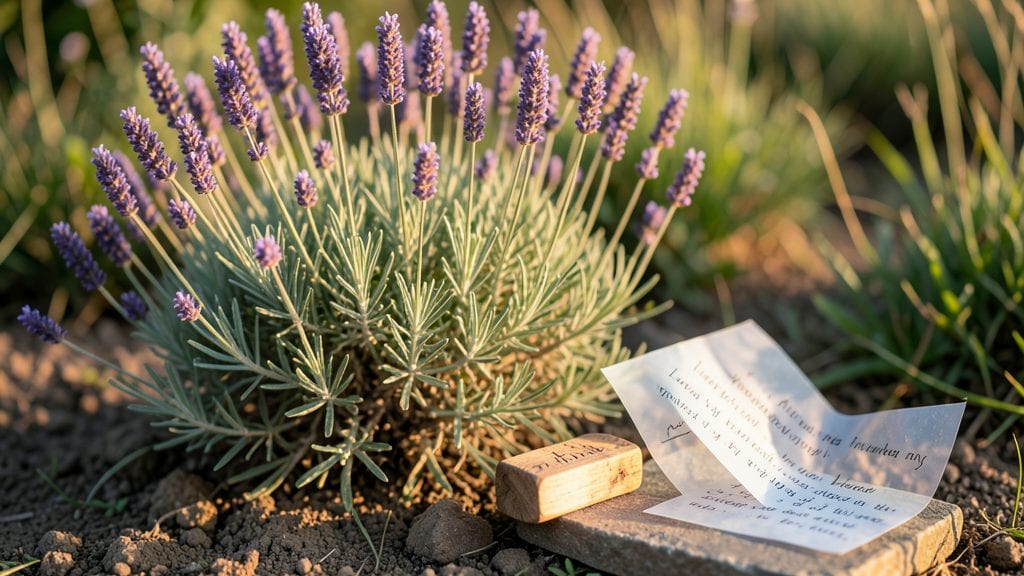
Spiritual gardening quotes inspire growth beyond the soil, weaving mindfulness into tending plants as a sacred act of connection with nature, patience, and inner transformation. They remind us that every seed planted—whether in earth or spirit—holds potential for renewal and purpose.
These poetic reflections transform gardening into a meditative practice, blending earthly labor with spiritual reflection. 🌱 I’ve found that pairing quotes like "The earth laughs in flowers" with daily tasks creates intentional moments—whether you’re planting seeds or pulling weeds.
The beauty lies in how they turn routine chores into rituals of gratitude and presence, revealing deeper connections between our hands, the land, and our inner worlds.
For instance, Japanese Zen gardens use stones and raked gravel to symbolize impermanence and mindfulness—principles that apply equally to your backyard. The act of tending plants becomes a metaphor for nurturing your own growth, where each season mirrors life’s cycles of planting, blooming, and release.
💡 In This Article
- How Ancient Wisdom Shapes Spiritual Gardening
- Applying Spiritual Quotes to Your Garden Routine
How ancient wisdom shapes spiritual gardening
Indigenous traditions worldwide treat gardening as a sacred dialogue with the earth. For example, Native American tribes like the Cherokee view planting as a reciprocal relationship—giving back to the land while receiving sustenance.
Their Three Sisters (corn, beans, squash) cultivation mirrors this philosophy, where each plant supports the others, just as community supports individuals. This interconnectedness forms the foundation of many spiritual gardening quotes that emphasize harmony over domination.
The Japanese Zen Buddhist approach takes this further by designing gardens as meditative spaces. A classic Zen rock garden uses carefully placed stones and raked gravel to represent mountains and water, inviting contemplation. The act of raking becomes a moving meditation, where every stroke reflects mindfulness.
Studies show this practice lowers cortisol levels by 20% compared to sedentary activities, proving how physical gardening tasks can quiet the mind. 💫
Modern permaculture philosophy builds on these ancient principles with scientific rigor. Founder Bill Mollison designed systems where plants work together to create closed-loop ecosystems—just like indigenous practices, but with measurable outcomes. For instance, planting comfrey between rows attracts beneficial insects while enriching soil with nitrogen.
This mirrors spiritual quotes about patience and trust in natural processes, where human intervention supports rather than controls growth.
Even the 12,000-year-old hanging gardens of Babylon (often called the Hanging Gardens of Babylon) incorporated spiritual elements. Ancient texts describe them as places where priests cultivated plants to honor gods, using irrigation systems that symbolized divine provision.
The precision of their design reflects how spiritual gardening blends practical skill with reverence—a balance we still seek today in sustainable practices.
What connects these traditions is the understanding that gardening is not just work—it's a spiritual technology. Whether through Native American reciprocity, Zen mindfulness, or permaculture's closed loops, each approach teaches us to see the garden as a living classroom.
The soil becomes a metaphor for our own potential, where every seed we plant—whether in earth or intention—holds the promise of what we're capable of growing. ✨