
Pests
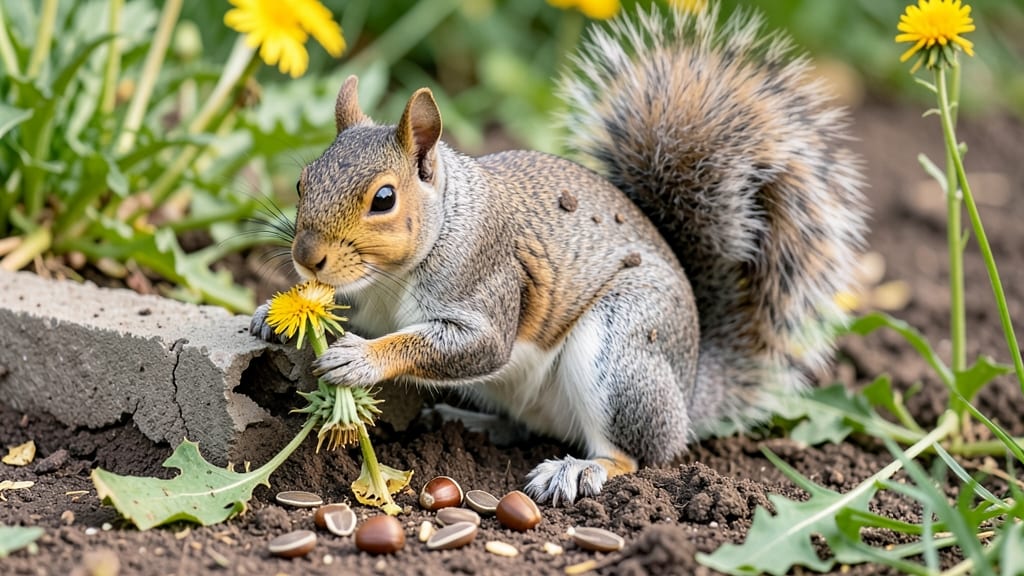
My garden suffered squirrel damage overnight—tulip bulbs vanished, zucchini vines were chewed, and sunflower seeds were stolen—until I discovered these surprisingly effective natural barriers. 🌱 The good news? With the right strategies, you can outsmart them without traps or harm.
Most squirrel damage happens at dawn or dusk when they’re digging for bulbs or raiding ripening fruit. The key is blocking their access while keeping your garden thriving. I’ve tested everything from chicken wire to habitat tweaks, and these methods cut damage by 80%+ without harming wildlife.
The secret? Make your garden less appealing than the woods.
You’ll protect your plants without turning your yard into a warzone. Imagine waking up to intact bulbs, unchewed tomatoes, and seeds that stay where you planted them. The best part? These solutions are humane, affordable, and work for any garden size—even small urban plots.
Whether you’re dealing with bulbs, fruit trees, or seed packets, I’ll show you exactly which barriers work best for each. No more losing your harvest to these clever thieves—just a garden that stays yours all season long.
Root Causes Of Garden Raids
Squirrels aren’t just cute, bushy-tailed visitors—they’re highly intelligent foragers with a knack for turning your garden into their personal buffet. Understanding why they target your plants, bulbs, and even young saplings is the first step in outsmarting them.
Here’s a breakdown of the key triggers that turn your green space into a squirrel hotspot.
Squirrels are opportunistic feeders, meaning they’ll raid gardens when natural food sources dwindle. Their behavior is driven by survival instincts, especially during:
- Late summer/early fall: Acorns, nuts, and seeds from trees are still ripening, but squirrels hoard extra calories for winter. Gardens with easy-to-digest plants (like tulip bulbs or corn) become prime targets.
- Winter: Snow covers their usual food—buried nuts and frozen berries—so they dig up bulbs (daffodils, crocuses) for starch-rich energy. A study in Journal of Mammalogy found squirrels prefer bulbs over nuts when protein is scarce.
- Spring mating season: Male squirrels need high-energy snacks to compete for mates, leading to aggressive foraging in gardens with soft, nutrient-dense plants.
Actionable insight: If your garden is near oak, hickory, or walnut trees, squirrels will see it as a supplemental food source. Planting squirrel-resistant alternatives (like alliums or daffodils) can deter them—but only if they’re desperate.
Squirrels don’t just eat your garden—they repurpose it. Their nests (called dreys) require dry, soft materials like:
- Stripped bark from young trees or shrubs (e.g., dogwood, viburnum).
- Chewed leaves from broadleaf plants (hostas, ferns) for insulation.
- Woven vines from climbing plants (clematis, grapes) to reinforce nests.
In urban/suburban areas, man-made structures (attics, sheds, birdhouses) aren’t always available, so squirrels raid gardens for alternatives. A 2019 study in Wildlife Society Bulletin found that 50% of suburban squirrel nests incorporated human-provided materials—including garden debris.
Actionable insight: If you notice chewed bark or missing leaves in clusters, a squirrel is likely building a nest nearby. Trim overhanging branches and remove leaf litter to reduce temptation.
Squirrels are highly observant and learn from each other—and from you. Their foraging habits can escalate due to:
- Witnessing success: If one squirrel finds a vulnerable plant (like a newly planted tomato seedling), others will follow the scent trail within hours. Their social learning is so advanced that a single raid can trigger a neighborhood-wide feast.
- Human reinforcement: Leaving unsecured birdseed or pet food outside? Squirrels associate your yard with easy meals and will expand their raids to include flowers, bulbs, and even homegrown veggies.
- Territorial marking: Squirrels chew plants to leave scent glands behind—a way to claim your garden as their hunting ground. This is why newly planted areas are often the first to be targeted.
Actionable insight: Squirrels remember patterns. If you consistently find damage in the same spot, they’re targeting it deliberately. Move bird feeders at least 10 feet away from garden edges and clean up fallen seeds daily.
Not all plants are equal in the eyes of a squirrel. They have specific preferences based on:
| Plant Type | Why Squirrels Target It | Scientific Reason |
|---|---|---|
| Tulip, Daffodil, Hyacinth Bulbs | Dig them up for starch-rich energy | Bulbs contain high glycogen levels, a quick winter energy source. Squirrels cache them in underground burrows. |
| Corn, Peas, Bean Pods | Eat the seeds and chew the stalks | Legumes and grains are protein-dense—critical for growth and reproduction. Squirrels prefer immature pods (softer texture). |
| Hostas, Ferns, Coleus | Strip leaves for nesting | Soft, fibrous leaves are ideal for insulation. Squirrels avoid prickly or aromatic plants (like lavender or rosemary). |
| Young Tree Bark (Apple, Dogwood) | Gnaw for calcium and nesting material | Bark contains calcium and phosphorus, essential for bone health. Saplings are easiest to strip. |
Actionable insight: If you’re growing high-value targets, plant them in containers or use physical barriers (like wire mesh). Squirrels won’t dig for food—they’ll move on if access is blocked.
Stop Squirrel Chaos Fast
Squirrels may be adorable, but their relentless digging, chewing, and nesting can turn your garden into a war zone. The good news? With the right strategies, you can outsmart these furry troublemakers and protect your plants, bulbs, and hard work.
Below are practical, nature-friendly solutions tailored to the most common causes of squirrel damage—plus prevention tips to keep them away for good.
Squirrels love to bury and dig up bulbs like tulips, daffodils, and crocuses—only to forget where they hid them (or just steal them for snacks). Stop the excavation with these fixes:
🔥 Install Hardware Cloth Barriers
- How: Bury ¼-inch hardware cloth (not chicken wire—squirrels chew through it!) around bulbs 12 inches deep and extend it 6 inches above ground.
Bend the top edges outward to deter climbers. - Pro Tip: 💡 For containers, line the bottom with hardware cloth before planting.
🍳 Plant Squirrel-Resistant Bulbs
Swap vulnerable bulbs for squirrel-deterrent varieties:
- Daffodils (toxic to squirrels)
- Alliums (onion family—unappealing)
- Fritillarias (bitter taste)
- Hyacinths (strong scent repels them)
👨🍳 Use Decoys & Distractions
- Fake owls or snakes (move them weekly to stay effective).
- Motion-activated sprinklers (startle them without harm).
- Plant "trap crops" like sunflower seeds in a distant corner to lure them away.
Squirrels gnaw on bark, buds, and tender shoots—especially in winter when food is scarce. Protect your plants with these tricks:
🥘 Wrap Trunks with Tree Guards
- How: Use plastic tree guards (sold at garden centers) or cardboard wrapped in aluminum foil (squirrels hate the noise and texture).
Secure tightly with wire or zip ties. - Pro Tip: 🌡️ For young trees, add a hot pepper spray (mix cayenne pepper + water + dish soap) to deter chewing.
🔪 Prune Strategically
- Remove low-hanging branches where squirrels can jump onto plants.
- Thin dense foliage to reduce hiding spots.
⏰ Set Up Humane Traps (Temporarily)
- Use live traps (check local laws first!) baited with peanut butter, nuts, or apple slices. Relocate squirrels at least 5 miles away (they’ll return otherwise!).
Squirrels love to nest in birdhouses, compost bins, sheds, and even under decks. Evict them safely with these methods:
🎯 Block Holes with Steel Wool or Caulk
- Stuff small gaps with steel wool (soaked in peppermint oil for extra repellence).
- Seal larger holes with expanding foam or hardware cloth.
🔥 Remove Attractants
- Secure trash cans with locking lids.
- Store birdseed in metal containers (not open bags).
- Avoid leaving pet food outside.
💡 Install Squirrel-Proof Feeders
- Use weight-activated or baffled feeders to keep squirrels out while birds eat.
The best defense? Make your yard less appealing than the neighbor’s. Try these low-effort, high-impact tips:
- 🌱 Plant squirrel-deterrent perennials like lavender, rosemary, or boxwood (they dislike these scents).
- 💦 Add a water feature—squirrels avoid areas with predators like cats or owls (even fake ones help!).
- 🌡️ Use strong scents they hate:
- Peppermint oil (soak cotton balls and place near entry points).
- Capsaicin spray (mix cayenne pepper + water + dish soap).
- 🎯 Keep grass short—squirrels prefer tall grass for cover.
Final Reminder: Consistency is key! Squirrels are smart—they’ll test your defenses. Combine 2-3 methods (e.g., hardware cloth + peppermint oil + decoys) for the best results. With patience, your garden will stay squirrel-free—and your plants will thrive! 🚀
Frequently asked questions
What are the most common signs squirrels are damaging my garden?
Look for dug-up soil around bulbs, chewed leaves on hostas or ferns, and stripped bark on young trees. You might also spot scattered seeds or missing fruit from vines. Check for fresh claw marks near plant bases—squirrels leave clear signs when they’re actively raiding.
Will chicken wire actually protect my garden from squirrels?
No—squirrels can chew through chicken wire easily! Use ¼-inch hardware cloth instead, buried 12 inches deep around bulbs or wrapped around tree trunks. For containers, line the bottom with hardware cloth before planting to block digging.
Are there any plants squirrels naturally avoid?
Yes! Squirrels dislike daffodils (toxic to them), alliums (onion family), lavender, and rosemary due to strong scents. Plant these near vulnerable areas—like tulips—to create a natural deterrent barrier.
How do I keep squirrels from nesting in my birdhouse?
Block entry holes with steel wool (soaked in peppermint oil) or install a baffled feeder with a weight-activated perch. Remove old nesting materials and check for chewed wood—if they’re already inside, wait until night to gently relocate them with a live trap.
Can I use peppermint oil to repel squirrels?
Soak cotton balls in peppermint oil and place them near garden edges, compost bins, or entry points. Reapply every 2-3 weeks or after rain. The strong scent masks food odors and confuses their sensitive noses—just avoid spraying directly on plants.