
Tools
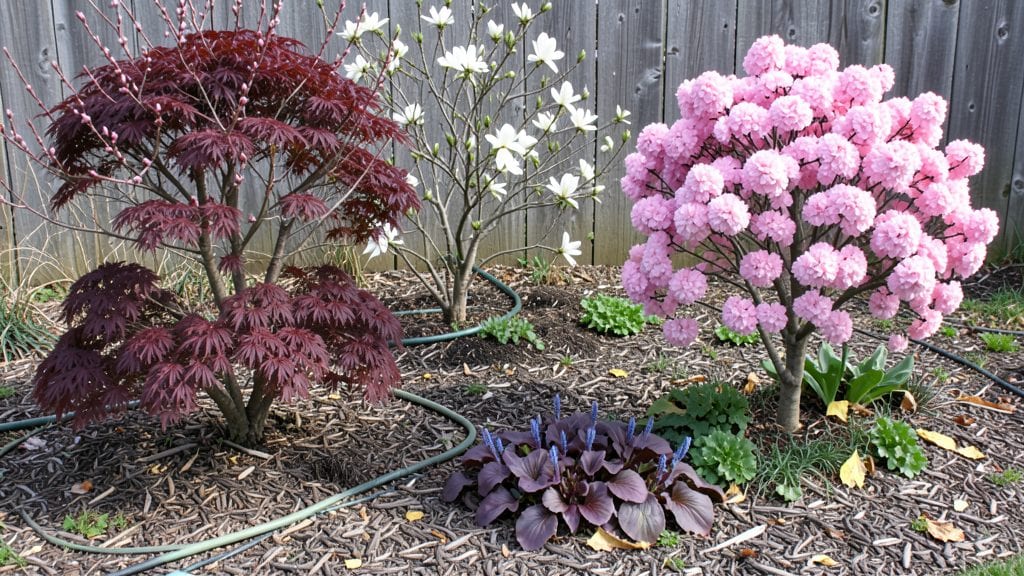
A tree garden bed turns wasted vertical space into a lush, productive corner that even tiny yards can envy. I designed mine after realizing my backyard’s narrow strip of sun-starved soil was begging for something taller—and I didn’t want to sacrifice my lawn.
The right trees can filter air, provide shade, and produce fruit or flowers while keeping roots contained in a defined bed.
Start with dwarf or columnar varieties like apple, cherry, or ornamental pear trees—they stay small enough for beds but still deliver big rewards. Pair them with low-growing perennials like lavender or thyme to fill gaps and deter weeds.
A 4-foot-deep bed gives roots room to spread without crowding nearby plants, and raised edges keep mulch from wandering. My favorite combo? A 2-gallon potted apple tree flanked by creeping thyme and ornamental grasses.
By summer, you’ll have a canopy that blocks harsh sun while adding privacy, plus edible or fragrant plants at eye level. The key is seasonal layering: plant spring bulbs beneath trees now, then add fall mums or winter pansies later.
Maintenance is minimal—just water deeply once a week and prune lightly in early spring. Neighbors will ask how you fit so much into so little space.
This works for urban balconies (use containers) or suburban backyards (dig in). The only rule? Avoid fast-growing trees like willows—they’ll outgrow your bed in five years. Stick to slow growers, and you’ll have a living room that doubles as a garden for decades. Let’s get planting!
📚 In This Guide
- What you need
- Instructions
- Tips and common mistakes
- Wrapping up and next steps
What you need
- ● Tree(s): 1-3 small, slow-growing trees (e.g., Dwarf Fruit Trees, Japanese Maple, or Ornamental Cherry). Choose based on your climate and space.
- ● Container or Raised Bed: A large, deep planter (minimum 18" deep x 24" wide) or a custom-built wooden/cedar box with drainage holes.
- ● Potting Soil: 6-8 cubic feet of high-quality, well-draining soil (mix in 20% compost for nutrients).
- ● Drainage Material: 2-3 inches of gravel, pebbles, or broken pottery at the bottom of the container.
- ● Mulch: 2-3 bags of organic mulch (e.g., wood chips or bark) to retain moisture and suppress weeds.
- ● Garden Gloves (1 pair) – Protect your hands from thorns or rough bark.
- ● Trowel or Spade – For planting and soil adjustments.
- ● Watering Can or Hose with Nozzle – A 1-gallon watering can works well for precision.
- ● Measuring Tape – Ensures proper spacing for roots and growth.
- ● Pruning Shears – For trimming new growth or shaping the tree.
- ● Tree Support Stakes – If planting a young, top-heavy tree.
- ● Slow-Release Fertilizer – A 10-10-10 NPK blend to boost early growth.
- ● Decorative Stones or Moss – For a polished, natural look around the base.
- ● Drip Irrigation Kit – Automates watering for busy gardeners.
- ● Solar-Powered Lights – Adds charm and highlights your tree garden at night.
Step-by-step guide to creating a tree garden bed
Turn vertical space into a lush, productive garden with this simple approach.
Choose the Right Location and Tree Varieties
Start by selecting a spot that gets at least 6 hours of sunlight daily—most fruit trees and ornamental varieties thrive in full sun. Avoid areas with heavy shade or poor drainage, as these can stunt root growth. For a 4-tree garden bed, I recommend dwarf or semi-dwarf varieties like apple, peach, or cherry trees, which stay compact yet produce abundantly.
Check your local climate zone to pick cold-hardy types. For example, in Zone 5, choose varieties labeled as winter-hardy. The key is balancing size with yield—smaller trees need less space but still require proper spacing. Plan for 8-10 feet between trees to allow roots to spread without competing for nutrients.
Prepare the Soil and Dig Planting Holes
Before planting, loosen the soil in your chosen area with a garden fork or tiller to a depth of 12-18 inches. This helps roots penetrate easily. Mix 3 gallons of compost into the top 6 inches of soil to improve fertility and drainage. If your soil is heavy clay, add 2 gallons of perlite to lighten it.
Dig 4 planting holes, each twice as wide as the root ball but no deeper. This prevents burying the graft union (the swollen area on the trunk) too deeply, which can weaken the tree. Place the holes in a square or triangular pattern for even spacing. Water the holes deeply 24 hours before planting to settle the soil.
Plant Trees at the Correct Depth and Stake for Support
Remove each tree from its container and gently loosen the roots if they’re circling. Place the tree in the hole so the graft union sits 1-2 inches above soil level. Backfill with native soil mixed with 1 gallon of slow-release fertilizer, tamping lightly to remove air pockets. Water immediately to settle the soil around the roots.
Install 3-foot stakes for each tree, positioning them 3 inches from the trunk on the windward side. Tie the tree to the stake with soft tree ties (not wire or plastic strips, which can girdle the trunk). Water deeply again to encourage root establishment. Mulch the base with 2 inches of wood chips, keeping it 6 inches away from the trunk to prevent rot.
Water and Maintain Through the First Season
For the first 30 days, water each tree twice weekly to keep the soil 2 inches deep consistently moist. After that, reduce to once weekly unless rainfall is scarce. Avoid overhead watering to prevent fungal diseases—use a soaker hose instead. Monitor soil moisture by sticking your finger 1-2 inches deep; if it feels dry, it’s time to water.
Prune only to remove dead or crossing branches in early spring. Avoid heavy pruning the first year, as it stresses young trees. Apply 1 gallon of balanced fertilizer (10-10-10) in early spring and again in midsummer. Watch for pests like aphids or mites—spray with neem oil if you spot them early.
Plan for Long-Term Growth and Productivity
As trees mature, thin out competing branches in late winter to improve airflow and fruit production. In years 3-5, you may need to prune for shape—remove suckers at the base and water sprouts to redirect energy to the main trunk. For fruit trees, thin excess fruit in early summer to prevent overburdening branches.
Rotate crops if adding other plants beneath the trees—choose shade-tolerant perennials like hostas or ferns. Mulch annually to maintain moisture and suppress weeds. With proper care, your 4-tree garden bed will yield fruit, shade, and beauty for decades.
Tips & tricks for perfect tree garden beds
Creating a thriving tree garden bed takes planning, but these tips will help you maximize your vertical space and ensure your trees grow strong and productive.
Location is Everything: The 6 hours of sunlight requirement is non-negotiable for most fruit trees. If your yard gets less than that, consider adding a south-facing wall or trellis to reflect additional light onto your trees. I've seen dramatic differences in growth when trees get even just 1-2 extra hours of sunlight—it can mean the difference between sparse fruit and a bountiful harvest.
Soil Prep Pays Off: When loosening soil to 12-18 inches deep, don't just scratch the surface—really dig down to break up compacted layers. For the 3 gallons of compost, consider mixing in some worm castings too—they add beneficial microbes that help roots establish faster. If your soil is particularly heavy, that 2 gallons of perlite will make a noticeable difference in drainage.
Staking Secrets: The 3-foot stakes should be positioned on the windward side, but don't just guess which way the wind blows most often. Observe your yard for a week before planting to identify the dominant wind direction. Also, use soft tree ties that will stretch as the tree grows—wire or plastic strips can actually cut into the bark over time.
Watering Wisdom: During those first 30 days, the twice-weekly watering schedule is crucial, but timing matters too. Water in the early morning so leaves have time to dry before evening. I've found that using a soaker hose not only prevents fungal diseases but also delivers water right to the roots where it's needed most, reducing waste.
Pro Tips for Tree Garden Bed
- Creating a thriving tree garden bed takes planning, but these tips will help you maximize your vertical space and ensure your trees grow strong and productive.
- Location is Everything: The 6 hours of sunlight requirement is non-negotiable for most fruit trees.
- Soil Prep Pays Off: When loosening soil to 12-18 inches deep, don't just scratch the surface—really dig down to break up compacted layers.
Frequently asked questions
Got questions about creating a tree garden bed? You’re not alone! Here are some common queries to help you get started with confidence.
What’s the best time of year to install a tree garden bed?
The ideal time is early spring or fall when temperatures are mild. This gives roots time to establish before extreme heat or cold. Avoid planting in summer—drought stress can harm young trees. If you’re in a warm climate, winter planting (with frost protection) can also work!
Can I use a tree garden bed for large trees, or is it only for small plants?
Tree garden beds are best for small trees, shrubs, or ornamental plants (up to 6–8 feet tall). For larger trees, opt for a raised planter with deeper soil (18+ inches) or a tree pit design. Always check the mature size of your tree to match the bed’s dimensions!
How often should I water a tree garden bed?
Water deeply 2–3 times per week in the first year, then taper to once a week once established (adjust for drought). Use a drip irrigation system or soaker hose to keep moisture consistent. Mulch (2–3 inches) helps retain water—just keep it away from the trunk to prevent rot.
What should I do if pests or diseases appear in my tree garden bed?
Start with preventive care: Inspect plants weekly for signs (chewed leaves, spots, wilting). Use neem oil or insecticidal soap for mild pests. For fungal issues, improve airflow and avoid overhead watering. If problems persist, consult a local nursery or arborist for targeted solutions.
Are there alternatives if I don’t have space for a traditional tree garden bed?
Try these space-saving options:
- Hanging planters: Perfect for herbs or small succulents near patios.
- Wall-mounted pockets: Use fabric grow bags for trailing plants like strawberries.
- Stackable planters: Tiered systems maximize vertical growth (e.g., lettuce + flowers).
- Window boxes: Ideal for sun-loving herbs or flowers.
Do I need special tools to maintain a tree garden bed?
Basic tools suffice! Keep these handy:
- A pruning shears for trimming.
- A long-handled trowel for weeding.
- A watering can with a rose attachment for gentle watering.
- Gloves to protect your hands from thorns or soil.
Wrapping up and next steps
Creating a tree garden bed is a game-changer for small yards—it maximizes space, boosts greenery, and adds beauty without sacrificing square footage. Whether you’re a beginner or a seasoned gardener, this vertical solution proves that big results come in compact packages. 🌿✨
Ready to transform your space? Start small—pick one tree or plant, gather your supplies, and let nature work its magic. Your future self (and your yard) will thank you!