Tools
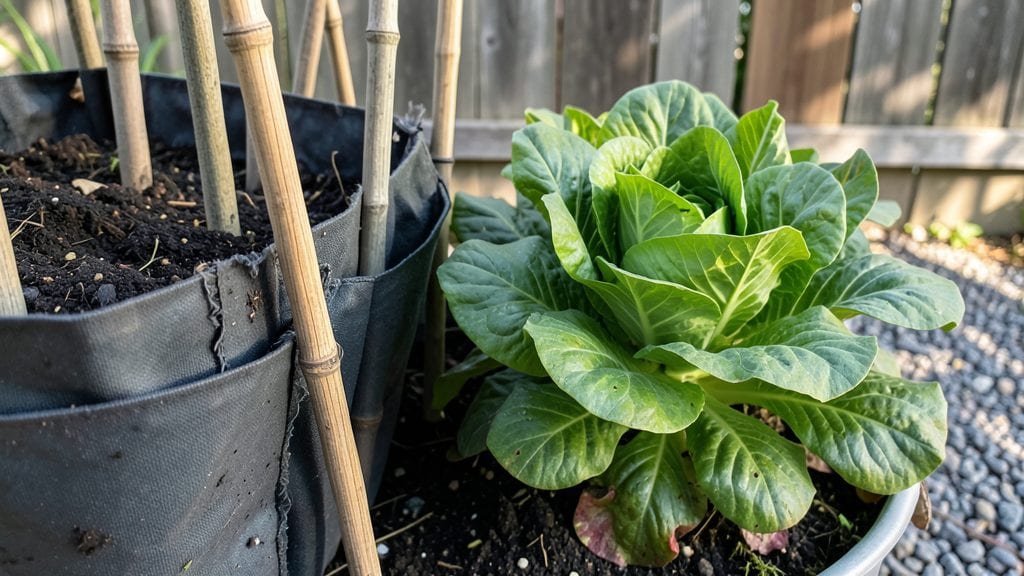
A vertical lettuce garden turns tiny balconies into salad factories. 🌿 I thought my 6-foot-wide patio would never grow anything but weeds—until I stacked lettuce in a repurposed bookshelf. The results? Fresh greens year-round without sacrificing square footage for a single raised bed.
You don’t need fancy equipment—just a sturdy frame, some pockets or slits for roots, and a watering system that keeps leaves crisp. My setup uses a $20 plastic wall planter with built-in pockets, but old gutters, pallets, or even hanging fabric bags work too.
The key is spacing: 6-8 inches between plants ensures they don’t crowd, and shallow roots mean you can water efficiently.
By summer, you’ll be harvesting crisp romaine and butter lettuce that tastes fresher than store-bought. The vertical design also keeps pests like slugs at bay, and the dappled shade from taller plants protects delicate leaves from scorching.
Plus, it’s the only garden that doubles as decor—neighbors will ask how you fit so much food in such little space.
Works in apartments, urban yards, or even a sunny windowsill. The only limit is how high you’re willing to stack your greens. Let’s get growing upward!
📚 In This Guide
- What you need
- Instructions
- Tips and common mistakes
- Wrapping up and next steps
What you need
- ● Vertical Garden Structure: Wooden pallet (1-2, depending on size) OR
- ● PVC pipes (4-6, 4-inch diameter, 4-foot length) OR
- ● Hanging fabric pocket planters (10-15 pockets, 6-inch deep)
- ● Growing Medium: Potting soil (2-3 bags, 10-15 lbs each) OR
- ○ Coconut coir or hydroponic growing medium (optional for soilless setups)
- ● Lettuce Seeds or Seedlings: Lettuce seeds (1 packet, ~50 seeds) OR
- ● Young seedlings (10-12 plants, leaf or romaine varieties recommended)
- ● Watering Supplies: Watering can (1, with a fine rose attachment) OR
- ○ Drip irrigation kit (optional, for automated watering)
- ● Extras for Success: Fertilizer (balanced liquid or slow-release granules)
- ● Spray bottle (for misting seedlings)
- ● Twine or zip ties (to secure plants if needed)
- ● Pruning shears (small pair for harvesting)
- ● ✅ Sunlight: Ensure your garden gets 4-6 hours of direct sunlight daily (south-facing windows or grow lights work too!).
- ● ✅ Drainage: Drill holes in containers or pallets if not pre-drilled to prevent root rot.
- ● 💡 Pro Tip: Use self-watering fabric pockets if you travel often—they retain moisture longer!
- ● 🌡️ Climate Note: Lettuce thrives in cool temperatures (50-75°F). Avoid placing in direct heat sources.
Step-by-Step instructions for building a vertical lettuce garden
Here's how to create a thriving vertical lettuce patch that fits snugly in tight spaces.
🪴 Step 1: Choose and Prepare Your Vertical Structure
Select a 4-foot-tall vertical planter with 12-16 pockets (like a wall-mounted fabric pocket system or a tiered wooden frame). I like the fabric versions because they're lightweight and let you see soil moisture levels through the pockets. If using wood, line the bottom with landscape fabric to prevent soil from falling through gaps.
Clean the structure thoroughly with a 10% vinegar solution to kill any existing mold or bacteria. Rinse well and let it dry completely before adding soil. This prevents fungal issues that can rot lettuce roots before they even establish. For wooden frames, sand rough edges to avoid splinters that could damage tender leaves.
🌱 Step 2: Fill Pockets with Quality Growing Medium
Fill each pocket with 2-3 cups of seed-starting mix per pocket (adjust slightly if pockets vary in size). Press the mix down gently—just enough to eliminate air pockets but not so firm it becomes compacted. I use a small hand tamper or my fingers to create a level surface in each pocket.
Moisten the mix until it feels like a damp sponge—not dripping but holding together when squeezed. Overwatering now will cause the mix to settle unevenly, leaving pockets too dry at the bottom. For best results, water from the bottom up by placing the entire structure in 1 inch of water for 10 minutes before planting.
☀️ Step 3: Plant Lettuce Seeds or Transplants
Sow 3-4 lettuce seeds per pocket at a depth of ¼ inch, spacing them evenly. If using transplants, place one 4-inch seedling per pocket. I prefer buttercrunch or romaine varieties for vertical growing—they stay compact and don't flop over. Cover seeds lightly with additional mix, then mist gently with water until the surface looks uniformly damp.
Label each pocket with the variety and planting date—lettuce grows fast, and you'll want to harvest before it bolts. Keep the structure in a shaded area for the first 3-5 days to prevent seeds from drying out. Once seedlings emerge, move to partial sun (4-6 hours daily) for optimal growth.
💧 Step 4: Water and Maintain for Continuous Harvests
Water when the top inch of soil feels dry—usually every 2-3 days in warm weather or every 4-5 days when cooler. I use a watering can with a gentle shower nozzle to avoid dislodging soil or damaging leaves. Water in the early morning so foliage dries quickly, reducing fungal risks.
Fertilize lightly every 3 weeks with a balanced liquid fertilizer (like 10-10-10) diluted to half strength. Lettuce is a light feeder, and too much fertilizer causes bitter leaves. Thin seedlings to one strong plant per pocket when they reach 2 inches tall, using scissors to avoid disturbing roots.
✂️ Step 5: Harvest Outer Leaves for Extended Production
Start harvesting outer leaves when they reach 3-4 inches long—this encourages the plant to produce more leaves. Use clean scissors to cut just above a leaf node, leaving the inner rosette intact. You'll get continuous harvests for 6-8 weeks per planting, depending on the variety.
If leaves turn bitter or bolt (send up flower stalks), it's time to replace the plants. I like to succession-plant every 2 weeks for a steady supply. Store harvested leaves in a plastic bag with a paper towel in the fridge—they'll stay crisp for up to 10 days.
Tips & tricks for perfect vertical lettuce gardens
Here's what I've learned after growing vertical lettuce gardens in tight spaces for years—these tricks make all the difference.
Structure Selection: Fabric pocket systems are my go-to because they're lightweight and let you monitor soil moisture through the translucent material. For wooden frames, I always reinforce the bottom with landscape fabric to prevent soil from slipping through gaps. If you're using a DIY wooden frame, add extra support brackets—nothing's worse than watching your entire structure sag halfway through the season.
Soil Preparation: That 10-minute bottom-watering trick in Step 2 is a game-changer. It ensures even moisture distribution without overwatering the top layer. I like to add a handful of perlite to each pocket's seed-starting mix to improve drainage—lettuce roots need air too! And here's a pro move: mix in a small amount of compost when filling pockets for extra nutrients without overdoing it.
Sunlight Strategy: The 3-5 days of shade in Step 3 is crucial for preventing seedling stress. I've found that placing the structure near a north-facing window works well for indoor setups. Once you move to partial sun, rotate the structure every 2-3 days so all pockets get equal light exposure—this prevents lopsided growth and ensures consistent harvests across your entire garden.
Harvesting Hack: When harvesting those 3-4 inch outer leaves, I always cut at a slight angle just above a leaf node. This encourages the plant to produce more leaves while keeping the cuts clean. Store harvested leaves in a single layer on a paper towel-lined tray in the fridge—they'll stay crisp longer than if you pack them tightly in a bag.
Pro Tips for Vertical Lettuce Garden
- Here's what I've learned after growing vertical lettuce gardens in tight spaces for years—these tricks make all the difference.
- Structure Selection: Fabric pocket systems are my go-to because they're lightweight and let you monitor soil moisture through the translucent material.
- Soil Preparation: That 10-minute bottom-watering trick in Step 2 is a game-changer.
Frequently asked questions
Got questions about your vertical lettuce garden?
Here are some of the most common ones—and their practical answers—to help you grow like a pro!
How much sunlight does a vertical lettuce garden need?
Most leafy greens like lettuce thrive with 4–6 hours of direct sunlight daily. If your space is shady, opt for buttercrunch or romaine, which tolerate lower light better. South- or west-facing walls are ideal, but a grow light (LED or fluorescent) works indoors for 12–14 hours/day.
How often should I water a vertical lettuce garden?
Check moisture daily—lettuce prefers consistently damp (not soggy) soil. Water early in the morning to reduce evaporation, and aim for 1–1.5 inches per week. Vertical setups dry faster, so drip irrigation or self-watering systems are a game-changer. Pro tip: Mist leaves occasionally to boost humidity and deter pests.
How long does it take for lettuce to grow in a vertical garden?
Leaf lettuce (like arugula or baby greens) matures in 30–45 days, while head varieties (like romaine) take 60–80 days. Harvest outer leaves first to encourage regrowth—this "cut-and-come-again" method extends your harvest by weeks! Chilly weather? Growth slows; aim for 50–70°F for best results.
What’s the best alternative if I don’t have a vertical garden?
No vertical space? No problem! Try these space-saving swaps:
- Window boxes or hanging pots (use 6–12" deep containers).
- Straw bale gardens—just add soil and plant!
- Grow bags or fabric pots (prevent root circling).
- Indoor hydroponics (fast growth, no soil mess).
Why are my lettuce leaves turning yellow or wilted?
Yellow leaves usually mean overwatering or nutrient deficiency (try a balanced fertilizer like 10-10-10). Wilting? Check for:
- Underwatering (soil should feel like a damp sponge).
- Root rot (ensure pots have drainage holes).
- Pests (aphids or slugs—spray with soapy water or neem oil).
- Heat stress (provide afternoon shade in hot climates).
Wrapping up and next steps
A vertical lettuce garden isn’t just a clever way to grow fresh greens—it’s a game-changer for small spaces, urban dwellers, and anyone craving a sustainable, low-maintenance harvest. 🌱 Whether you’re a beginner or a seasoned gardener, this method proves that green thumbs don’t need greenhouses to thrive.
With the right setup, you’ll enjoy crisp, homegrown lettuce in weeks, all while transforming your balcony, patio, or even a sunny windowsill into a productive oasis.
Ready to dive in? Start by sketching your design, gathering your materials, and planting your first batch—your future salads (and neighbors) will thank you! 🥬✨