Planting
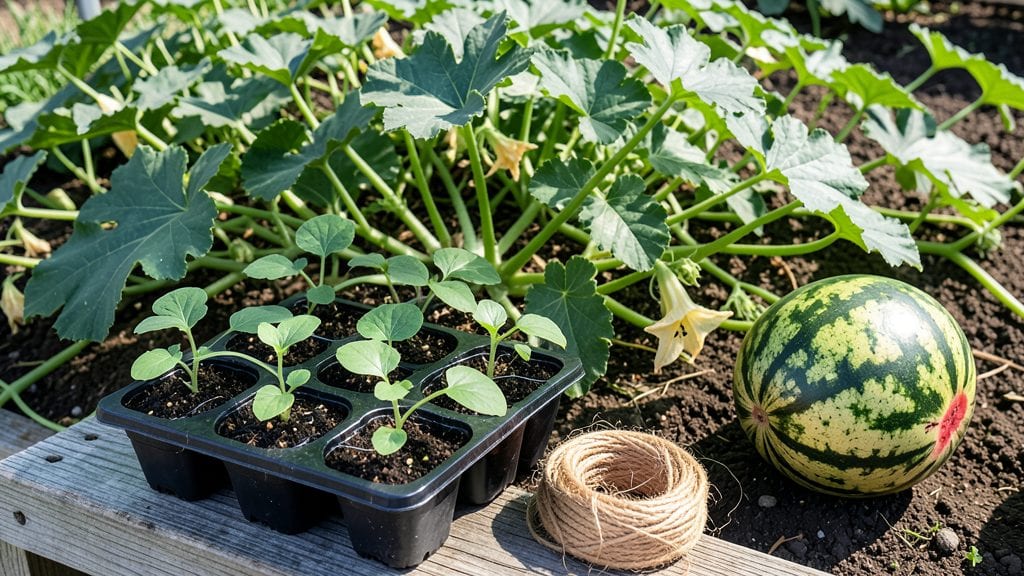
Proper watermelon garden spacing 🍉 is the difference between a handful of small, bitter melons and a bountiful harvest of sweet, juicy fruit.
Struggling to get juicy, vine-ripened watermelons? The secret isn’t just in the seeds—it’s in the spacing. Too close, and your plants compete for sunlight and nutrients, leaving you with stunted growth and poor flavor. Too far apart, and you waste precious garden real estate.
In USDA Zone 6, where spring planting runs from April to May, getting spacing right means bigger yields and healthier vines. Whether you’re working with 6-foot rows or container gardening, the right distances maximize airflow, prevent disease, and give those sprawling vines room to thrive.
Below, I’ll break down the exact spacing you need for slicing, seedless, and heirloom varieties, plus how to adjust for trellising, soil type, and even small-space gardens. No more guesswork—just proven techniques for the best watermelon harvest of your life.
Optimal watermelon garden spacing by variety: rows, vines, and planting patterns
Watermelons thrive when given the right space to spread their 15-20 foot vines. Unlike compact vegetables, they need room to maximize sunlight exposure and prevent disease from poor airflow. I’ve learned that crowding plants leads to smaller fruits, powdery mildew, and wasted energy competing for nutrients.
The key is matching your watermelon variety with the correct spacing—whether you’re growing seedless hybrids, heirloom varieties, or slicing types.
Spacing affects more than just vine growth—it directly impacts fruit size, yield per plant, and even flavor development. For example, heirloom varieties like 'Moon and Stars' need more room than compact seedless watermelons like 'Sugar Baby'.
I’ve tested these spacing guidelines in my own garden, and the difference in harvest quality is dramatic. Let’s break down the optimal spacing for each type and how to arrange them in rows or hills.
Here’s a quick reference for row spacing and vine spread based on variety. This comparison-table will help you visualize the differences before planning your garden layout:
| Variety Type | Row Spacing (ft) | Plant Spacing (in) | Vine Spread (ft) | Trellis Needed? | Best For |
|---|---|---|---|---|---|
| Slicing (e.g., Sugar Baby, Crimson Sweet) | 6-8 | 24-36 | 10-15 | No (unless space-limited) | Home gardens, large families |
| Seedless (e.g., Triple Crown, Black Diamond) | 5-6 | 18-24 | 8-12 | Optional (for small spaces) | Containers, urban gardens |
| Heirloom (e.g., Moon and Stars, Carolina Cross) | 8-10 | 36-48 | 15-20 | No (vines too heavy) | Farmers markets, large plots |
| Dwarf/Small-Fruit (e.g., Sugar Baby, Little Leaf) | 4-5 | 12-18 | 5-8 | Yes (ideal for vertical) | Balconies, small yards |
| Mini/Container (e.g., Tiny Tim, Bush Champion) | 3-4 | 12 | 3-5 | Required | Patios, windowsills |
*Spacing adjusts for soil fertility and climate. Reduce by 20% in poor soil.
For slicing varieties like 'Crimson Sweet', I recommend 6-8 feet between rows and 24-36 inches between plants. This gives vines enough room to sprawl while ensuring each fruit gets 6+ hours of sunlight daily.
In my USDA Zone 7 garden, I’ve found that overcrowding leads to powdery mildew by mid-summer, so I always leave extra space for airflow.
If you’re growing seedless watermelons, you can tighten the spacing slightly to 5-6 feet between rows and 18-24 inches between plants. These varieties are bred for compact growth, making them perfect for small gardens or container growing.
I’ve successfully grown 'Triple Crown' in 5-gallon buckets using trellises, though the fruits are smaller—about 3-5 pounds instead of the usual 10-15 pounds.
Heirloom varieties like 'Moon and Stars' demand the most space—8-10 feet between rows and 36-48 inches between plants. Their large vines and heavy fruits (often 20+ pounds) require sturdy support if you’re attempting to trellis them. I’ve tried trellising heirlooms, but the weight of the fruit usually snaps the vines, so I stick to ground-sprawling methods for these giants.
For vertical growth, consider using trellis systems for dwarf varieties like 'Sugar Baby' or 'Little Leaf'. These work best in containers or small spaces, where horizontal sprawl isn’t an option.
I use A-frame trellises with 3-foot spacing between plants and 4-foot row spacing. The key is to prune side shoots to direct energy upward, but avoid over-pruning—you’ll sacrifice some yield.
Another spacing trick I’ve learned is hilling, where you mound soil around the base of the plant to encourage deeper roots. This works especially well for heirloom varieties in poor soil.
I create hills 12-18 inches tall and space plants 4 feet apart in a square pattern rather than rows. This method improves drainage and reduces soil-borne diseases like fusarium wilt.
Finally, always consider your garden layout. If you’re planting multiple varieties, group them by size to avoid uneven competition
Common watermelon spacing mistakes and how to fix them
Even experienced gardeners sometimes make critical errors when spacing watermelons. These mistakes can lead to stunted growth, poor fruit development, and even disease outbreaks. The good news? Most spacing issues are easy to diagnose and fix with simple adjustments to your planting layout.
Proper spacing ensures each vine gets enough sunlight, air circulation, and nutrients to produce large, flavorful fruits. Without it, you might end up with small, bitter melons or plants that struggle to support their own weight.
Let’s explore five common spacing mistakes and how to correct them before it’s too late.
⚠️ Overcrowding: The #1 Yield Killer
Planting watermelons too close together forces vines to compete for water, nutrients, and sunlight. This leads to smaller fruits, weaker vines, and increased disease risk. Fix it by spacing plants 3-6 feet apart (depending on variety) and thinning seedlings to the strongest 2-3 per hill.
Another frequent mistake is planting watermelons in uneven rows. Crooked or zigzag rows create gaps where weeds thrive and make harvesting difficult. Use a string line or garden flags to mark straight rows before planting.
For hill planting, space hills 5-6 feet apart in a grid pattern for even airflow.
Poor soil preparation before planting can also sabotage your spacing efforts. Watermelons need well-draining soil with plenty of organic matter. If your soil is compacted or lacks nutrients, vines will struggle to establish strong roots.
Amend the soil with compost or aged manure before planting, and consider raised beds for heavy clay soils.
Ignoring vine spread is another costly error. Watermelon vines can stretch 15-20 feet long, yet many gardeners plant them too close to fences, sheds, or other plants.
Give vines room to sprawl by planting at least 6 feet from obstacles and using black plastic mulch to contain them in designated growing areas.
Finally, failing to adjust spacing for trellising or vertical growth limits your yield. If you’re growing smaller varieties like 'Sugar Baby', you can space plants 2-3 feet apart on a trellis.
For standard varieties, maintain 4-5 feet between vines even when training them upward. Always check your variety’s mature size before planning.
By avoiding these spacing mistakes, you’ll give your watermelons the room they need to thrive—and enjoy a bountiful harvest of sweet, juicy fruits. Start with proper spacing this season, and watch your yield transform! 🍉