
Tools
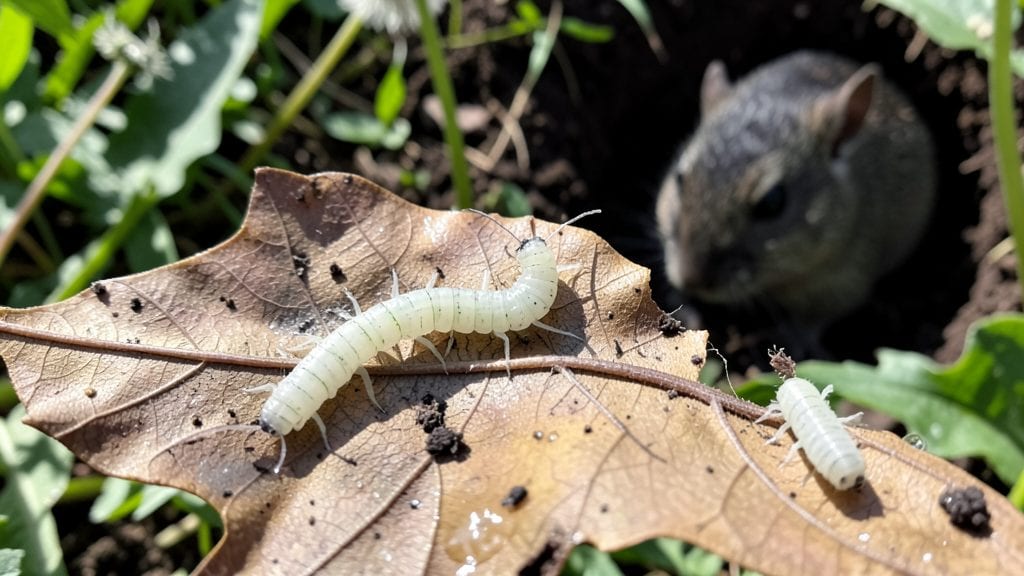
White bugs garden invaders like aphids and whiteflies can turn your lush plants into sticky messes overnight. 🌿 I’ve battled these pests for years, and I finally cracked the code with humane traps that actually work—no harsh chemicals needed.
The key is understanding their behavior and using what they crave against them.
Most white bugs are drawn to yellow sticky traps or soapy water sprays, but the real trick is timing. Set traps near affected plants in the morning when bugs are most active, and you’ll see them vanish within days.
I’ve even used simple DIY traps made from plastic bottles and dish soap—no fancy equipment required.
What you’ll get is a garden where pests don’t stand a chance. Plants stay healthy, leaves stay clean, and you avoid the guilt of killing beneficial insects. The best part? These methods work for vegetables, flowers, and houseplants alike—no more sacrificing your entire garden for a few bugs.
Works in any climate, whether you’re dealing with aphids in spring or whiteflies in summer. Let’s get those pests outsmarted for good!
Root Causes Of Tiny White Invaders
Those tiny white bugs swarming your garden aren’t just random pests—they’re often drawn in by specific conditions that make your plants look like an all-you-can-eat buffet. Understanding why they show up is the first step to outsmarting them without harsh chemicals. Let’s break down the science behind their uninvited visits.
Many white garden pests—like fungus gnats, whiteflies, or mealybugs—thrive in damp, soggy conditions. Here’s why:
- Fungal Feasts: Overwatering creates the perfect environment for fungal growth, which attracts fungus gnats. Their larvae need moist soil to survive, often burrowing into roots.
- Stagnant Water: Potted plants with poor drainage or saucers full of standing water become breeding grounds. Whiteflies, for example, lay eggs in damp leaf axils or under mulch.
- Root Stress: Excess moisture weakens plant roots, making them more vulnerable to pests that feed on sap or decomposing organic matter.
Pro Tip: 🌡️ Let the top 1–2 inches of soil dry out between waterings. Use well-draining pots and avoid watering foliage directly to deter moisture-loving pests.
Stressed plants are like neon signs for pests. When your garden’s defenses are down, white bugs move in for the easy meal. Common triggers include:
- Nitrogen Deficiency: Yellowing leaves (chlorosis) signal nitrogen starvation, making plants less resilient. Mealybugs and aphids target these weakened hosts.
- Phosphorus/Potassium Imbalance: Poor root health or slow growth (from lack of P/K) attracts sap-suckers like whiteflies, which thrive on easy-to-access plant fluids.
- Over-Fertilization: Too much synthetic fertilizer burns roots, creating entry points for pests. Organic matter breakdown also attracts fungus gnats.
Action Step: 💡 Conduct a soil test and amend with compost or balanced organic fertilizer. Strengthen plants with neem oil or insecticidal soap before pests arrive.
White bugs often spike during specific weather patterns. Here’s the science behind their seasonal behavior:
| Pest Type | Peak Season | Why They Strike |
|---|---|---|
| Whiteflies | Spring–Fall (warmer months) | They reproduce rapidly in temperatures above 65°F (18°C). Greenhouse conditions accelerate their lifecycle. |
| Mealybugs | Indoor plants year-round; outdoors in dry heat | Low humidity and heat stress plants, making them more attractive. They also spread via contaminated tools or new plants. |
| Fungus Gnats | Year-round indoors; spring outdoors | Moist, warm soil (ideal for fungal food sources) triggers egg-laying. Greenhouses or shaded areas worsen the problem. |
Climate Hack: ✨ Use row covers in early spring to disrupt whitefly mating. For indoor plants, increase airflow with fans to reduce humidity.
Sometimes, the problem isn’t your garden’s fault—it’s yours. Here’s how humans accidentally introduce white bugs:
- Dirty Tools: Pruners, trowels, or even your hands can transfer mealybugs or scale insects from infested to healthy plants. These pests hide in crevices and hitchhike easily.
- Unquarantined New Plants: Many garden centers sell infested stock. Mealybugs and whiteflies often hide in leaf axils or undersides, making them hard to spot.
- Compost or Mulch Contamination: Fresh compost can harbor fungus gnat eggs or larvae. If not properly aged, it becomes a pest magnet.
Prevention Rule: 🔥 Always disinfect tools with rubbing alcohol (70%+). Quarantine new plants for 2–4 weeks before introducing them to your garden.
Now that you know why these tiny white troublemakers show up, the next step is turning the tables with humane traps and prevention tactics. Stay tuned!
Natural Ways To Outsmart Garden Pests
White bugs in your garden—whether they’re aphids, mealybugs, or scale insects—can feel like an unwelcome invasion. But before reaching for harsh chemicals, try these humane, eco-friendly solutions tailored to the root cause. Each method is designed to be easy, effective, and kind to your plants (and the planet).
Aphids multiply fast and leave sticky residue (honeydew), weakening plants. These pests thrive in crowded, stressed foliage.
🔥 How to Fix It:
- 🍳 Blast Them Off with Water Use a strong stream of water from your hose to knock aphids off leaves. Repeat every 2–3 days until they’re gone. Best for: Young infestations on broadleaf plants like roses or basil.
- 👨🍳 Introduce Beneficial Insects Ladybugs, lacewings, and parasitic wasps love aphids. Buy them online or attract them naturally with dill, fennel, or marigolds in your garden. Pro tip: 🌡️ Release them in the early morning or evening when temps are mild.
- 🥘 Soapy Water Spray (Gentle but Powerful) Mix 1 tsp mild castile soap with 1 quart water in a spray bottle. Test on a small leaf first—soap can burn tender plants. Spray directly on pests (avoid flowers). Repeat every 5–7 days.
💡 Prevention Tips: ✨ Encourage airflow by pruning crowded plants. ✨ Neem oil spray (1 tbsp neem oil + 1 tsp soap per quart water) deters eggs from hatching. ✨ Reflective mulch (aluminum foil or silver plastic) confuses aphids with its glare.
These waxy, cotton-like pests hide in crevices and suck sap, causing yellowing leaves and stunted growth.
🔪 How to Fix It:
- ⏰ Scrape Them Off Manually Use a soft toothbrush dipped in rubbing alcohol to wipe away mealybugs. Focus on leaf undersides and stems. Best for: Small, isolated outbreaks.
- 🌡️ Heat Treatment (DIY Solar Trap) Fill a black plastic bag with infested cuttings, seal it tightly, and leave it in the sun for 2–3 days. The heat kills eggs and adults without chemicals.
- 🎯 Systemic Neem Oil Drench Mix 2 tbsp neem oil + 1 tsp soap in a gallon of water. Water the soil (not just leaves) to reach hidden pests. Repeat weekly until no more bugs appear.
💡 Prevention Tips: ✨ Inspect new plants before bringing them home—quarantine for a week. ✨ Prune heavily infested branches and dispose of them in a sealed bag. ✨ Encourage predatory mites (like Hypoaspis miles)—they feast on mealybug eggs.
These tiny, moth-like bugs flutter when disturbed and excrete honeydew, attracting sooty mold.
🕸️ How to Fix It:
- 🕯️ Yellow Sticky Traps Hang yellow cards coated with petroleum jelly near plants. Whiteflies are drawn to yellow and get stuck. Best for: Greenhouses or severe infestations.
- 🌿 Companion Planting Trick Plant basil, garlic, or dill nearby—whiteflies hate the scent. Bonus: These herbs repel other pests too!
- 💨 Fan Them to Fatigue Place a small fan on low speed near plants for 10–15 minutes daily. Whiteflies can’t fly in strong airflow, making them easy targets for predators.
💡 Prevention Tips: ✨ Remove old leaves where eggs hide. ✨ Avoid over-fertilizing—whiteflies love soft, nitrogen-rich growth. ✨ Rotate crops to disrupt their life cycle.
🌱 Final Pro Tip: Combine methods for best results! For example:
- Day 1: Blast aphids with water.
- Day 3: Release ladybugs.
- Weekly: Spray neem oil as prevention.
With patience and persistence, your garden will bounce back stronger—and those white bugs won’t stand a chance! 🚫🐞
Frequently asked questions about garden white bugs
Why do white bugs suddenly appear in my garden?
White bugs like aphids or whiteflies often strike when plants are stressed from overwatering, poor drainage, or nutrient deficiencies. They thrive in warm, humid conditions and target weak foliage. Check for yellowing leaves or sticky residue (honeydew) as key signs they’ve moved in.
Are yellow sticky traps safe for other beneficial insects?
Yes, but place them strategically near infested plants to catch whiteflies or aphids first. Avoid placing traps near flowers or herbs that attract pollinators like bees. For extra safety, use yellow cards with petroleum jelly—they’re highly effective for white bugs while sparing beneficial insects.
How do I tell if my white bugs are harmless or harmful?
Most white bugs in gardens are pests: aphids leave curled leaves, mealybugs create cottony masses, and whiteflies flutter when disturbed. Harmless white bugs (like certain moths) don’t cluster on plants or damage foliage. Always check for sticky residue or wilting as red flags.
Can neem oil harm my plants if I use it too often?
Neem oil is safe when used correctly, but apply it every 7–10 days max to avoid stressing plants. Always mix with water and a drop of soap as an emulsifier. Test on a small leaf first—some sensitive plants (like citrus) may react. For prevention, alternate with soapy water sprays.
What’s the fastest way to stop a mealybug outbreak?
Combine manual removal (wipe with rubbing alcohol on a cotton swab) with a systemic neem oil drench (2 tbsp neem + 1 tsp soap per gallon of water). Focus on leaf undersides and stems where they hide. Repeat weekly until no signs remain. For severe cases, isolate heavily infested plants.