
Tools
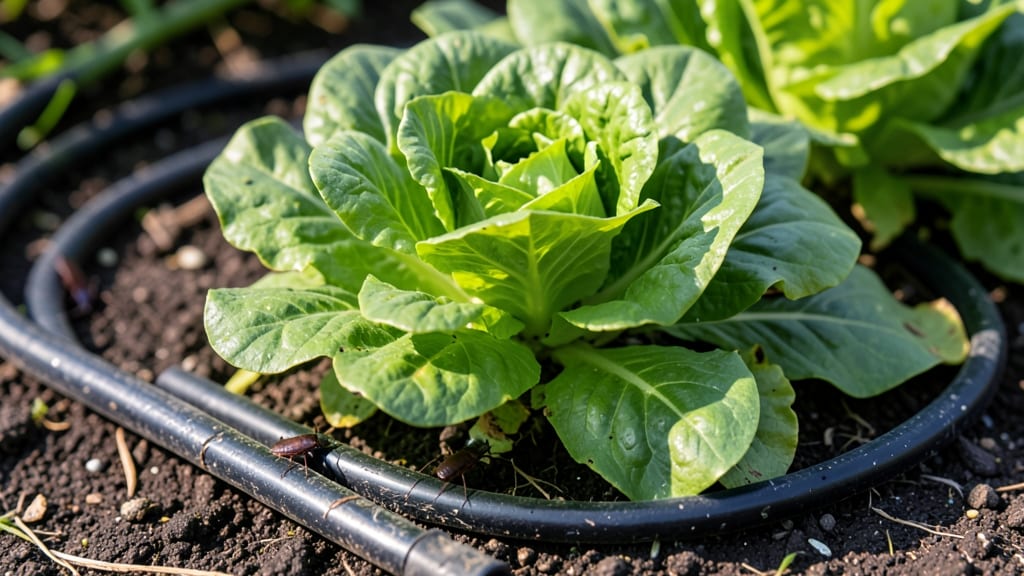
Finding cockroaches in your garden isn’t just gross—it’s a sign your plants might be next. 🌱 These pests don’t eat foliage, but they chew through roots and spread bacteria that weaken soil and crops. The good news? Humane traps and simple prevention can clear them out in days, not weeks.
Most infestations start with moisture and debris—leaving mulch piles or overwatering turns your garden into a cockroach buffet. I’ve used borax-soy flour bait stations (non-toxic to pets) and vinegar traps to eliminate them without chemicals. The key is acting fast before they multiply.
Within 24-48 hours, you’ll see fewer scurrying shadows near the foundation or under pots. Keep the area dry, clear leaf litter, and add diatomaceous earth around plant bases as a barrier. Your garden stays pest-free without harming pollinators or soil life.
Works for veggie beds, flower gardens, and potted plants—no matter the size. Here’s how to set up traps that actually work the first time.
Hidden Attractants Drawing Them In
Cockroaches in your garden aren’t just random visitors—they’re following a scent trail straight to your yard. Understanding what’s luring them helps you eliminate the problem at its source. Here’s why these pests keep showing up, and what’s making your garden their new favorite hangout.
Cockroaches are scavengers, and if your garden has easy access to food, they’ll move in fast. Here’s what’s likely attracting them:
- Pet food: Left-out kibble, wet food, or even spilled treats create a buffet. Cockroaches can detect food odors from yards away, especially German and American cockroaches.
- Compost piles: While compost is great for your garden, it’s also a magnet for cockroaches. Overly moist or rotting organic matter (like fruit peels, coffee grounds, or yard waste) emits smells that signal an all-you-can-eat feast.
- Fallen fruit or veggies: Overripe tomatoes, dropped apples, or even watermelon rinds left on the ground are like neon signs for cockroaches. They’ll strip them down in hours.
- Bird feeders or fallen seeds: Spilled birdseed or cracked nuts under feeders create a high-protein snack for cockroaches. Plus, the sugar attracts other pests that cockroaches prey on—making your garden a cockroach hotspot.
💡 Pro Tip: Store pet food in sealed metal containers, clean up fallen fruit immediately, and avoid overwatering compost piles. If you compost, turn it regularly to reduce moisture and odors.
Cockroaches thrive in environments with high humidity and warmth. If your garden offers these conditions, they’ll treat it like a five-star hotel. Here’s what’s making it irresistible:
- Woodpiles or mulch: Stacked firewood, loose mulch, or even that old wooden fence post are perfect hiding spots. Cockroaches love to nest in crevices where they can stay hidden during the day and emerge at night to forage.
- Leaky hoses or irrigation systems: Dripping sprinklers or poor drainage create damp microclimates. Cockroaches need moisture to survive, and standing water or soggy soil is a green light for them to set up camp.
- Rocks or debris piles: A pile of bricks, stones, or even that old flowerpot you tossed aside can become a cockroach condo. They’ll squeeze into tiny gaps and lay eggs in the safety of these hiding spots.
- Thick ground cover or dense plants: Overgrown ivy, tall grass, or leaf litter provide both shelter and a food source (like decaying plant matter). Cockroaches will nest here and stay hidden until they’re ready to raid your garden at night.
🔥 Action Step: Reduce hiding spots by keeping woodpiles elevated and off the ground, fixing leaky hoses, and clearing debris. Trim back thick ground cover to expose potential nesting sites to sunlight and predators.
If your garden is lit up at night—whether by string lights, porch lamps, or even moonlight reflecting off surfaces—you might be unknowingly luring cockroaches in. Here’s how:
- Artificial lights attract insects: Cockroaches are drawn to light sources, especially yellow or white lights. They use these lights to navigate, and once they’re in your garden, they’ll stay because the light makes them disoriented.
- Predator confusion: Cockroaches avoid open spaces during the day but are bold at night. If your lighting creates a "safe" zone (like under a porch light), they’ll gather there, thinking they’re hidden.
- Heat from bulbs: Incandescent or halogen bulbs emit heat, which cockroaches seek out. A warm bulb can turn your garden into a cozy cockroach gathering spot.
✨ Smart Fix: Switch to LED bulbs with a warm color temperature (2700K or lower) to reduce attraction. Use motion-sensor lights instead of always-on fixtures, and avoid lighting up dark corners where cockroaches might hide.
Cockroaches don’t travel alone—they follow established trails. If your neighbors have a cockroach problem, there’s a good chance their pests are migrating to your garden. Here’s how it happens:
- Shared utility lines: Cockroaches can travel through sewer pipes, drainage systems, or even electrical conduits. If your neighbor’s infestation is severe, their cockroaches might be using your garden as a shortcut.
- Wind or human activity: Cockroaches can be carried by wind (especially winged species like the American cockroach) or hitchhike on tools, shoes, or pets moving between yards.
- Lack of natural predators: If your garden lacks birds, lizards, or other cockroach predators, invading cockroaches won’t face resistance. A balanced ecosystem keeps populations in check.
🎯 Long-Term Solution: Encourage neighbors to treat their infestations, and introduce natural predators like ground beetles or birds to your garden. Planting marigolds or mint can also deter cockroaches with their strong scents.
Effective Ways to Banish Garden Pests
Discovering unwanted visitors like cockroaches in your garden can be frustrating, but the good news is that there are practical, humane, and long-term solutions to reclaim your outdoor space.
Below, we’ll break down the most common causes of these pests and match them with step-by-step fixes—plus prevention tips to keep them from returning.
Cockroaches thrive in damp, humid environments, so standing water, mulch piles, or decaying plant matter can turn your garden into an all-you-can-eat buffet. Here’s how to dry them out:
💡 Fix It Fast
- 🔪 Trim Overgrown Plants & Clear Debris
- Remove dead leaves, fallen branches, and thick mulch piles where moisture collects. Aim for a 2–3 inch layer of mulch to allow airflow.
- Pro Tip: Use gravel or crushed stone near the base of plants—it drains water and deters pests.
- 🌡️ Improve Drainage
- If your garden has poor drainage, amend the soil with sand or compost to help water flow away from roots.
- Install a French drain or small trenches filled with gravel if water pools persistently.
- ⏰ Schedule Regular Inspections
- Check for leaky hoses, broken sprinklers, or clogged gutters that may be creating damp zones. Fix leaks within 48 hours to avoid reinfestation.
Cockroaches are scavengers—they’ll feast on anything from fallen fruit to unsecured compost. Cut off their food supply with these strategies:
🍳 Seal the Buffet
- 🗑️ Secure Trash & Compost Bins
- Use lidded bins with tight seals and store them at least 10 feet from your garden.
- Pro Tip: Sprinkle dried citrus peels or coffee grounds in the bottom of bins—cockroaches hate the smell!
- 🍎 Harvest & Clean Up Promptly
- Pick up overripe fruit, dropped veggies, and fallen nuts daily. A 10-minute cleanup after gardening can prevent infestations.
- Consider raised garden beds with smooth edges to make it harder for pests to climb in.
- 🌱 Choose Cockroach-Resistant Plants
- Avoid planting citrus, bananas, or sweet potatoes near high-traffic areas. Opt for lavender, mint, or marigolds—their strong scents repel pests naturally.
Cockroaches love dark, cozy nooks. If your garden has piles of wood, rocks, or cracks in fences, they’ll move in permanently. Here’s how to eliminate their hideouts:
🔪 Block Their Entry Points
- 🪨 Remove Wood & Rock Piles
- Stack firewood at least 20 feet from your home and garden, off the ground, and under a waterproof cover.
- Replace loose rocks or bricks with smooth pavers or concrete slabs to eliminate crevices.
- 🔧 Seal Gaps in Structures
- Inspect fences, sheds, and garden walls for cracks wider than 1/8 inch. Fill them with caulk or steel wool mixed with cement.
- Pro Tip: Install door sweeps on garden sheds to prevent crawling pests from sneaking in.
- 🌿 Prune Bushes Away from Structures
- Keep shrubs and vines at least 12 inches away from house foundations, decks, and sheds to eliminate bridges for cockroaches.
Once you’ve removed their food, water, and shelter, reinforce your defenses with these humane, chemical-free solutions:
✨ Keep Them Out for Good
- 🌿 Plant Repellent Herbs
- Surround your garden with catnip, basil, or rosemary. Cockroaches avoid these scents—plus, they’re great for cooking!
- 🕯️ Use Essential Oil Sprays
- Mix 10 drops of peppermint or tea tree oil with 1 cup of water in a spray bottle. Lightly mist entry points, mulch lines, and plant bases (reapply every 3–4 days).
- 🐕 Introduce Natural Predators
- Encourage birds, lizards, and centipedes (which eat cockroaches) by adding a small water source or rock piles for shelter.
- 🔄 Monitor with Humane Traps
- Place borax-free traps (like those with sugar bait and a sticky base) near problem areas. Check them daily and dispose of trapped pests far from your garden.
With these targeted fixes, you’ll not only eliminate existing cockroaches but also create a garden that’s uninviting to future pests. Consistency is key—stick to your prevention routine, and you’ll enjoy a thriving, pest-free outdoor space in no time! 🌱🚫🐜
Frequently asked questions
Are cockroaches harmful to my garden plants?
While they don’t eat foliage, cockroaches chew plant roots and spread bacteria that weaken soil health. Their droppings can contaminate compost and harm seedlings. The bigger threat is their rapid reproduction—one female can produce 30-40 nymphs in her lifetime, turning a small problem into an infestation fast.
What’s the fastest way to eliminate them without chemicals?
Set up vinegar traps (mix equal parts vinegar and sugar in a shallow dish) or use diatomaceous earth around plant bases. These work within 24-48 hours by dehydrating them. For immediate results, place traps near their hiding spots (under pots, woodpiles, or dense mulch).
Can cockroaches live in potted plants?
Yes! They nest in moist potting soil, especially in overwatered plants or those with thick mulch. Check for them by gently lifting pots—look for droppings (tiny black specks) or shed skins. Reduce watering frequency and use coconut coir (which drains better) to deter them.
Why do I keep seeing them at night but not during the day?
Cockroaches are nocturnal and avoid light. During the day, they hide in dark, damp crevices (like under rocks or mulch). At night, they forage for food—so if you spot them after dark, it means they’ve already set up a daytime shelter nearby. Use blacklight traps (UV lights) to spot their trails.
Will coffee grounds really keep them away?
Yes! Coffee grounds create an environment cockroaches hate due to their caffeine and acidity. Sprinkle them around plant bases, garden edges, and entry points. For extra protection, mix with crushed bay leaves—both act as natural repellents while improving soil.