
Tools
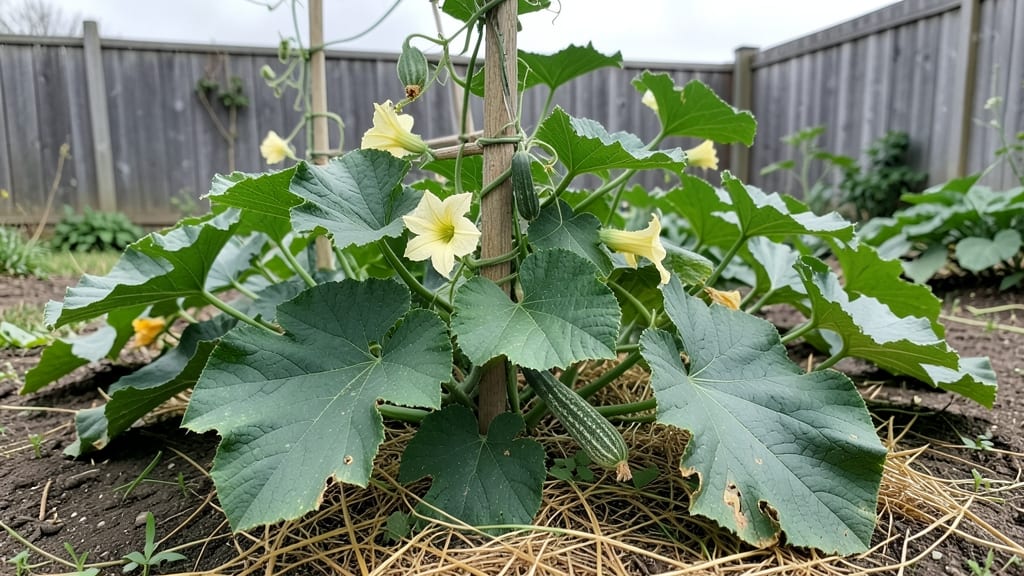
A cucumber garden bed that climbs instead of sprawls can double your harvest in the same space—something I learned after watching my first flat-bed cucumbers take over my entire patio. 🌱 The secret lies in vertical training, where vines race upward instead of outward, leaving room for other plants at the base and keeping fruits cleaner and easier to pick.
Start with a sturdy trellis or A-frame structure at least 6 feet tall—taller if you're growing long varieties like 'Straight Eight' or 'Marketmore.' Cucumbers need 12-18 inches of space between plants, but when they climb, you can fit 3-4 plants per 4-foot section of bed.
Mix in companion plants like radishes or lettuce at the base—they thrive in the shade while cucumbers grow overhead.
By mid-summer, you'll be harvesting slicing cucumbers every 3-4 days and pickling varieties before they get stringy. The vertical setup also cuts down on soil-borne diseases, since fruits stay off the ground. Plus, no more bending over—just reach up and pluck what you need.
Works for container gardens too: use 5-gallon fabric pots with built-in trellises for balconies or small yards. The same principles apply—just scale down the structure. Ready to reclaim your garden's vertical real estate?
📚 In This Guide
- What you need
- Instructions
- Tips and common mistakes
- Wrapping up and next steps
What you need
- ● Garden bed frame: Vertical trellis or A-frame structure (6–8 ft tall, 2–3 ft wide, made from wood, PVC pipes, or metal). Pro tip: Ensure it’s sturdy enough to support 10–15 lbs of cucumbers per plant!
- ● Growing medium: High-quality potting mix (sterile, well-draining, and rich in compost) – 5–10 gallons per bed, depending on size.
- ● Perlite or vermiculite (1–2 cups) for aeration.
- ● Slow-release fertilizer (balanced 10-10-10 or organic options like worm castings).
- ● Cucumber seeds or seedlings: Choose bush or vining varieties suited for vertical growth (e.g., 'Straight Eight,' 'Spacemaster,' or 'Bush Champion'). 2–4 plants per bed (check seed packet spacing guidelines).
- ● Trellis netting or twine: 100–200 ft of 1-inch mesh netting or jute twine to secure vines.
- ● Watering system: Drip irrigation kit or soaker hoses (to deliver consistent moisture).
- ● Watering can with a spray nozzle (for seedlings).
- ● Basic gardening tools: Hand trowel or small transplant spade.
- ● Pruning shears (for trimming vines).
- ● Gloves (to protect your hands from thorns or rough vines).
- ● Soil amendments: Composted manure, fish emulsion, or composted leaf mold to boost nutrients.
- ● Mulch: Straw or shredded leaves to retain moisture and suppress weeds.
- ● Pest control: Neem oil, row covers, or beneficial insects (like ladybugs) to deter pests.
- ● Support accessories: Clips or soft plant ties to secure vines to the trellis.
- ● Shade cloth: Lightweight fabric (30–50% shade) for hot climates to protect young plants.
Step-by-Step instructions for building a vertical cucumber garden bed
Transform limited space into a high-yield cucumber haven with this proven vertical design.
🪴 Step 1: Assemble the Vertical Frame Structure
Construct a 4-foot-tall frame using 2x4 lumber—I use a simple A-frame design with vertical slats spaced 12 inches apart for vine support. Secure everything with galvanized screws to prevent rust. The base should be 3 feet wide to accommodate 4 plants with ample root space. I reinforce the corners with metal brackets for stability, especially if your garden gets windy.
Position the frame in full sun—cucumbers demand 6-8 hours daily—and level it carefully. Use a spade to mark the footprint and dig down 6 inches to create a shallow trench for the base boards. This ensures stability without sinking over time. Here's the thing—if your soil is rocky or uneven, add a 1-inch layer of gravel in the trench first to improve drainage.
🌱 Step 2: Prepare the Soil and Planting Medium
Fill the base with a 12-inch-deep mix of 50% potting mix, 30% compost, and 20% perlite—this lightens the soil for vigorous root growth. I always add 1 cup of balanced 10-10-10 fertilizer per 4 square feet of bed area, working it in thoroughly. Cucumbers are heavy feeders, so don’t skimp on organic matter.
Create 4 planting holes, each 12 inches apart and 6 inches deep. Gently loosen the roots of your 4 cucumber seedlings (use disease-resistant varieties like 'Straight Eight' or 'Marketmore') before placing them in the holes. The reason we space them this way is to prevent overcrowding—too many vines competing for nutrients leads to smaller yields. Water each hole deeply before backfilling with soil.
☀️ Step 3: Install Trellis Supports and Training Vines
Attach jute twine or sturdy garden twine horizontally between the vertical slats, spacing strands 6 inches apart. This creates a lattice for vines to climb naturally. I start training vines at 2 weeks old—when they’ve developed 3-4 true leaves—by gently weaving the main stem around the twine. Use soft plant ties to secure without damaging tender stems.
Here’s where it gets fun: As vines grow, they’ll twist around the twine like a natural spiral. Prune side shoots (suckers) that form below the first flower cluster—this redirects energy to fruit production. You’ll know you’re doing it right when vines reach the top of the frame in 4-6 weeks and start cascading over the sides.
💧 Step 4: Water and Fertilize for Maximum Yield
Water at the base of the plant every 2-3 days until the top 2 inches of soil feel dry. Cucumbers need 1-1.5 inches of water weekly, but vertical designs dry faster—check soil moisture daily during hot spells. I use a soaker hose to deliver water slowly, preventing fungal issues that thrive in damp foliage. Mulch the base with 2 inches of straw to retain moisture and suppress weeds.
Feed plants every 2 weeks with liquid seaweed fertilizer (diluted to half-strength) to boost growth and fruit set. You’ll see the difference in 10-14 days: darker green leaves, faster vine growth, and more flowers. Real talk—if you skip fertilizing, yields will be disappointing, even with perfect spacing and trellising.
✂️ Step 5: Harvest and Prune for Continuous Production
Pick cucumbers when they’re 6-8 inches long for peak flavor and to encourage more production. Use pruning shears to cut stems cleanly—never twist or pull, which damages the vine. I harvest every 2-3 days during peak season to prevent overripe fruit from sapping energy. Store picked cucumbers in the fridge to extend freshness for 5-7 days.
As the season progresses, prune aggressively: Remove any yellowing leaves, diseased foliage immediately, and trim back overgrown vines that block sunlight from lower leaves. This keeps air circulating and prevents powdery mildew. With proper care, a 4-plant vertical bed can yield 20-30 cucumbers weekly—enough for fresh eating, pickling, or sharing with neighbors.
Tips & tricks for perfect vertical cucumber garden beds
Here's what separates a thriving vertical cucumber garden from a disappointing one—these are the details that make all the difference.
Foundation Matters: In Step 1, don't skimp on the 6-inch deep trench for your base boards. This extra depth prevents the frame from sinking over time, especially in loose or uneven soil. I've seen frames lean dramatically after just one season when this step was skipped. For extra stability in windy areas, consider adding diagonal supports between the A-frame corners—this creates a triangle shape that resists lateral pressure beautifully.
Soil Science: The 12-inch deep soil mix in Step 2 is non-negotiable for cucumbers' vigorous root systems. Here's what I've learned: Mix the potting soil, compost, and perlite right in the frame rather than pre-mixing in a wheelbarrow. This prevents compaction as you fill the bed. Also, incorporate that 1 cup of 10-10-10 fertilizer directly into the bottom 4 inches of soil—this gives roots immediate access to nutrients as they grow downward.
Trellis Technique: When attaching your 6-inch spaced trellis strands in Step 3, leave about 4 inches of slack at each connection point. This flexibility allows the frame to flex slightly in wind without snapping the twine. I've found that using biodegradable jute twine (rather than plastic) actually encourages microbial activity in the soil as it breaks down—nature's way of giving your plants a nutrient boost.
Watering Wisdom: The 2-3 day watering schedule in Step 4 works perfectly when using a soaker hose, but here's the catch: Run the hose for exactly 20 minutes per plant during hot weather (90°F+). This delivers that critical 1-1.5 inches weekly while preventing water from pooling at the base. For even distribution, alternate the side you water from each time—this prevents one side of the frame from getting more moisture than the other.
Pro Tips for Cucumber Garden Bed
- Here's what separates a thriving vertical cucumber garden from a disappointing one—these are the details that make all the difference.
- Foundation Matters: In Step 1, don't skimp on the 6-inch deep trench for your base boards.
- Soil Science: The 12-inch deep soil mix in Step 2 is non-negotiable for cucumbers' vigorous root systems.
Frequently asked questions
Got questions about maximizing your cucumber garden bed? You’re not alone! Here are answers to the most common queries to help you grow like a pro.
When is the best time to plant cucumbers in a vertical garden bed?
Cucumbers thrive in warm soil—aim to plant them 2–3 weeks after your last frost date when temperatures consistently stay above 55°F (13°C). For cooler climates, start seeds indoors 3–4 weeks before transplanting. Avoid planting too early, or seedlings may rot in cold soil.
How often should I water cucumbers in a vertical garden bed?
Vertical cucumbers need consistent moisture—water deeply every 2–3 days (or daily in extreme heat). Use drip irrigation or soaker hoses to keep roots hydrated without wetting leaves (which can cause disease). Mulch around the base to retain moisture.
What are common pests for vertical cucumbers, and how do I prevent them?
Watch for cucumber beetles, aphids, and spider mites. Prevent pests by:
- Using row covers early in the season.
- Planting companion plants like marigolds or nasturtiums.
- Handpicking beetles or spraying neem oil.
Check leaves regularly for chewed edges or sticky residue!
Can I grow other vegetables in the same vertical garden bed as cucumbers?
Yes! Cucumbers pair well with companion plants like:
- Beans (fix nitrogen in the soil).
- Radishes (deter pests).
- Lettuce or spinach (shade-tolerant greens).
Avoid planting potatoes, squash, or melons nearby—they compete for resources.
What if my cucumbers aren’t climbing properly?
If vines aren’t attaching to trellises, they may need:
- A gentle nudge to guide them upward.
- More support (add extra ties or a stronger trellis).
- Pruning side shoots to encourage upward growth.
Ensure the trellis is sturdy and placed within 6–12 inches of the plants for easy access.
Wrapping up and next steps
Growing cucumbers in a vertical garden bed isn’t just smart—it’s a game-changer for small spaces and high yields! 🌱 With the right setup, you’ll enjoy fresh, crisp cucumbers while maximizing your garden’s potential. Start small, experiment with designs, and watch your harvest thrive.
Ready to get growing? Sketch your design today—whether it’s a trellis, tower, or pocket planter—and take the first step toward a bountiful, space-efficient harvest! 🌿