
Shrubs
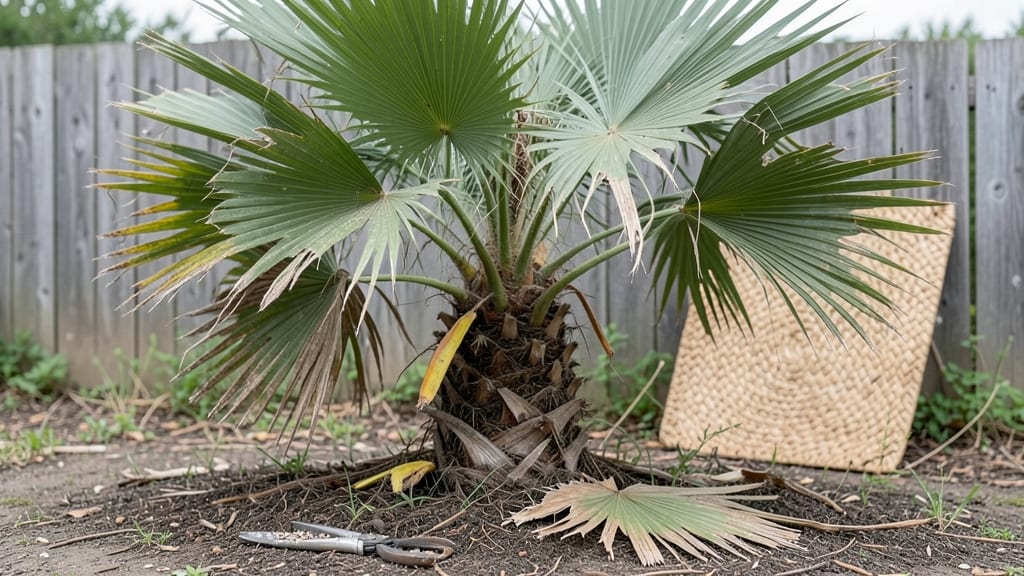
Florida weave gardening turns fences into lush, fast-growing privacy screens that outperform anything you can buy. 🌿 I first saw this technique in a neighbor's yard—what looked like a simple wooden fence was actually a thriving ecosystem of native vines and shrubs, all growing together in perfect harmony.
The best part? It stays green year-round, even through Florida's brutal summers and mild winters.
This style isn't just about looks—it's a practical solution for homeowners who want privacy without sacrificing beauty or sustainability. You'll use a mix of drought-resistant native plants like coontie palm, muhly grass, and crossvine, all trained to climb or weave through a sturdy wooden frame.
The result is a living screen that requires minimal watering once established and supports local wildlife.
By the end of 3-6 months, you'll have a dense, fragrant barrier that blocks noise and prying eyes while adding value to your property. The plants grow together naturally, creating a textured tapestry of greens, purples, and whites that changes with the seasons.
Plus, you'll cut back on maintenance compared to traditional fencing.
Perfect for Florida's climate, but adaptable to other warm regions too. Whether you're hiding a pool area, creating a backyard retreat, or just tired of chain-link fences, this method delivers fast results with long-term payoffs. Let's get your fence growing!
📚 In This Guide
- What you need
- Instructions
- Tips and common mistakes
- Wrapping up and next steps
What you need
- ● Shrubs: 10–20 Myrtle Oak (Quercus myrtifolia) or Firebush (Hamelia patens) (fast-growing, drought-tolerant)
- ● 5–10 Coontie Palm (Zamia integrifolia) (palmette-shaped, adds texture)
- ○ Optional: Dwarf Yaupon Holly (Ilex vomitoria 'Nana') (for structure, 5–10 plants)
- ● Soil Amendments: 50 lbs composted pine bark (improves drainage, mimics native soil)
- ● 10 lbs slow-release fertilizer (10-10-10) (for initial planting)
- ● Tools: Shovel or trowel (for digging)
- ● Pruners (bypass or felco)
- ● Measuring tape (for spacing)
- ● Garden hose with spray nozzle (for watering)
- ● Gloves (heavy-duty, for thorny plants like holly)
- ● Sunlight: Full sun to partial shade (6+ hours/day for optimal growth)
- ● Spacing: Plant shrubs 3–5 feet apart (allows air circulation and future growth)
- ● Mark planting lines with stakes and string for a clean, woven look
- ● Water Access: Drip irrigation or soaker hose (Florida’s heat demands consistent moisture)
- ○ Optional (But Helpful): Mulch (2–3 inches of pine straw to retain moisture and suppress weeds)
- ● Edging material (landscape fabric or metal edging for a polished finish)
Step-by-step instructions for creating a Florida Weave privacy screen
Here's the method I rely on for a fast-growing, year-round privacy screen that thrives in Florida's climate.
🌱 Step 1: Select and Prepare Your Planting Site
Choose a location with partial shade to full sun—Florida's humidity means direct sun can stress some varieties, but too little light slows growth. Clear the area of weeds and debris, then mark a 6-foot-wide strip along your property line using stakes and string. This ensures your screen stays uniform and dense.
Test the soil pH—Florida Weave plants prefer slightly acidic to neutral (6.0-7.0). If your soil is too alkaline, mix in 2 gallons of peat moss per 10-foot section to adjust it. Amend the top 6 inches of soil with 3 cubic feet of compost per 10-foot section for nutrients. Work it in gently to avoid disturbing roots of existing plants.
🪴 Step 2: Plant Fast-Growing Native Varieties
For year-round lushness, plant a mix of Murraya paniculata (Orange Jessamine), Podocarpus macrophyllus (Maki), and Lagerstroemia indica (Crape Myrtle). Space Murraya and Podocarpus 3-4 feet apart, and Crape Myrtle 6-8 feet apart—their staggered growth fills gaps quickly. Dig holes twice as wide as the root ball but only as deep to avoid burying the trunk.
Place each plant gently into its hole, then backfill with native soil mixed with 1/2 cup of slow-release fertilizer per plant. Water deeply until the soil settles, then add a 2-inch layer of mulch (like pine bark) to retain moisture and suppress weeds. This mulch layer also protects roots from Florida's intense summer heat.
☀️ Step 3: Water and Maintain for Rapid Growth
Water deeply every 2-3 days for the first 4 weeks, ensuring the soil stays moist but not soggy. Florida's heat can dry out young plants quickly, so check the top 2 inches of soil—if it feels dry, it's time to water. After establishment, reduce to once weekly during dry spells, focusing on the root zone to encourage deep growth.
Fertilize every 3 months with a balanced, slow-release fertilizer (like 10-10-10) to keep plants vigorous. Prune lightly in late winter to shape the screen and remove any dead or overcrowded branches. This keeps the Florida Weave dense and encourages fast, bushy growth—critical for that quick privacy you're after.
✂️ Step 4: Train and Prune for Density
As plants grow, gently weave flexible branches (like Murraya’s) through neighboring plants to create a natural lattice. This technique, inspired by traditional Florida Weave styles, speeds up the privacy effect. Use soft ties to secure branches temporarily while they fuse together—never prune more than 1/3 of the plant at once.
Watch for pests like scale or spider mites, common in Florida’s heat. Spray affected areas with neem oil (mixed as directed) at the first sign of infestation. Regular pruning also improves airflow, reducing disease risk. Within 6-12 months, your screen will be fully lush and impenetrable—no fence or lattice needed!
Tips & tricks for fast-growing Florida Weave privacy screens
Creating a lush, impenetrable privacy screen doesn't have to take years—these game-changing tips will accelerate your Florida Weave's growth while keeping it thriving year-round.
Soil Prep Secret: Don't just amend the soil—create a nutrient-rich "sponge" layer. After mixing in the 3 cubic feet of compost per 10-foot section, add a 1-inch layer of coarse sand to improve drainage, especially in Florida's heavy clay soils. This prevents waterlogging while keeping roots hydrated during our intense dry spells. The peat moss adjustment is critical too—test your soil's pH first with a simple kit from your local garden center.
Plant Spacing Strategy: The 3-4 foot spacing for Murraya and Podocarpus might seem generous, but trust me—this is the sweet spot for rapid growth. These plants will fill in quickly, but crowding too soon leads to competition for nutrients and stunted growth. For an even faster screen, consider adding a few Ilex vomitoria (Yaupon Holly) plants spaced 5 feet apart—their dense foliage bridges gaps beautifully while adding year-round structure.
Watering Wisdom: Those first 4 weeks are make-or-break for your Florida Weave. Instead of just watering every 2-3 days, try the "soaker hose method"—run water slowly at the base for 20-30 minutes to encourage deep root development. Check moisture by sticking your finger 2 inches into the soil; if it's dry, water again. After establishment, focus on deep watering once weekly rather than light daily sprinkles—this trains roots to grow deeper, making your screen more drought-resistant.
Pruning Game-Changer: Late winter pruning is your chance to shape the screen, but here's the pro move: Prune in stages. First, remove any dead or crossing branches, then wait 2-3 weeks before doing your final shaping cut. This two-step approach reduces stress on the plants and gives you time to assess how they're filling in. Never remove more than 1/3 of any plant's foliage at once—this keeps them vigorous and encourages bushier growth.
Pro Tips for Florida Weave Gardening
- Creating a lush, impenetrable privacy screen doesn't have to take years—these game-changing tips will accelerate your Florida Weave's growth while keeping it thriving year-round.
- Soil Prep Secret: Don't just amend the soil—create a nutrient-rich "sponge" layer.
- Plant Spacing Strategy: The 3-4 foot spacing for Murraya and Podocarpus might seem generous, but trust me—this is the sweet spot for rapid growth.
Frequently asked questions
Got questions about Florida Weave gardening?
You’re not alone! Here are answers to the most common queries to help you grow a lush, fast-privacy screen with ease.
What’s the best time of year to plant Florida Weave shrubs?
Plant them in early spring or fall—when Florida’s temps are mild (60–75°F). Avoid extreme summer heat or winter cold, which can stress young plants. If you must plant in summer, water deeply daily for the first 2 weeks to help roots establish.
How quickly does Florida Weave grow for privacy?
Expect 3–5 feet per year under ideal conditions! With proper care (sunlight, water, and occasional pruning), you can achieve a 6–8-foot-tall screen in just 2–3 years. That’s way faster than traditional hedges like boxwoods.
How often should I water Florida Weave shrubs?
Newly planted shrubs need deep watering 2–3 times per week for the first month. Once established (after 6 months), water 1–2 times per week, depending on rain. Mulch around the base to retain moisture and reduce weeds.
Can I prune Florida Weave anytime, or is there a best time?
Prune in late winter or early spring (before new growth) to shape your screen. Avoid heavy pruning in summer—it can stress the plant. For year-round lushness, do light trims after each growing season to encourage dense foliage.
What if my Florida Weave turns yellow or looks sickly?
Yellow leaves often mean overwatering, poor drainage, or nutrient deficiency. Check soil moisture (it should be evenly damp, not soggy). Amend soil with compost if needed, and ensure your shrubs get 6+ hours of sunlight daily. Fungal issues? Space plants for airflow and avoid wetting leaves when watering.
Are there alternatives to Florida Weave for Florida’s climate?
Yes! Consider Firebush, Nandina, or Dwarf Yaupon Holly for similar fast-growing, low-maintenance privacy. Each has unique benefits—Firebush adds vibrant flowers, while Nandina thrives in shade. Florida Weave, though, wins for speed and year-round greenery!
Wrapping up and next steps
Florida Weave gardening offers a low-maintenance, fast-growing solution for year-round privacy and beauty—perfect for Florida’s climate! 🌿 With its drought tolerance, pest resistance, and stunning foliage, this native shrub transforms any space into a lush, serene retreat.
Whether you’re a beginner or a seasoned gardener, its versatility makes it an easy win.
Ready to get started? Sketch your design, gather your tools, and plant your first row today! Watch as your privacy screen thrives with minimal effort—and enjoy the peace of mind (and shade!) it brings. Happy gardening! 🌞