Vegetables
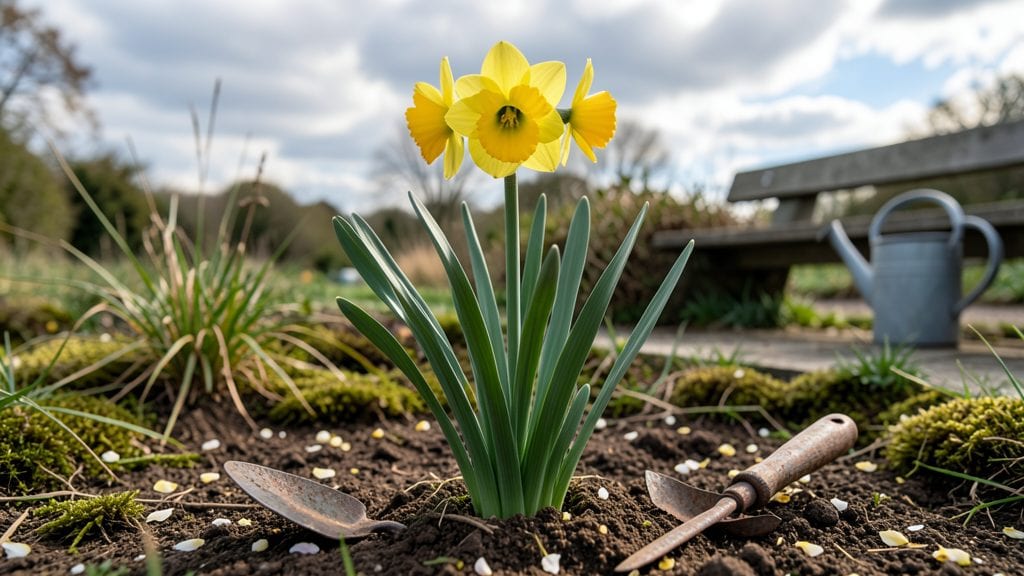
These gardens with daffodils transform even the dullest yard into a sunlit masterpiece—just look at mine, now bursting with five years of cheerful yellow trumpets in spring, lush foliage in summer, and quiet structure in winter’s. bare branches.
The secret isn’t just planting them; it’s designing around them so they shine year-round.
Start with a bold statement border: mass plant daffodils in drifts of 15+ bulbs for maximum impact, then layer in companions like hellebores for early color or ornamental grasses for texture.
For cottage charm, mix heights and colors—white ‘Thalia’ with deep orange tulips creates drama, while ‘Tête-à-Tête’ stays compact for containers. Even formal gardens benefit from their structure, especially when paired with boxwoods or lavender.
Here’s the magic: daffodils do double duty. Their foliage feeds the soil until it yellows naturally in late spring, then you tuck in summer bloomers like daylilies or black-eyed Susans.
By autumn, their dried stems add movement to winter arrangements. The result? A garden that feels alive in every season, not just spring.
Works in any space—formal borders, wildflower meadows, or even a single pot on your patio. The key is letting them take center stage while supporting players fill in the gaps. Let’s make your yard the envy of the neighborhood, one bloom at a time.
📚 In This Guide
- What you need
- Instructions
- Tips and common mistakes
- Wrapping up and next steps
What you need
- ● Daffodil bulbs: Choose Narcissus varieties (e.g., 'Tête-à-Tête,' 'Ice Follies,' or 'Thalia'). Buy 10–20 bulbs per square foot for a lush look.
- ● Well-draining soil: Amend heavy clay with 2–3 inches of compost or sand to prevent rot.
- ● Organic fertilizer: A 5-10-10 NPK blend (e.g., bone meal or bulb fertilizer) to boost root growth.
- ● Mulch: 2–3 inches of shredded bark or pine straw to retain moisture and regulate soil temp.
- ● Garden trowel or bulb planter (for precise planting depth).
- ● Garden fork or aerator (to loosen soil before planting).
- ● Measuring tape or ruler (to ensure bulbs are planted 6–8 inches deep and 4–6 inches apart).
- ● Watering can or hose with a gentle spray nozzle (daffodils hate soggy soil!).
- ● Gloves & knee pads (for comfort during planting).
- ● Companion plants: Try heuchera, hellebores, or ferns for year-round texture.
- ● Garden stakes or labels (to track varieties and planting dates).
- ● Slow-release fertilizer spikes (for low-maintenance nutrition).
- ● Decorative rocks or edging (to define borders and add charm).
Instructions for designing a stunning daffodil garden
Here's how to create a vibrant, low-maintenance daffodil display that blooms early and keeps your garden cheerful all year.
Choose Your Planting Location
Daffodils thrive in full sun to partial shade, so select a spot that gets at least 6 hours of sunlight daily. They tolerate a range of soil types but perform best in well-draining soil—avoid low-lying areas where water pools after rain. If your soil is heavy clay, amend it with 2-3 inches of compost before planting to improve drainage.
I always scout the area first by watching how water flows after a rain. If puddles linger for more than an hour, that’s a sign you’ll need to raise the bed or improve drainage. Daffodils hate soggy roots, which can lead to bulb rot and lost blooms.
Prepare the Soil for Planting
Loosen the soil to a depth of 12 inches using a garden fork or tiller. This helps the roots establish deeply and prevents future compaction. Work in 2-3 inches of compost or well-rotted manure to enrich the soil naturally—daffodils aren’t heavy feeders, but they do appreciate fertile ground.
For a 4-plant garden, mix the compost evenly into the top 6 inches of soil. Avoid fresh manure, as it can burn the bulbs. If your soil is sandy, add a handful of peat moss to help retain moisture without suffocating the roots. The goal is loose, crumbly soil that feels like a well-aerated cake mix.
Plant Bulbs at the Right Depth and Spacing
Daffodil bulbs should be planted 6-8 inches deep, with the pointed end facing upward. For a natural look, space them 4-6 inches apart in rows or clusters. If you’re planting in groups, arrange them in odd-numbered clusters (3, 5, or 7 bulbs) for a balanced, full appearance.
I like to plant them in early fall, about 6-8 weeks before the ground freezes. This gives the roots time to establish before winter. Press the soil gently around each bulb but don’t compact it—you want the earth to settle naturally over time. Water lightly after planting to help the soil settle.
Mulch and Protect for Winter
Once planted, cover the bed with 2-3 inches of mulch, such as shredded bark or straw, to insulate the bulbs and retain moisture. This layer also suppresses weeds and keeps the soil temperature stable. Avoid using thick mulch, as it can smother the bulbs or trap too much moisture.
In colder climates, a light layer of straw or leaves over the mulch adds extra protection. Come spring, remove the mulch once the ground thaws and new shoots appear. You’ll notice the first green spears pushing through the soil in late winter or early spring, signaling that your daffodils are ready to bloom.
Maintain Through the Growing Season
After the flowers fade, leave the foliage in place for 6-8 weeks—this allows the plant to photosynthesize and store energy for next year’s blooms. You can deadhead spent flowers if you prefer, but don’t cut the leaves until they turn yellow and wither naturally.
Water daffodils deeply once a week during dry spells, but avoid overwatering. The bulbs are tough and don’t need much extra care beyond occasional weeding. In late summer, add a light layer of compost to replenish nutrients for next year’s display. With proper planting, your daffodils will multiply over time, creating a stunning, self-sustaining garden.
Tips & tricks for perfect daffodil garden design
Creating a daffodil garden that thrives year after year takes more than just planting bulbs—it’s about understanding their unique needs and how to optimize their environment. These practical tips will help you avoid common pitfalls and create a stunning, low-maintenance display that keeps coming back stronger each season.
Soil Preparation is Everything: In Step 2, when you’re loosening the soil to 12 inches, take an extra moment to check for drainage. Stick a metal rod into the ground—if water pools around it after 30 minutes, you’ll need to raise the bed or add more compost. Daffodils won’t tolerate soggy roots, and this simple test prevents bulb rot before it starts. I’ve lost entire beds because I skipped this step, so trust me on this.
Planting Depth Matters More Than You Think: The 6-8 inch depth recommendation in Step 3 isn’t arbitrary—it protects bulbs from frost heave in winter. Plant too shallow, and they’ll be exposed to temperature swings that can damage them. For extra insurance in cold climates, add a 1-inch layer of straw over the planting area after mulching. This creates a microclimate that keeps roots consistently cool.
Timing Your Planting for Success: The 6-8 week window before ground freeze in Step 3 gives roots time to establish, but don’t rush it. If you plant too early, bulbs might sprout before winter and get damaged by frost. A simple soil thermometer ($10 at garden centers) helps—aim for soil temps between 40-50°F when planting. This ensures roots grow without being shocked by cold.
Foliage Maintenance Creates Next Year’s Blooms: In Step 5, when you’re tempted to cut back those yellowing leaves, resist! The 6-8 week window lets daffodils photosynthesize and store energy for next spring’s flowers. I’ve seen gardens where people cut foliage too soon, and the following year’s blooms were sparse. Mark your calendar when you plant—count 6 weeks from when flowers fade, then cut back.
Pro Tips for Gardens With Daffodils
- Creating a daffodil garden that thrives year after year takes more than just planting bulbs—it’s about understanding their unique needs and how to optimize their environment.
- Soil Preparation is Everything: In Step 2, when you’re loosening the soil to 12 inches, take an extra moment to check for drainage.
- Planting Depth Matters More Than You Think: The 6-8 inch depth recommendation in Step 3 isn’t arbitrary—it protects bulbs from frost heave in winter.
Frequently asked questions
When is the best time to plant daffodils for spring blooms?
Plant daffodils in fall (6–8 weeks before the first frost) for spring blooms. This gives their bulbs time to root deeply in cool soil. If you miss fall, you can plant in early winter, but spring blooms may be less vibrant. Pro tip: Aim for late October to November in most U.S. zones!
Can daffodils grow in full sun or shade?
Daffodils thrive in full sun (6+ hours/day), but they tolerate partial shade (4–6 hours). In hot climates, afternoon shade helps prevent early wilting. Avoid deep shade—they’ll bloom poorly or not at all. Bonus: Shade-tolerant varieties like ‘Ice Follies’ work well under trees!
How do I protect daffodils from squirrels and deer?
Use bulb cages or plant daffodils in wire mesh baskets to deter squirrels. Deer often avoid them due to toxic foliage, but for extra protection, apply deer repellent or plant near thorny shrubs. Alternative: Try ‘Tête-à-Tête’ daffodils—they’re squirrel-resistant!
What can I plant with daffodils for year-round color?
Pair daffodils with spring bulbs (tulips, hyacinths), summer perennials (lavender, catmint), and fall foliage (heuchera, ornamental grasses). For winter interest, add evergreens (boxwood, holly). Design tip: Layer bulbs in odd-number groups for a natural look!
Why aren’t my daffodils blooming this year?
Check for overcrowded bulbs (dig and divide every 3–5 years), poor soil (amend with compost), or lack of sunlight. If leaves die too soon, the bulb won’t store enough energy. Fix it: Fertilize in fall with bone meal and ensure 6+ hours of sun!
Do daffodils need extra watering?
Water moderately after planting and during dry spells, but avoid soggy soil. Once established, they’re drought-tolerant. Key times: Water deeply after blooming to help bulbs recharge for next year. Mulch lightly to retain moisture!
Wrapping up and next steps
Transforming your garden with daffodils is a joyful way to bring early spring color—and even year-round interest—with minimal effort. These cheerful blooms not only brighten your yard but also attract pollinators while requiring little maintenance.
Whether you’re planting a bold border, a delicate woodland edge, or a fragrant cottage-style garden, daffodils deliver effortless elegance and resilience.
Ready to take the next step? Start small—try a test patch this fall or research your hardiness zone for the best varieties. With the right placement and care, your garden will reward you with months of golden sunshine and a sense of pride. Happy planting! 🌱✨