
Tools
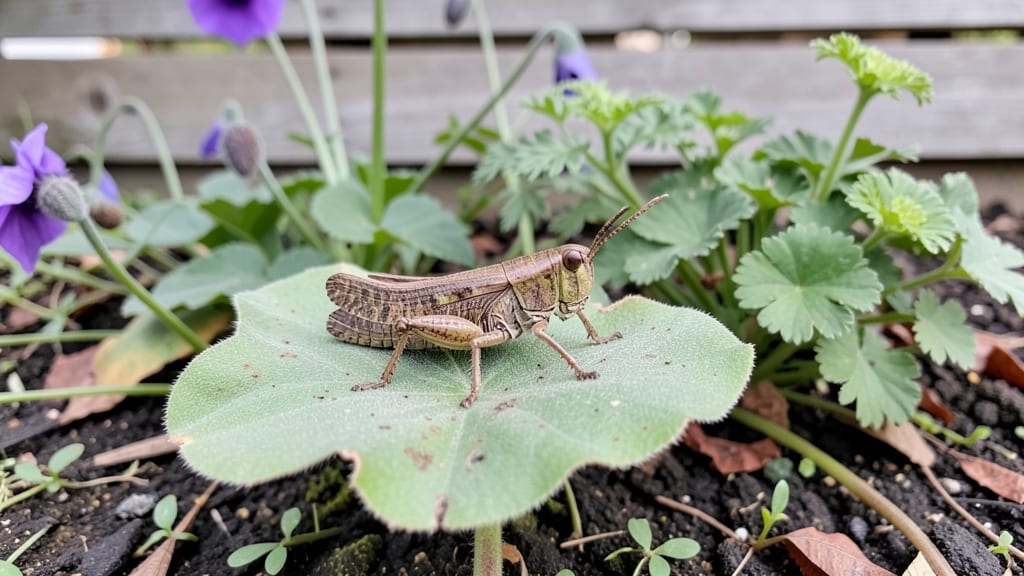
Grasshoppers can turn your thriving garden into a skeleton of chewed leaves in days. ✨ I’ve lost entire rows of beans and tomatoes to these striped invaders, but I’ve also learned how to outsmart them without harming the ecosystem.
The key is a layered approach—physical barriers, plant tricks, and targeted sprays that keep them away while protecting beneficial insects.
Most people reach for pesticides first, but that’s like calling in an artillery strike for a mosquito problem. Instead, I start with humane barriers like fine netting over vulnerable plants or reflective mulch that confuses their navigation.
Companion planting with strong-smelling herbs like basil or marigolds throws them off the scent of your prized veggies. And yes, neem oil works—but only if applied at the right time of day.
By combining these methods, you’ll see grasshopper numbers drop within 2-3 weeks, and your plants will rebound with new growth. The best part? Your garden stays lush, your soil stays healthy, and you avoid the chemical residue that can linger for seasons.
No more desperate last-minute sprays—just a system that works quietly in the background.
This approach scales from small containers to full garden beds, and it’s gentle enough for organic certification if that matters to you. Let’s get those plants protected the smart way—without turning your yard into a war zone.
Natural Attractions Drawing Them In
Grasshoppers aren’t random visitors—they’re drawn to your garden like a buffet call. Understanding why they show up is the first step to keeping them at bay without harming them.
These hoppers are opportunistic, and their behavior is driven by a mix of food, habitat, and environmental cues. Let’s break down the science behind their garden invasions.
Grasshoppers are herbivores with a hearty appetite, and your garden might be serving up an all-you-can-eat feast. They’re particularly fond of:
- Leafy greens: Vegetables like lettuce, spinach, and kale are high-protein snacks for grasshoppers. The tender, nutrient-rich leaves are irresistible, especially during their nymph (baby) stage when they need extra energy to grow.
- Grasses and grains: Lawns, corn, wheat, and even ornamental grasses provide easy grazing. Grasshoppers prefer young, soft shoots over mature stalks, so overgrown or newly planted areas are high-risk zones.
- Flowers and fruits: While not their primary food source, flowers like sunflowers, beans, and squash offer both sustenance and shelter. Some varieties even produce seeds that grasshoppers devour. li>Weeds as backup meals: Dandelions, clover, and other "weeds" are often the first to get munched if your prized plants aren’t available. These hardy plants thrive in disturbed soils—common in gardens—and provide a reliable food source.
Actionable fix: Monitor high-risk plants and remove or protect them early. Opt for grasshopper-resistant varieties (e.g., marigolds, basil, or thyme) to disrupt their dining plans.
Grasshoppers aren’t just here for the food—they’re also scouting for safe havens. Your garden might unknowingly offer the perfect combination of:
- Dense ground cover: Mulch, thick grass, or leaf litter provide hiding spots during the day. Grasshoppers are most active at dawn and dusk but retreat to shaded, moist areas to avoid predators and extreme heat.
- Water sources: Dew, irrigation, or standing water (like shallow puddles or birdbaths) attract them. They need moisture to survive, especially in dry climates. Even a damp morning lawn can signal a grasshopper hotspot.
- Undisturbed soil: Loose, well-drained soil is easier for grasshoppers to burrow into, especially females laying eggs. Compacted or heavily tilled areas deter them, while gardens with minimal disruption become prime real estate.
Actionable fix: Reduce ground cover near vulnerable plants, use gravel or landscape fabric instead of thick mulch, and eliminate standing water. Keep soil slightly compacted in high-risk areas.
Grasshoppers are cold-blooded, meaning their activity levels are directly tied to temperature and weather patterns. Your garden’s microclimate might be inadvertently inviting them:
- Warm, dry conditions: Grasshoppers thrive in heat (ideal range: 75–95°F). Drought-stressed plants release more sugars, making them even more appetizing. If your area experiences prolonged dry spells, expect a grasshopper surge.
- Sudden rain or irrigation: Moisture triggers egg hatching and boosts plant growth, creating a double incentive for grasshoppers to move in. Overwatered gardens can become magnets, especially in arid regions.
- Seasonal migration: Grasshoppers often move from dry, upland areas to irrigated or garden spaces in late spring/early summer. If your garden blooms or grows rapidly during this time, it’s a red flag.
Actionable fix: Adjust irrigation to avoid overwatering, and time outdoor activities (like pruning) for cooler parts of the day to minimize disturbances. Use shade cloth or row covers on young plants during peak heat.
In a balanced ecosystem, grasshoppers are kept in check by predators like birds, spiders, toads, and parasitic wasps. But if your garden lacks these allies, the population can explode:
- Few birdhouses or feeders: Birds are grasshoppers’ top predator. Without perches, food, or shelter, they won’t stick around to hunt.
- Pesticide use: Even "safe" sprays can kill beneficial insects like ladybugs or lacewings, which also prey on grasshopper eggs and nymphs.
- Monoculture planting: Gardens with single plant types offer less diversity for predator habitats (e.g., no shrubs for birds to nest in or flowers for pollinators).
Actionable fix: Install birdhouses, avoid broad-spectrum pesticides, and incorporate native plants that attract predators. A diverse garden is a self-regulating one!
Natural Ways to Keep Jumpers Away
Grasshoppers may seem harmless, but their relentless munching can turn your garden into a chewed-up canvas. The good news? You don’t need harsh chemicals to send them packing. With a few humane, eco-friendly strategies, you can reclaim your garden without harming the environment or local wildlife.
Here’s how to tackle the problem—cause by cause—and keep your plants safe.
Grasshoppers thrive in lush, damp environments where they can hide and feed undisturbed. If your garden is a buffet, they’ll stay for the feast.
How to Fix It:
- 🔥 Trim Tall Grass & Weeds – Mow your lawn regularly and clear away dense vegetation. Grasshoppers love tall grass for cover, so keeping it short disrupts their hideouts.
- 🌡️ Reduce Standing Water – Stagnant water attracts grasshoppers (and their predators, like birds, which we’ll discuss later). Ensure proper drainage and fix leaky hoses or clogged gutters.
- 🌱 Choose Resistant Plants – Some plants are less appealing to grasshoppers. Opt for marigolds, basil, mint, or lavender—their strong scents deter jumpers naturally.
💡 Pro Tip: If you have a compost pile, cover it tightly—grasshoppers love the moisture and organic matter inside.
Grasshoppers lay eggs in warm, moist soil, and if left unchecked, they’ll hatch into a new generation of plant munchers. Stop them before they start!
How to Fix It:
- 🔪 Till the Soil in Late Summer – Grasshoppers lay eggs in late summer/early fall. Lightly till or aerate the soil in September to expose and crush eggs before they hatch.
- 🏜️ Use Mulch Strategically – A thin layer of coarse mulch (like wood chips or straw) can deter egg-laying by making the soil less hospitable. Avoid thick mulch, which retains too much moisture.
- 🐦 Encourage Natural Predators – Birds, spiders, and beneficial insects (like ladybugs and praying mantises) eat grasshopper eggs and nymphs. Install birdhouses, bat boxes, or a small pond to attract them.
✨ Bonus: Plant neem trees or citrus—their roots naturally repel grasshopper egg-laying.
If grasshoppers have already moved in, you’ll need to remove them without harm. Traps are a great short-term solution.
How to Fix It:
- 🍳 DIY Beer Trap – Grasshoppers are attracted to fermented scents. Bury a plastic cup filled with beer (neck down) in the soil. They’ll crawl in, drown, and you can dispose of them far from your garden.
- 🌿 Soapy Water Spray – For a non-lethal removal, mix 1 tbsp dish soap with 1 gallon of water in a spray bottle. Lightly mist grasshoppers—they’ll fall to the ground (stunned but alive). Relocate them at least 50 feet away from your garden.
- 🕷️ Use a Shop Vac (For Heavy Infestations) – If you have a severe outbreak, a shop vacuum with a fine mesh bag can suck them up. Release them far from your property in a field or wooded area.
💡 Pro Tip: Work early in the morning when grasshoppers are sluggish—they’re easier to catch!
For a permanent solution, combine physical barriers with natural repellents to create an unwelcome zone for grasshoppers.
How to Fix It:
- 🏗️ Install Row Covers or Netting – Lightweight floating row covers (made of fine mesh) over vulnerable plants block grasshoppers while allowing sunlight and water through. Secure edges with bricks or soil.
- 🌿 Plant a "Grasshopper-Repellent Border" – Surround your garden with garlic, onions, or chrysanthemums—their strong odors confuse and deter grasshoppers.
- 🌡️ Try Diatomaceous Earth (Food-Grade Only) – Sprinkle a thin layer around plants. This non-toxic powder damages grasshopper exoskeletons, causing them to dehydrate. Reapply after rain.
⚠️ Warning: Avoid insecticides—they kill beneficial insects and can harm pets or children. Stick to natural methods for safety.
Once you’ve kicked the grasshoppers out, prevent a comeback with these simple steps:
✅ Inspect & Treat Early – Check for grasshoppers weekly in spring/summer. Act fast before they multiply. ✅ Diversify Your Garden – A mix of flowers, herbs, and vegetables disrupts their feeding patterns. ✅ Keep the Area Dry – Grasshoppers avoid well-drained soil.
Improve drainage if needed. ✅ Encourage Predators Year-Round – Plant native wildflowers to attract ladybugs, lacewings, and birds. ✅ Rotate Plant Locations – Grasshoppers remember favorite spots. Move vulnerable plants occasionally to confuse them.
By combining habitat disruption, egg control, humane removal, and smart planting, you can keep your garden lush—and grasshopper-free—without resorting to harsh chemicals. Your plants (and your sanity) will thank you! 🌱🚫🐜
Frequently asked questions about garden grasshoppers
Why do grasshoppers suddenly appear in my garden?
Grasshoppers invade gardens when conditions become ideal for them—warm temperatures (75–95°F), moist soil, and abundant food sources. They often migrate from nearby fields or dry areas when your garden offers lush greens, flowers, or standing water. Late spring/early summer is peak season for outbreaks, especially after rain.
Which plants are most at risk from grasshoppers?
Leafy greens like lettuce, spinach, and kale are top targets, but they’ll also devour beans, corn, and young vegetable shoots. Flowers like sunflowers and squash aren’t safe either—grasshoppers eat both the blooms and seeds. Hardy herbs (basil, mint) or marigolds are better choices for repelling them naturally.
How do I tell if grasshoppers are damaging my plants?
Look for irregular holes along leaf edges (not clean cuts like pests with jaws) and chewed stems. Nymphs (baby grasshoppers) leave tiny notches, while adults create larger gaps. Check undersides of leaves too—they often hide there during the day. Early signs include wilting or stunted growth.
Is diatomaceous earth safe for my garden?
Food-grade diatomaceous earth is non-toxic to plants and pets but deadly to grasshoppers by dehydrating them. Sprinkle a thin layer around plants (avoid thick piles—it can harm soil microbes). Reapply after rain, and wear a mask when applying to avoid inhaling dust. Best used as part of a layered defense strategy.
Will birdhouses really help control grasshoppers?
Birds like sparrows and wrens are grasshopper hunters. Install birdhouses near your garden (but not too close—birds need space to spot pests). Add native plants for nesting material, and provide water sources. Even a simple platform feeder can attract enough birds to make a difference within 2-3 weeks.