Tools
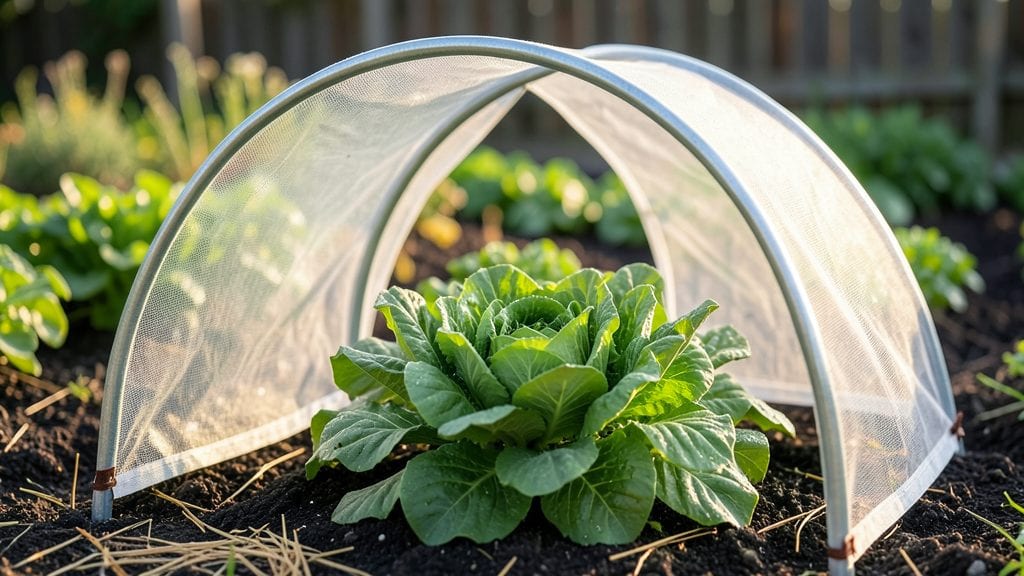
Mastering vege garden protection isn’t about harsh chemicals—it’s about smart, natural barriers that keep your plants thriving without harming the ecosystem. 🌱 I’ve tested everything from simple row covers to clever companion plantings, and the right mix can cut damage by 80% or more in just one season.
The beauty of these methods is how adaptable they are. You might use chicken wire to block rabbits, mesh netting to keep out squash bugs, or even plant marigolds around tomatoes to repel nematodes.
Most solutions cost under $20 and take less than an hour to set up—no fancy tools required.
What you’ll end up with is a garden where pests think twice before attacking, and your veggies grow strong and healthy. The best part? You’re not just protecting your plants—you’re creating a balanced, thriving space that works with nature, not against it.
Whether you’re dealing with deer, aphids, or late-season frosts, these techniques scale from small containers to full-size plots. Let’s get your garden shielded the right way—naturally and effectively.
📚 In This Guide
- What you need
- Instructions
- Tips and common mistakes
- Wrapping up and next steps
What you need
- ● Row Covers: Lightweight fabric (e.g., floating row covers or agricultural fabric) – 1–2 yards per 10-foot row (adjust based on garden size). Opt for breathable, UV-stabilized materials like polypropylene (e.g., blank">Reemay or blank">Agribon).
- ● Physical Barriers: Chicken wire (1/2"–1" mesh) – 1 roll (50 ft) for small gardens; 2+ rolls for larger plots. Use to deter burrowing pests like rabbits or gophers.
- ● Hardware cloth (1/4" mesh) – 4 ft x 8 ft sheets for raised beds or perimeter protection. Critical for rodents!
- ● Stakes & Supports: Bamboo stakes or galvanized metal stakes (6–12 inches long) – 4–6 per 10-foot row. Secure row covers without damaging plants.
- ● Hula hoops or PVC pipes (1–2 inch diameter) – 1 per 4–6 ft of row for hoop tunnels.
- ● Securing Supplies: Clips (plastic or metal) – 10–20 for row covers.
- ● Twine or zip ties – 1 spool for tying down barriers.
- ● Brass fasteners or landscape staples – for attaching hardware cloth.
- ● Diatomaceous earth (food-grade) – Sprinkle lightly around plant bases for slug/snail deterrence (reapply after rain).
- ● Copper tape – 1–2 rolls for raised bed edges to repel slugs.
- ● Essential oil sprays (e.g., peppermint or citrus) – Mix with water for a natural pest deterrent.
- ● Reflective tape – Cut into strips and hang near plants to confuse flying pests like aphids.
- ● Compost or mulch – 2–3 inches around plants to deter weeds and some pests.
- ● Measure your garden beds to determine material quantities.
- ● Check for existing pests (e.g., rabbits, deer, slugs) to tailor your barriers.
- ● Ensure your barriers are secure but breathable—plants need airflow!
- ● Plan for seasonal adjustments (e.g., remove row covers in summer if plants need pollination).
Step-by-Step guide to creating humane plant barriers
Here's how to build protective shields that keep pests out without harming wildlife or your garden's health.
🌱 Step 1: Assess Your Garden's Vulnerabilities
Start by identifying which pests are causing the most damage. Common culprits include rabbits, deer, squirrels, and slugs. Walk through your garden and look for chewed leaves, missing plants, or signs of digging. Focus on the most affected areas first—these will be your priority zones for protection.
Note how high the pests are reaching. Rabbits and deer typically target plants up to 4 feet tall, while squirrels may climb higher. This will determine the height of your barriers. For example, if rabbits are nibbling your lettuce, you'll need a barrier at least 3 feet high to keep them out.
🪴 Step 2: Choose the Right Barrier Materials
For humane protection, avoid plastic or metal that can harm animals or reflect harmful sunlight. Instead, opt for natural or breathable materials like hardware cloth (½-inch mesh), chicken wire, or sturdy fabric row covers. These allow water and air to pass through while keeping pests out.
If you're protecting young seedlings or low-growing plants, lay down cardboard or thick mulch as a temporary barrier. This works well for slugs and snails, which can't crawl over rough surfaces. For larger pests, secure your chosen material firmly around the garden bed using stakes or weights to prevent animals from pushing through.
☀️ Step 3: Install Barriers at the Right Time
Set up your barriers before pests become a problem. For example, install them in early spring before rabbits start grazing or cover tender seedlings as soon as they sprout. If you're dealing with an existing infestation, act quickly—pests won’t hesitate to return once they find a weak spot.
For row covers, drape them loosely over plants, securing the edges with soil or rocks. Leave enough room for air circulation to prevent overheating, especially in hot climates. Check your barriers regularly for gaps or tears, especially after rain or wind. A small hole is all it takes for pests to slip through.
✂️ Step 4: Maintain and Adjust Barriers Seasonally
Inspect your barriers every 2-4 weeks to ensure they're still intact and effective. Replace damaged sections immediately, and adjust the height or coverage if pests are finding new ways in. For example, if deer start jumping higher, extend your fence by 6-12 inches to stay ahead of their reach.
In late summer or early fall, remove barriers that are no longer needed, like those protecting winter-hardy plants. Store them in a dry place for next season. This also gives beneficial insects and pollinators easy access to your garden when protection isn’t required.
💧 Step 5: Combine Barriers with Companion Planting
For extra defense, pair your physical barriers with natural pest deterrents. Plant garlic, onions, or marigolds near vulnerable crops—their strong scents repel many pests. You can also sprinkle dried blood meal or cayenne pepper around the base of plants to discourage chewing animals.
If slugs or snails are a persistent issue, create a beer trap by burying a shallow dish filled with beer near affected plants. The pests will crawl in and drown, but this method is humane and targets only the pests. Always check traps daily to avoid attracting other wildlife.
Tips & tricks for humane vegetable garden protection
A few clever strategies that'll make your garden defenses both effective and wildlife-friendly.
Height Matters: When assessing your garden's vulnerabilities in Step 1, remember that rabbits and deer can jump surprisingly high. For maximum protection, aim for a barrier that's at least 4 feet tall—this accounts for their vertical reach while keeping your garden safe. I've seen deer clear 3-foot barriers with ease, so don't cut corners on height.
Material Selection Tip: In Step 2, if you're using hardware cloth or chicken wire, make sure to bury the bottom edge at least 6 inches deep to prevent digging pests like rabbits from tunneling underneath. For row covers, choose lightweight fabric that allows sunlight to penetrate while still blocking pests—heavy materials can smother your plants.
Timing is Everything: The advice in Step 3 about installing barriers before pests become a problem can't be stressed enough. I've learned this the hard way after watching rabbits completely devour my lettuce overnight. Set up your defenses in early spring when pests are just waking up from hibernation, and you'll catch them off guard. Also, check your barriers after every rainstorm—water can create gaps that pests will exploit.
Companion Planting Boost: When combining barriers with companion planting in Step 5, consider planting marigolds in a ring around your garden beds. Their strong scent repels many pests while adding beautiful color. For extra protection against slugs, sprinkle crushed eggshells around your plants—the sharp edges deter these slimy invaders without harming beneficial insects.
Pro Tips for Vege Garden Protection
- A few clever strategies that'll make your garden defenses both effective and wildlife-friendly.
- Height Matters: When assessing your garden's vulnerabilities in Step 1, remember that rabbits and deer can jump surprisingly high.
- Material Selection Tip: In Step 2, if you're using hardware cloth or chicken wire, make sure to bury the bottom edge at least 6 inches deep to prevent digging pests like rabbits from tunneling underneath.
Frequently asked questions
What are the best natural barriers for keeping rabbits out of my garden?
Use chicken wire (1-inch mesh) buried 6 inches deep or plant rabbit-resistant veggies like onions, leeks, and peppers. For a low-tech fix, wrap young plants in wire mesh sleeves or try a straw mulch barrier (rabbits dislike the texture). Avoid plastic fences—they can trap heat and harm soil.
How do I protect my garden from squirrels without trapping them?
Squirrels are clever climbers, so combine barriers: Use hardware cloth (¼-inch mesh) around raised beds and burlap sacks stuffed with pine cones (the scent deters them). For hanging plants, wrap tree trunks with metal collars. Harvest promptly—squirrels love ripe fruit and veggies!
When is the best time to install garden barriers?
Install barriers before planting (early spring) to prevent pests from accessing seedlings. If adding barriers later, check for existing tunnels or burrows (like molehills) and seal them with hardware cloth or castor oil spray. Reinforce barriers in late summer when pests are most active.
Are there any DIY barriers that work better than store-bought ones?
Try these budget-friendly options:
- Egg cartons (cut into strips and bury around plants to deter slugs).
- Crushed eggshells (scatter around seedlings—the sharp edges hurt slugs’ soft bodies).
- Coffee grounds (sprinkle around plants—caffeine repels ants and slugs).
- Old CDs or aluminum pie pans (hang them to create wind chimes; the noise scares birds).
My garden is still getting eaten—what’s my backup plan?
If pests persist, try repellent sprays like garlic or hot pepper spray (mix 1 tbsp cayenne with 1 quart water + dish soap). For ground pests, lay down diatomaceous earth (food-grade)—it’s non-toxic but deadly to insects. Rotate crops yearly to disrupt pest life cycles, and plant companion flowers (like marigolds) to mask veggie scents.
Wrapping up and next steps
Protecting your veggie garden doesn’t have to mean harsh chemicals or unwieldy fences—humane barriers keep pests at bay while preserving the health of your soil and plants.
From row covers to companion planting, these natural methods are simple, effective, and eco-friendly. Start small, experiment with what works best for your garden, and soon you’ll be harvesting bountiful, pest-free veggies with confidence!
Ready to take the next step? Pick one barrier from this guide and give it a try this season—your garden (and your veggies) will thank you! 🌱✨