
Succulent
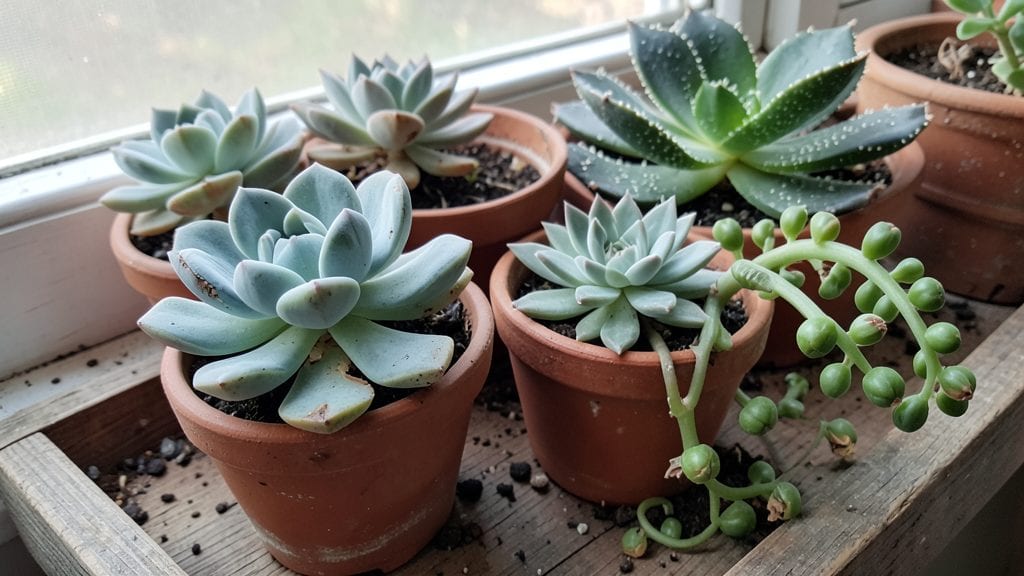
Creating an indoor succulent garden transforms blank spaces into lush, sunlit retreats that thrive with almost no effort. 🌿 I’ve designed these layered displays in my own home, and they’ve become the quietest, most satisfying part of my decor—no fuss, just vibrant green year after year.
The beauty of succulents lies in their versatility: you can mix textures with rosettes, trailing varieties, and spiky accents in a single arrangement. Start with a shallow tray or wide pot for drainage, then layer plants by height—tall ones at the back, cascading types at the edges.
A sunny windowsill or grow light keeps them happy, and watering every 2-3 weeks (less in winter) ensures they never wilt.
By the time you’re done, you’ll have a mini desert oasis that doubles as art—velvety leaves in jewel tones, geometric shapes, and even tiny blooms if you choose flowering varieties. The best part? These gardens stay vibrant with almost no upkeep, making them perfect for busy homes or offices.
Whether you go for a sleek terrarium, a boho-style hanging shelf, or a modern vertical wall, the key is playing with heights and colors. Let’s bring that green into your space without the maintenance headache!
📚 In This Guide
- What you need
- Instructions
- Tips and common mistakes
- Wrapping up and next steps
What you need
- ● Succulents: 3–10 small to medium-sized varieties (e.g., Echeveria, Haworthia, or Jade plants). Start with hardy species for beginners!
- ● Containers: 1–3 shallow pots (4–6 inches in diameter) with drainage holes (required for airflow).
- ○ Optional: A decorative tray or cache pot (without drainage) to hide soil and add style.
- ● Well-draining soil: 2–3 bags of cactus/succulent mix (or DIY blend: 60% potting soil + 40% perlite/pumice).
- ● Drainage layer: Small pebbles, pumice, or coarse sand (1–2 inches per pot).
- ● Watering can: A small, narrow-spout can to avoid oversaturating soil.
- ○ Spray bottle: For misting (optional but helpful for humidity-loving varieties).
- ● Grow lights: LED or fluorescent bulbs (6–12 inches above plants) for low-light spaces.
- ● Humidity tray: A shallow tray with pebbles and water to increase moisture for tropical succulents.
- ● Plant labels: Wooden or metal tags to track varieties (great for collections!).
- ● Fertilizer: Balanced, water-soluble fertilizer (diluted to half-strength) for occasional feeding.
- ● Pruning shears: Small, sharp scissors for trimming leggy growth.
- ● A sunny spot: South- or west-facing windowsill (or grow lights for 4–6 hours daily).
- ● Patience: Succulents thrive on neglect—overwatering is their #1 enemy! 💧🚫
- ● Basic care knowledge: Research your specific succulents’ needs (some love heat; others prefer cooler temps).
Step-by-Step instructions for creating indoor succulent gardens
Here's how to build a thriving, layered succulent display that thrives with minimal fuss.
🪴 Step 1: Choose and Prepare Your Containers
Start with 4 shallow containers (like wide ceramic bowls or wooden trays) for your layered garden. Each should have drainage holes—succulents hate soggy roots. I like terra cotta because it breathes and prevents rot. If your containers don't have holes, drill them yourself using a small drill bit.
Clean containers thoroughly with warm, soapy water to remove any residue. Rinse well and let them dry completely. Place a layer of pebbles or coarse sand (about ½ inch deep) in the bottom of each container. This creates a drainage layer that prevents soil from clogging the holes and keeps roots healthy.
🌱 Step 2: Layer Soil and Succulents Strategically
Fill each container with a cactus/succulent mix (never regular potting soil—it retains too much moisture). Use about 2 inches of soil in the base container, then 1 inch less in each successive layer above it. Press the soil down lightly so it's firm but not compacted.
Arrange succulents by size, placing the largest at the bottom layer and smallest at the top. Space them 1-2 inches apart—crowding leads to competition for light and water. For the 4 containers, I recommend starting with 3-5 plants per layer, adjusting based on their mature size. Gently press each plant into the soil until it stands upright.
☀️ Step 3: Position for Bright, Indirect Light
Succulents need 4-6 hours of bright, indirect light daily—a south- or east-facing window is ideal. If your space is low-light, supplement with a grow light placed 6-12 inches above the plants for 12-14 hours per day. Too little light causes leggy, stretched growth, while direct sun can scorch delicate leaves.
Rotate the containers a quarter turn weekly so all sides get even light exposure. You'll notice plants leaning toward the light? That's your cue to adjust their position. Avoid drafty areas—succulents dislike sudden temperature swings.
💧 Step 4: Water Sparingly and Monitor Growth
Water only when the top inch of soil feels completely dry—this usually means every 2-3 weeks, depending on humidity. Stick your finger in the soil to check; if it's damp, wait longer. Overwatering is the #1 killer of succulents, so less is always better. When watering, pour slowly until it drains from the bottom holes, then empty the saucer to prevent root rot.
Watch for new growth—healthy succulents will develop plump, vibrant leaves and may even produce offsets (baby plants). If leaves start wrinkling or turning yellow, you're either underwatering or overwatering. Adjust your schedule until you find the sweet spot for your home's conditions.
✂️ Step 5: Maintain and Expand Your Garden
Remove dead or dying leaves promptly with clean, sharp scissors. If a plant outgrows its spot, propagate it by gently twisting off a leaf and letting it callus for 2-3 days before placing it on dry soil. New roots will form in 2-4 weeks. This keeps your garden full and thriving without extra cost.
Every 6 months, refresh the top layer of soil in each container with ½ inch of fresh mix. This replenishes nutrients and prevents compaction. If a layer gets too crowded, consider splitting it into two smaller containers to give plants more room to grow.
Tips & tricks for perfect indoor succulent gardens
These simple strategies will help your layered succulent garden thrive with minimal effort and maximum impact.
Container Selection: Don't overlook the importance of container material in Step 1. Terra cotta is my top recommendation because it naturally wicks away excess moisture, but if you prefer plastic, look for containers with drainage holes and avoid glossy finishes that can trap heat. The key is ensuring each of your 4 containers has that critical drainage layer—no exceptions! I've seen succulents thrive in everything from vintage teacups to repurposed wooden crates, as long as they meet these basic requirements.
Soil Layering Strategy: When creating your soil layers in Step 2, think of it like building a moisture buffer system. The 2-inch base layer in your bottom container should be your firmest—press it down well to create stability. For the upper layers, reduce by 1 inch each time but keep the spacing between plants consistent at 1-2 inches. This creates an elegant visual progression while maintaining proper drainage throughout all 4 containers.
Light Management: The 4-6 hours of bright, indirect light mentioned in Step 3 is non-negotiable for succulent health. I've found that east-facing windows provide the perfect balance—gentle morning sun without harsh afternoon rays. For low-light situations, position your grow light 6-12 inches above and use it for the full 12-14 hours. Pro tip: Place a small mirror near your succulents to bounce extra light onto the back layers of your containers.
Watering Wisdom: That top inch soil check in Step 4 is your golden rule, but here's what nobody tells you: The 2-3 week watering schedule varies wildly based on your home's humidity. In dry climates, you might water every 3 weeks; in humid areas, stretch it to 4. Always water in the morning so excess moisture evaporates during the day. I've saved many a struggling succulent by simply adjusting to my home's specific rhythm.
Pro Tips for Indoor Succulent Gardens
- These simple strategies will help your layered succulent garden thrive with minimal effort and maximum impact.
- Container Selection: Don't overlook the importance of container material in Step 1.
- Soil Layering Strategy: When creating your soil layers in Step 2, think of it like building a moisture buffer system.
Frequently asked questions
Got questions about indoor succulent gardens?
You’re not alone! Here are answers to the most common queries to help you grow a thriving, low-maintenance green space—no green thumb required.
How often should I water my indoor succulent garden?
Succulents thrive on underwatering rather than overwatering. Water only when the top 1–2 inches of soil feel completely dry—usually every 2–4 weeks, depending on humidity and light. Use the "soak and dry" method: water deeply until it drains, then let excess water escape. Pro tip: Group succulents together to create a microclimate that retains moisture longer!
Can I grow succulents in shallow containers or terrariums?
Yes, but with a twist! Shallow containers work for small succulents or "fairy gardens," but ensure they have drainage holes. Terrariums are trickier—they trap humidity, risking rot. If using one, opt for open-top designs or a chalk or sand layer at the bottom to absorb excess moisture. Avoid sealing completely!
What do I do if my succulents get pests like mealybugs or aphids?
Act fast! Isolate the affected plant and wipe off pests with a soapy water solution (1 tsp mild dish soap + 1 quart water). For stubborn infestations, spray with neem oil (diluted) or introduce beneficial insects like ladybugs. Prune damaged leaves immediately to prevent spread. Pro tip: Check undersides of leaves—pests love hiding there!
How do I adjust care for succulents in winter?
Succulents enter dormancy in winter, slowing growth. Reduce watering to once every 4–6 weeks and move them to a bright, cool spot (50–60°F). Avoid drafts or heat sources like vents. If light is limited, supplement with a grow light 12–14 hours/day. Resume normal care in spring when growth resumes.
Are there low-maintenance succulent alternatives for busy plant parents?
Try these hardy picks:
- Haworthia: Nearly indestructible, thrives in low light.
- Sedum morganianum (Burro’s Tail): Slow-growing, drought-tolerant.
- Echeveria: Colorful and forgiving of occasional neglect.
- String of Pearls (Senecio rowleyanus): Trailing beauty that stores water in each bead.
Pair them with self-watering planters or hydroponic setups for zero-effort greenery!
Wrapping up and next steps
Creating an indoor succulent garden is a rewarding way to bring nature indoors with minimal effort! These hardy plants thrive in cozy spaces, offering year-round greenery that’s both stylish and easy to care for.
Whether you’re a beginner or a seasoned plant parent, the key is light, drainage, and patience—and the results will brighten up any room. 🌱
Ready to dive in? Start small with a single tray or a few pots, and let your green thumb grow—literally! Your next step? Pick your favorite succulents, gather your supplies, and watch your indoor oasis flourish.