
Tools
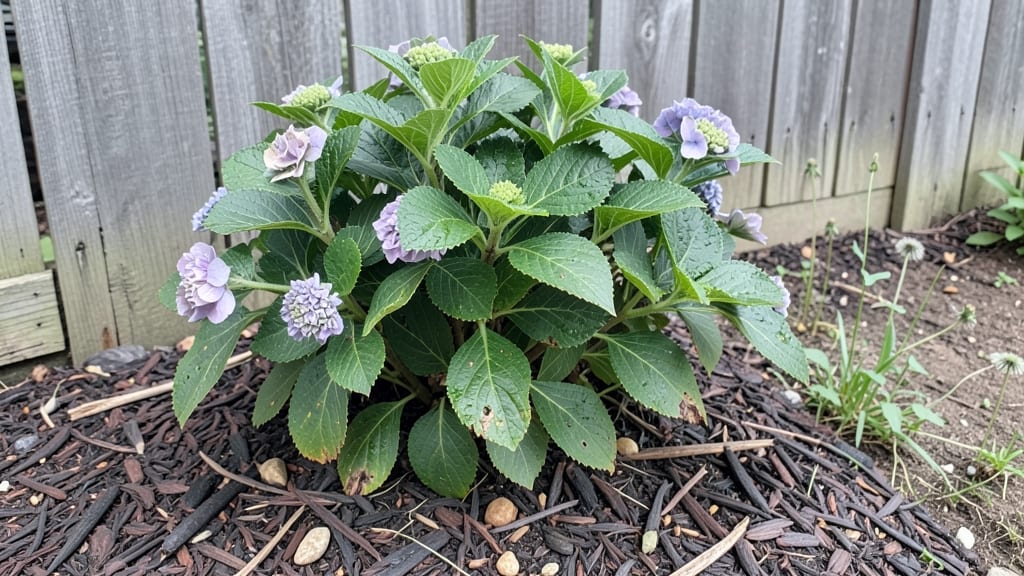
Old man gardening isn’t about youth—it’s about wisdom, patience, and the quiet joy of watching things grow without the fuss. 🌿 I’ve seen gardens thrive for decades with just a few intentional choices: the right plants, the right tools, and the right rhythm.
This isn’t about backbreaking work; it’s about creating spaces that feel like home, where every season brings something new without the stress.
The secret starts with plants that ask for little but give back so much—think lavender that hums with bees, rosemary that smells like summer, and daylilies that bloom like clockwork.
Add ergonomic tools with long handles so you don’t have to bend over, and a few raised beds to keep the soil easy on your knees.
It’s gardening that moves with you, not against you, and the results speak for themselves: a garden that’s always inviting, always alive, and always yours.
You’ll end up with a space that feels like a retreat, where the colors shift with the seasons—deep purples in spring, golden yellows in summer, and fiery reds in fall. The best part?
You’ll spend less time fighting weeds and more time enjoying the view, whether you’re sipping tea on the porch or watching grandchildren play among the flowers. It’s gardening that grows with you, not against you.
Works for any yard size, from a cozy backyard to a small balcony—just adjust the scale. The goal isn’t perfection; it’s peace. Let’s get started with the techniques that make gardening feel effortless, no matter your age.
📚 In This Guide
- What you need
- Instructions
- Tips and common mistakes
- Wrapping up and next steps
What you need
- ● Gardening Gloves (1-2 pairs) – Look for breathable, durable options (e.g., leather or synthetic) to protect your hands from thorns and dirt.
- ● Hand Trowel (1) – A stainless-steel, ergonomic trowel (6-8" blade) for digging, planting, and weeding.
- ● Pruning Shears (1) – Bypass-style shears (4-6" blades) for trimming plants and shrubs with precision.
- ● Watering Can (1-2) – A lightweight, 1-2 gallon can with a rose nozzle for gentle watering.
- ● Garden Hose with Adjustable Nozzle (1) – A flexible, kink-resistant hose (50-75 ft) with a showerhead attachment for efficient watering.
- ● Mulch (5-10 bags, 2-3 cubic feet each) – Organic mulch (e.g., shredded bark, pine straw) to retain moisture and suppress weeds.
- ● Compost or Fertilizer (1-2 bags) – A slow-release, balanced fertilizer (10-10-10 NPK ratio) or organic compost to enrich soil.
- ● Plant Markers (50+) – Reusable or biodegradable labels (e.g., wooden stakes, plant tags) to track your garden layout.
- ● Knee Pads or Seat Cushion (1) – For comfortable kneeling while tending to plants.
- ● Wheelbarrow or Garden Cart (1) – A lightweight, 2-3 cubic foot cart for hauling soil, mulch, or tools.
- ● Soil pH Test Kit (1) – To check and adjust soil acidity/alkalinity for optimal plant health.
- ● Solar-Powered Garden Lights (5-10) – For low-maintenance evening illumination without wiring hassles.
- ● Bird Feeder (1) – Encourages natural pest control while adding charm to your garden.
Step-by-step instructions for old man gardening
Here's the straightforward approach I've used for decades—minimal effort, maximum beauty.
🪴 Step 1: Choose the Right Plants for Your Space
Old man gardening thrives on perennials and native plants that return year after year without fuss. I always select drought-tolerant varieties like lavender, Russian sage, or black-eyed Susans—these handle heat and neglect beautifully. For shady spots, hostas and ferns spread effortlessly once established.
Skip annuals unless you're committed to replanting. The key is choosing plants that match your climate and soil type. If your yard has clay soil, opt for plants like peonies or daylilies that thrive in heavy ground. For sandy soil, try sedum or yarrow—they love well-drained conditions.
☀️ Step 2: Design for Low Maintenance
Group plants with similar water needs together to simplify irrigation. I create three distinct zones: dry-loving plants in the front, medium-needs in the middle, and thirsty ones near the back. This way, I can water each section differently without overcomplicating things.
Use mulch (2-3 inches thick) to suppress weeds and retain moisture. I spread it right after planting and refresh it annually in early spring. This single step cuts down on weeding by 80%. Choose organic mulch like shredded bark or pine straw—it breaks down slowly and improves soil over time.
💧 Step 3: Water Wisely and Less Often
Deep watering once a week is far better than daily shallow watering. I set a timer for 15-20 minutes per zone and let the water soak in. This encourages deep root growth, making plants more resilient. Water in the early morning to reduce evaporation and fungal diseases.
Check soil moisture by sticking your finger 2 inches deep. If it feels dry, water again. If it's still damp, wait another day. Overwatering is the fastest way to kill a low-maintenance garden—most old man plants will tell you when they're thirsty by wilting slightly.
✂️ Step 4: Prune Strategically
Prune only when necessary—usually in late winter or early spring before new growth starts. I remove dead or diseased branches first, then trim back any overgrown stems by about one-third. For flowering perennials, I deadhead spent blooms to encourage more flowers, but I never cut back more than a third of the plant at once.
Use clean, sharp shears to make precise cuts just above a leaf node. Ragged cuts invite disease, and dull tools crush stems. I sterilize my pruners with rubbing alcohol between cuts to prevent spreading any hidden pathogens. This simple habit keeps plants healthy for years.
🌿 Step 5: Let Nature Do the Work
Resist the urge to tidy up every fallen leaf or seed head. Many plants self-seed or spread naturally, creating a lush, full garden with minimal effort. I only intervene if something becomes truly unruly—like mint taking over the yard, which I contain in pots instead.
Embrace the messy charm of a mature garden. Birds and beneficial insects thrive in untamed spaces, and the soil stays healthier with organic matter left in place. The goal isn't a perfect lawn but a thriving, self-sustaining landscape that requires less and less attention each year.
Tips & tricks for perfect old man gardening
Here's what nobody tells you—these simple tricks will turn your garden into a self-sustaining oasis with almost no effort.
The Plant Selection Secret: I learned this the hard way after struggling with finicky annuals. Stick to native perennials—they've already adapted to your local climate and soil. For example, if you're in a hot, dry region, Russian sage and black-eyed Susans will thrive with almost no watering. Check your local nursery's "native plants" section—they'll have the perfect matches for your yard.
Mulch Like a Pro: That 2-3 inch layer of mulch isn't just decoration—it's your weed barrier and moisture retainer. I use shredded bark mulch because it breaks down slowly and improves soil over time. Pro tip: Refresh it every spring before new growth starts. This single step cuts my weeding time by 80% and keeps soil temperatures stable.
Watering Wisdom: Those 15-20 minutes per zone are more important than you think. Set a timer and let the water soak in completely—this encourages deep root growth. I water in the early morning because it gives plants time to dry out during the day, preventing fungal diseases. And here's the thing: if your finger comes out of the soil clean at 2 inches deep, you're watering too much.
Pruning Perfection: When you're trimming those overgrown stems by one-third, make clean cuts just above a leaf node. I sterilize my pruners with rubbing alcohol between cuts—it takes 10 seconds but prevents spreading diseases. For flowering perennials, I deadhead spent blooms to encourage more flowers, but I never cut back more than a third at once. This keeps plants healthy and blooming all season.
Pro Tips for Old Man Gardening
- Here's what nobody tells you—these simple tricks will turn your garden into a self-sustaining oasis with almost no effort.
- The Plant Selection Secret: I learned this the hard way after struggling with finicky annuals.
- Mulch Like a Pro: That 2-3 inch layer of mulch isn't just decoration—it's your weed barrier and moisture retainer.
Frequently asked questions
Got questions?
Gardening in your golden years is all about working with nature—not against it. Here’s what you need to know to keep your green thumb thriving without the strain.
What are the easiest plants for an older gardener to grow?
Opt for low-maintenance, slow-growing plants like lavender, herbs (basil, thyme), succulents, or dwarf fruit trees. These require minimal watering, pruning, and upkeep. Container gardening is also a great way to control space and reduce bending!
How can I garden without hurting my back or joints?
Use ergonomic tools with long handles, kneeling pads, or raised garden beds to minimize bending. Break tasks into short sessions and prioritize accessibility—place frequently used tools within arm’s reach. Hydrangeas and daylilies are perfect for border planting to avoid deep digging.
What’s the best watering schedule for older adults?
Water deeply but infrequently—early morning is ideal to reduce evaporation. Use drip irrigation or soaker hoses to automate the process. Mulch around plants to retain moisture and cut down on weeding. Pro tip: Group plants with similar water needs together!
Are there tools designed specifically for older gardeners?
Yes! Look for lightweight, cushioned-grip tools (like the Fiskars X27 or Radiah ergonomic line). Long-handled tools, wheelbarrows with seats, and self-watering planters can make a world of difference.
Can I still garden if I live in an apartment?
Balcony or patio gardening is perfect for small spaces. Use hanging planters, vertical gardens, or window boxes to grow herbs, flowers, or even dwarf vegetables. Just ensure your containers have drainage holes and choose sun-tolerant varieties.
Wrapping up and next steps
Gardening in your golden years doesn’t mean slowing down—it’s about working smarter, not harder. 🌱 From choosing the right tools to embracing low-maintenance plants, these timeless techniques prove that age is just a number when it comes to cultivating beauty.
Whether you’re tending to a small balcony or a sprawling yard, the key is joy, patience, and adaptability.
Ready to grow? Start small—pick one technique from this guide and turn it into a weekly ritual. Before you know it, your garden (and your spirit) will flourish! 🌿