
Tools
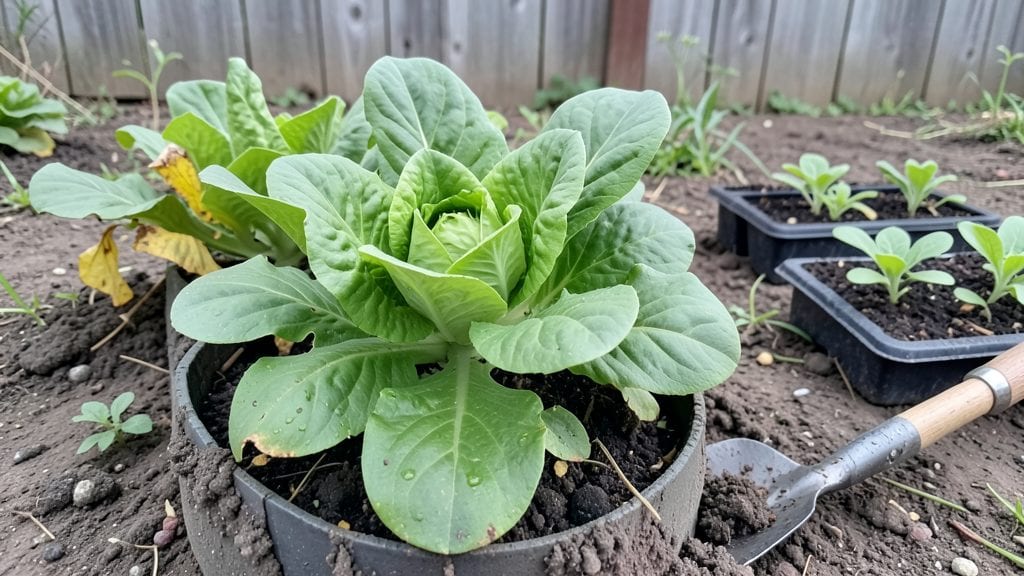
My vertical patio garden transformed a concrete slab into a lush, fragrant oasis—all with plants that climb instead of sprawl. 🌿 The key was choosing vines that thrive upward: jasmine for scent, morning glories for color, and nasturtiums for edible blooms that cascade beautifully.
I swapped empty wall space for a living tapestry that attracts bees and keeps my balcony cooler in summer.
You don’t need fancy setups—just sturdy trellises, wall-mounted pockets, or even repurposed pallets. My favorite combo uses 5-gallon fabric grow bags hung in tiers for trailing herbs like thyme and oregano, while a simple metal grid holds my clematis.
The best part? You’ll reclaim floor space for seating or dining while growing more than you could in a traditional bed.
By mid-summer, you’ll have a sun-dappled vertical garden that feels like a secret garden. The morning glories open at dawn, the jasmine releases its evening perfume, and the nasturtiums produce flowers for months. Plus, the structure keeps pests off your plants—no more aphid invasions ruining your patio greens.
Works for any balcony, courtyard, or small yard. Start with one section and expand as you see what thrives—my second year added a vertical herb spiral that’s now the star of the space. Ready to turn walls into harvests?
📚 In This Guide
- What you need
- Instructions
- Tips and common mistakes
- Wrapping up and next steps
What you need
- ● Vertical Garden Structure: Wall-mounted planter (fabric, wooden, or metal) – size depends on space (e.g., 4’x8’ for a full wall)
- ● OR freestanding trellis (bamboo, PVC, or metal) – height: 5’–8’
- ● Growing Medium: Coco coir or peat moss (1–2 bags, 2–3 cubic feet per planter)
- ● Perlite or vermiculite (1 small bag for drainage)
- ● Compost or organic fertilizer (1 bag, balanced NPK ratio)
- ● Climbing Plants: Choose 3–5 varieties (e.g., jasmine, clematis, ivy, or passionflower)
- ● Hardware: Stainless steel screws & anchors (for wall mounting)
- ● Drill & drill bits (if assembling structures)
- ○ Watering Supplies: Drip irrigation kit (optional but ideal)
- ● Watering can with a long spout (1–2)
- ● LED grow lights (for low-light patios)
- ● Self-watering reservoir (to reduce maintenance)
- ● Decorative pebbles or mulch (for aesthetics & moisture retention)
- ● Plant ties or soft twine (to guide vines)
- ● Solar-powered timer (for automated watering)
Step-by-step guide to building a vertical patio garden
Transform your small space into a lush vertical oasis with these climbing plants that thrive upward.
🪴 Step 1: Choose the Right Vertical Structure
Start with a sturdy frame that matches your patio size—4-foot-tall trellises work well for most spaces. I like using metal or wooden lattice panels because they’re lightweight yet durable. If you’re working with limited weight support, opt for fabric grow bags or wall-mounted pockets filled with lightweight potting mix.
Secure the structure firmly to your patio railing, wall, or fence using L-brackets or heavy-duty screws. For renters, adhesive hooks or freestanding frames are great alternatives. The key is stability—you don’t want your plants toppling in a breeze. Test it by gently pushing the frame before planting.
🌱 Step 2: Select Fast-Growing Climbing Plants
Pick 4-6 plants that love vertical spaces, like morning glories, nasturtiums, or ivy. These thrive in containers or pockets and grow quickly. For edibles, pole beans or cucumbers are perfect—they’ll climb and produce abundantly. Avoid heavy vines like wisteria unless you’re prepping for a permanent structure.
Plant seeds ½ inch deep in lightweight potting mix (never garden soil—it’s too dense for vertical setups). Water gently until the soil is evenly moist but not soggy. Place the pots or pockets near the base of your vertical frame so vines can reach upward immediately.
☀️ Step 3: Position for Sunlight and Support
Most climbing plants need 6+ hours of sunlight daily, so place your vertical garden where it gets morning sun or afternoon shade (depending on the plant). If your patio only gets partial sun, choose shade-tolerant vines like clematis or sweet potato vine.
Train vines to climb by tying them loosely to the trellis with soft twine or plant ties every 4-6 inches as they grow. Don’t pull too tight—you want gentle guidance, not strangulation. Watch for new growth curling around the frame—that’s your cue to secure it before it gets too heavy.
💧 Step 4: Water and Fertilize Consistently
Vertical gardens dry out faster because pots and pockets have less soil. Water every 2-3 days until the top inch of soil feels dry. Use a watering can with a narrow spout to reach deep into pockets without overflowing. Avoid overhead watering—it can wash away soil and encourage mold.
Feed plants every 4 weeks with a balanced liquid fertilizer (like 10-10-10) to keep them thriving. I like to mix it into my watering can for easy application. You’ll notice darker green leaves and faster growth within a week of fertilizing—signs your plants are happy and climbing.
✂️ Step 5: Prune and Maintain for Year-Round Growth
Trim back overgrown vines in late summer to encourage new blooms or harvests. For edibles like pole beans, pinch off yellowing leaves to redirect energy to production. If your plants look leggy, they need more light—move the structure closer to a sunny spot.
In fall, cut back dead or damaged vines but leave some foliage for winter interest. For perennial climbers like ivy or clematis, mulch the base with 2 inches of shredded bark to protect roots. With proper care, your vertical garden will bloom or produce again next season—just like magic.
Tips & tricks for perfect vertical patio gardens
Here's what I learned after transforming my own patio into a thriving vertical garden—these tricks make all the difference for healthy, happy plants.
Structure Stability is Everything: Real talk: I learned this the hard way after watching a trellis collapse under the weight of my morning glories. When securing your 4-foot-tall trellis, use at least two L-brackets or screws on each side. For renters, I recommend adhesive hooks rated for 20+ pounds each—test them by hanging a gallon of water before planting. A wobbling frame means struggling plants.
Plant Selection Matters More Than You Think: Don't just grab any climbing plants—morning glories and nasturtiums grow fast and handle containers beautifully, but they're annuals. For year-round interest, mix in perennial ivy or clematis. I've found that planting 2-3 fast growers (like pole beans) with 1-2 perennials creates the perfect balance of seasonal color and structure.
Watering Wisdom for Vertical Gardens: The biggest mistake I see is treating vertical gardens like ground gardens. Those lightweight fabric pockets dry out in half the time! I set a timer to check moisture every 2-3 days, focusing on the top inch of soil. Pro tip: Use a watering can with a narrow spout—it delivers water exactly where it's needed without creating runoff that washes away precious soil.
Fertilizer Frequency Pays Off: I used to fertilize my patio plants the same as ground plants—once a month felt like enough. Then I noticed my vertical garden was lagging. The key is that liquid fertilizer like 10-10-10 breaks down faster in containers. I now fertilize every 3 weeks and see dramatically darker green leaves within days. Think of it as giving your plants a vitamin shot—they'll reward you with faster growth and more blooms.
Pro Tips for Vertical Patio Garden
- Here's what I learned after transforming my own patio into a thriving vertical garden—these tricks make all the difference for healthy, happy plants.
- Structure Stability is Everything: Real talk: I learned this the hard way after watching a trellis collapse under the weight of my morning glories.
- Plant Selection Matters More Than You Think: Don't just grab any climbing plants—morning glories and nasturtiums grow fast and handle containers beautifully, but they're annuals.
Frequently asked questions
Got questions about creating a stunning vertical patio garden? Here are some answers to help you get started!
What are the best climbing plants for beginners?
Start with low-maintenance vines like English Ivy (great for shade) or Sweet Pea (fragrant and fast-growing). For sun-loving spaces, try Morning Glory or Nasturtium—both thrive in containers and add vibrant color. Avoid toxic varieties like Oleander or Wisteria unless you’re experienced!
How long does it take for a vertical garden to look full?
Most climbing plants take 4–12 weeks to show noticeable growth, depending on sunlight and care. Fast growers like Honeysuckle or Jasmine may fill gaps in 2–3 months, while slower varieties (e.g., Clematis) could take a season. Pro tip: Use trellises or netting early to guide vines and speed up coverage!
Do vertical gardens need special watering?
Yes! Since soil dries faster in elevated planters, water 2–3 times weekly (daily in hot climates). Use a drip irrigation system or self-watering planters to keep roots consistently moist. Troubleshooting: Yellow leaves? Overwatering or poor drainage may be the culprit—check for root rot!
Can I build a vertical garden on a balcony with no gardening experience?
Start with pre-made wall-mounted planters or hanging pockets—no tools required. Opt for herbs (basil, mint) or succulents for foolproof greenery. If DIY appeals, use lightweight materials like fabric grow bags or recycled pallets. Alternative: Try a vertical herb spiral for compact, high-yield results!
How do I keep pests away from my vertical garden?
Prevent pests with neem oil sprays or companion planting (e.g., marigolds deter aphids). Check leaves weekly for chewed edges or sticky residue (signs of pests). For severe infestations, introduce ladybugs or praying mantises. Quick fix: Wipe leaves with soapy water to remove eggs!
Wrapping up and next steps
Creating a vertical patio garden is more than just a trend—it’s a game-changer for small spaces! 🌿 With the right climbing plants, you can transform bare walls into lush, thriving greenery that boosts curb appeal and air quality.
Whether you’re a beginner or a green thumb, the key is starting small, choosing the right plants, and letting nature do the work.
Ready to grow your space vertically? Start by picking one or two plants from our list, gather your supplies, and let your patio become a vibrant oasis. Happy gardening—your future self (and your plants!) will thank you!