
Watering
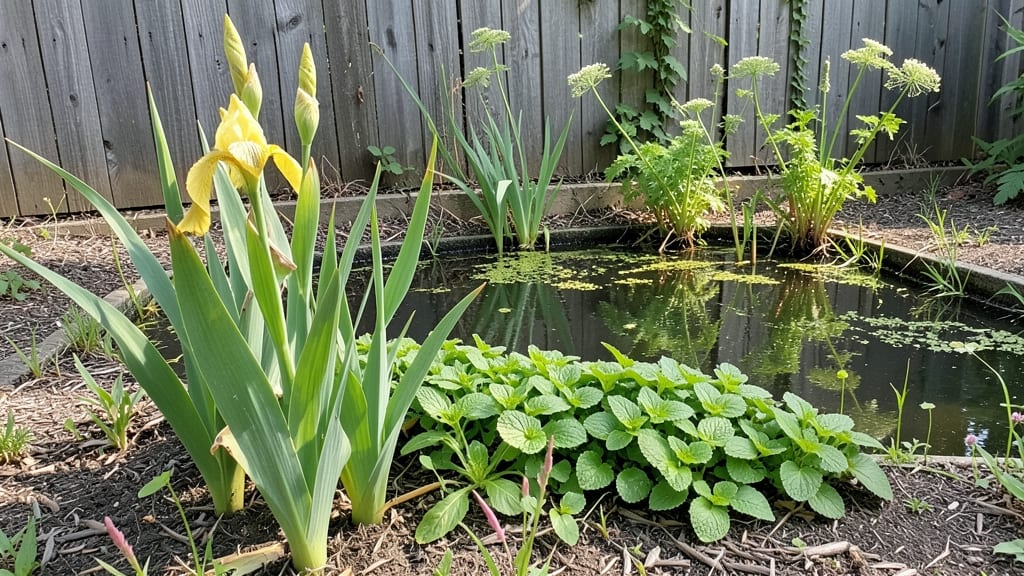
Transforming your backyard into a water garden park isn’t just about adding water—it’s about creating a living sanctuary where every ripple feels like a sigh of relief. 💚 I’ve designed my own oasis with a cascading waterfall, a koi pond, and blooms that stay vibrant from spring through frost, and I’ll show you how to make it work for your space too, no matter its size.
The magic starts with a simple layout: a central pond (even a 6-foot diameter works) surrounded by tiered water features—think small streams or bubbling fountains—to draw the eye.
Low-maintenance aquatic plants like water lilies and horsetail reeds keep the space lush without constant upkeep, while moisture-loving perennials around the edges add color. Koi add life, but they’re optional—goldfish or even a single fountain can create the same tranquil vibe.
By summer, you’ll have a spot where the sound of water drowns out city noise, and by autumn, the blooms like canna lilies and water hyacinths will still be putting on a show.
The best part? Once the water feature is installed, the rest is just adding plants and enjoying the view—no complicated systems to maintain.
Whether you’re working with a sunlit courtyard or a shady corner, these ideas adapt easily. The key is starting small—even a single water feature can become the heart of your retreat. Let’s turn your space into a peaceful escape, one ripple at a time.
📚 In This Guide
- What you need
- Instructions
- Tips and common mistakes
- Wrapping up and next steps
What you need
- ● Pond liner: 45-mil EPDM rubber liner (size depends on pond dimensions; e.g., 10’x15’ pond ≈ 200 sq. ft. coverage).
- ● Underlayment: Pond underlayment fabric (same size as liner to prevent punctures).
- ● Water: 500–2,000 gallons (depends on pond size; use a calculator for accuracy).
- ● Pump & filter: Submersible pump (500–2,000 GPH) + biological filter (e.g., 1,000-gallon capacity).
- ● Rocks & stones: 50–100 lbs of smooth river rocks (1–3" diameter) for edging and water features.
- ● Plants: Marginal plants (e.g., Iris, Cattails) – 3–5 per pond edge.
- ● Floating plants (e.g., Water Lilies) – 2–4 plants for coverage.
- ● Submerged plants (e.g., Hornwort) – 10–15 stems for oxygenation.
- ○ Fish (optional): 3–5 koi or goldfish (1" per 10 gallons of water).
- ● Shovel & spade (heavy-duty, 12–18" blades).
- ● Level & measuring tape (for precision).
- ● Wheelbarrow (2–3 cu. ft. for hauling soil/rocks).
- ● Pond vacuum (for debris removal).
- ● Water test kit (to monitor pH, ammonia, nitrites).
- ○ Optional: Waterfall kit (pre-formed or DIY with PVC pipes + pump).
- ● Solar-powered lights (floating or LED path lights).
- ● Bamboo or decorative fencing (for privacy).
- ● Bench or seating area (weather-resistant wood/plastic).
- ● Water feature add-ons (e.g., fountains, bubblers).
- ● Wildlife-friendly elements (e.g., frog houses, bees for pollination).
How to design a water garden park for year-round beauty
Here’s the simple, step-by-step approach I’ve used to create peaceful water gardens that thrive in any season.
🪴 Step 1: Plan Your Water Garden Layout
Start by sketching your space on paper. A well-designed water garden balances movement (waterfalls, fountains) with stillness (ponds, plantings). I recommend a 3:1 ratio—three parts still water to one part flowing water—for harmony. Place your waterfall near the edge of the pond so it cascades naturally, creating a focal point.
For a 4-person retreat, allocate space for seating (like a curved stone bench) near the water’s edge. Include a shallow area (6-12 inches deep) for marginal plants like irises or cattails, and a deeper section (18-24 inches) for koi or aquatic plants. Mark these zones with stakes before digging.
☀️ Step 2: Build the Pond Structure
Dig the pond shape first, ensuring the deepest point is at least 24 inches deep for fish or aquatic plants. Line the edges with a flexible pond liner (like EPDM rubber) to prevent leaks. Overlap the liner seams by 6 inches and secure them with waterproof tape.
For the waterfall, create a gentle slope (1:3 ratio) from the pond’s edge to the base. Use field stones to build the cascade, leaving gaps for water to flow through naturally. Test the flow by filling the pond with 2-3 inches of water and adjusting the stones until the stream looks smooth and steady.
🌿 Step 3: Add Plants for Year-Round Interest
Start with marginal plants like water lilies or pickerelweed along the shallow edges. These thrive in 6-12 inches of water and add vibrant blooms from spring to fall. For winter interest, plant hardy water plants like yellow flag iris or sweet flag—they stay green even in cold months.
Add floating plants like water hyacinth or lotus to shade the water and prevent algae. These also provide habitat for beneficial insects and fish. Space them evenly so they don’t overcrowd. I like to place a few bog plants (like marsh marigolds) in the transition zone between land and water for extra texture.
💧 Step 4: Install the Water Feature
Use a submersible pump to create the waterfall effect. Place it in the deepest part of the pond and run the tubing up the slope, letting it spill over the stones. Adjust the pump’s flow rate to match the size of your waterfall—too strong, and it’ll erode the rocks; too weak, and it’ll look sluggish.
Add a small recirculating filter to keep the water clear. Clean it every 4-6 weeks to prevent clogs. For extra ambiance, include a bubble fountain in the center of the pond. The gentle bubbles create a soothing sound and improve oxygen flow for fish or plants.
⏰ Step 5: Maintain for Long-Term Serenity
Check the water level weekly and top off with dechlorinated water (let tap water sit for 24 hours or use a water conditioner). Remove fallen leaves and debris monthly to keep the pond healthy. In early spring, trim back dead foliage from aquatic plants but leave winter interest plants until they’ve finished their cycle.
Feed koi or fish sparingly—only what they can eat in 2-3 minutes daily—to avoid polluting the water. Test the water monthly for pH and ammonia levels. A balanced ecosystem keeps your water garden thriving with minimal effort, so you can enjoy it year after year.
Tips & tricks for perfect water garden design
A few thoughtful touches transform a good water garden into a stunning year-round retreat. These are the details that make all the difference.
Depth Matters: The 24-inch deep zone you create isn't just for aesthetics—it's essential for fish and aquatic plants. This depth prevents freezing completely in winter and provides the stable environment koi need. If you're in a colder climate, consider adding a small pond heater during extreme cold snaps to maintain this depth and keep your aquatic life safe.
Flow Rate Balance: When testing your waterfall with just 2-3 inches of water, pay attention to how the stones interact with the flow. You want a smooth, steady cascade—not too forceful that it erodes the rocks, nor too weak that it looks stagnant. Adjust the pump flow gradually to achieve that perfect "just right" moment where the water looks alive but controlled.
Plant Placement Strategy: The 6-12 inch shallow zone for marginal plants isn't just about depth—it's about sunlight exposure too. Position your water lilies and pickerelweed where they'll get morning sun but afternoon shade in hotter climates. This prevents them from overheating while still getting enough light to thrive. The deeper 18-24 inch section should get filtered light—think of it like the underwater forest floor of your pond ecosystem.
Maintenance Shortcuts: That monthly debris removal doesn't have to be a chore. Invest in a fine-mesh pond net with a long handle—it makes skimming leaves and debris from the surface effortless. For the weekly water checks, keep a small bucket of dechlorinated water nearby so you can top off the pond without running back and forth to the tap. A few minutes of prep now saves hours of frustration later.
Pro Tips for Water Garden Park
- A few thoughtful touches transform a good water garden into a stunning year-round retreat.
- Depth Matters: The 24-inch deep zone you create isn't just for aesthetics—it's essential for fish and aquatic plants.
- Flow Rate Balance: When testing your waterfall with just 2-3 inches of water, pay attention to how the stones interact with the flow.
Frequently asked questions
Got questions about creating your own water garden park? You’re not alone! Here are some of the most common queries—and their answers—to help you design a tranquil oasis with confidence.
What’s the best time of year to start a water garden?
The ideal time is early spring (after the last frost) or fall (before freezing temps). This gives plants time to establish roots before extreme weather. If you’re adding fish (like koi), wait until water temps are stable—above 60°F (15°C)—to avoid stressing them.
How much maintenance does a water garden really require?
Less than you’d think! Skim debris weekly, test water quality monthly (pH, ammonia, nitrites), and prune plants seasonally. A small pump (for circulation) and occasional algae treatments keep things lush. Pro tip: Add a few hardy plants (like water lilies or cattails) to naturally filter water and reduce upkeep.
Can I build a water garden in a small space?
Containers, raised beds, and even wall-mounted cascades work for balconies or tiny yards. Opt for dwarf varieties of plants (like mini lotus or bog plants) and a compact pump. A 5-gallon pond can even host small fish or aquatic insects for a mini ecosystem!
What’s the cheapest way to start a water garden?
Skip preformed ponds—dig a hole, line it with a pond liner (or even a heavy-duty tarp), and use rocks or gravel for filtration. Thrift stores often have secondhand pumps, and native plants (like pickerelweed or sweet flag) thrive with minimal care. Start small: A $50–$100 setup can yield big rewards!
Why is my water garden turning green or cloudy?
Green water = algae (common in sunny spots). Try:
- Adding shade (floating plants like water hyacinth).
- Increasing circulation with a fountain or aerator.
- Testing for excess nutrients (from fish waste or fertilizer) and adjusting.
Still stumped? Drop your question below—we’re happy to help you troubleshoot!
Wrapping up and next steps
A water garden park is more than just a backyard oasis—it’s a tranquil escape that brings nature’s beauty and peace right to your doorstep.
Whether you’re drawn to the soothing sounds of waterfalls, the elegance of koi gliding through ponds, or the vibrant blooms of year-round flowers, this serene retreat offers endless relaxation and joy. 🌿
Ready to transform your space? Start small—sketch a simple design, gather your materials, and take the first step toward creating your own slice of paradise. The reward of a thriving water garden is worth every drop of effort!