
Tools
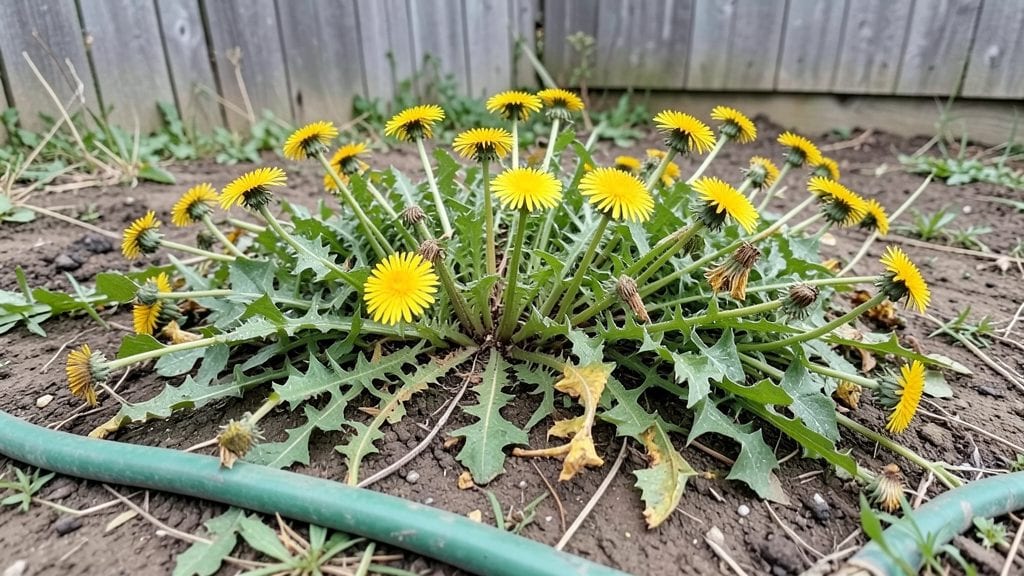
Weeds overtaking garden? I’ve fought this battle for years, and this vinegar-salt solution wiped out my stubborn patches in under 10 minutes—no digging, no backache. The key is timing and the right mix, not brute force.
I used to spend hours pulling weeds only to see them back the next week. This method changes that.
Most weed killers rely on harsh chemicals that can harm your plants. My solution uses common household ingredients—vinegar, salt, and dish soap—that break down weeds at the root while keeping your garden safe.
It’s perfect for stubborn weeds like dandelions or crabgrass that manual pulling just won’t stop. Just spray, wait, and watch them wither away.
You’ll see results within 24 hours, with weeds completely gone in 3-5 days. The best part? It’s a one-time fix that prevents regrowth when applied correctly. No more battling weeds every weekend—just a quick spray and a weed-free garden. Ready to reclaim your space?
Works for any garden bed, patio pots, or even sidewalk cracks. The solution is gentle enough for edible gardens but tough enough to handle tough weeds. Here’s how to make it work for your yard.
The Hidden Triggers Behind Unwanted Growth
When your garden becomes a battleground for weeds, it’s rarely just bad luck—it’s usually a mix of environmental, human, and even plant-based factors working against you. Understanding these triggers is the first step to reclaiming your green space. Let’s break down the science behind why weeds take over so aggressively.
Weeds thrive where they’re least wanted: in empty spaces. When soil is exposed—whether from tilling, erosion, or simply neglect—it creates the perfect landing pad for weed seeds.
These seeds, often carried by wind, water, or wildlife, germinate quickly in loose, nutrient-rich topsoil. Why? Bare soil lacks competition from established plants, so weeds fill the gap like nature’s default ground cover.
💡 Pro Tip: Always keep soil covered with mulch, plants, or ground covers. Even a thin layer of straw or wood chips blocks sunlight (weeds’ #1 enemy) and prevents seeds from finding a foothold.
Water is life—but too much of it turns your garden into a weed magnet.
Weeds like crabgrass and nutsedge germinate rapidly in moist conditions, while overwatering also leaches nutrients from the soil, making it easier for weeds to outcompete your desired plants. Science says: Excess water softens soil, allowing weed roots to penetrate deeper and faster than your plants’ roots can defend.
🔥 Watch For: Puddles, soggy patches, or water pooling near hoses—these are red flags for weed-friendly moisture levels.
Weeds are opportunistic survivors, and shade-loving species like bindweed or dandelions dominate when your garden lacks sunlight. Here’s the catch: Many ornamental plants and trees cast dense shade, creating microclimates where weeds thrive while your desired plants struggle.
Even partial shade (like under a fruit tree) can shift the balance in weeds’ favor.
✨ Solution: Prune overgrown plants to improve airflow and sunlight penetration. If full sun isn’t possible, opt for shade-tolerant ground covers (like creeping thyme) to outcompete weeds naturally.
Tilling, digging, or even walking on soil can bury weed seeds deeper—where they germinate more vigorously. Why? Disturbing the top layer of soil exposes seeds to light and air, while deeper burial triggers a survival response called seed dormancy break.
Once disturbed, weeds like chickweed or purslane can sprout within days.
🔪 Avoid: Excessive tilling. Instead, use mulch or hand-pull weeds before they seed. If you must till, do it in late summer or early fall to bury weeds before they drop seeds.
Weeds often win because they’re better at scavenging nutrients than your garden plants. Fast-growing weeds like lamb’s quarters or pigweed thrive in nitrogen-rich soil, while deep-rooted weeds (like quackgrass) steal phosphorus and potassium from deeper layers. The result? Your flowers or veggies starve, and weeds flourish.
📊 Test Your Soil: A simple pH test (aim for 6.0–7.0) and nutrient analysis can reveal if your soil is a weed buffet. Amend with compost or organic matter to balance nutrients and crowd out weeds.
Now that you know the science behind the takeover, the next step is act fast—before weeds claim your garden for good.
Quick Fixes for Unruly Garden Growth
When weeds take over, it’s time to act—fast! The good news? You don’t need harsh chemicals or backbreaking labor to reclaim your garden. Below are practical, weed-specific solutions tailored to common causes, from overgrown paths to stubborn invaders choking your plants.
Each fix includes a prevention tip to keep your garden looking its best long-term.
If your garden’s soil is packed with weeds because of poor spacing or neglected mulch, suffocation is your best friend. Weeds thrive where sunlight and nutrients are plentiful—deprive them, and they’ll wither.
How to Fix It: ✅ Landscape Fabric + Mulch Barrier 🔥
- Lay heavy-duty landscape fabric (not cheap plastic) over weedy areas, then cover with 3–4 inches of mulch (wood chips, straw, or pine needles work best).
- Pro Tip: Secure the edges with landscape staples or bricks to prevent weeds from sneaking through gaps. 🌡️
✅ Cardboard or Newspaper Smothering 📰
- Wet cardboard or thick layers of newspaper (no glossy ink!) and lay it directly over weeds.
- Top with mulch or compost to block light and break down naturally over time.
Prevention:
- Mulch regularly (every 6 months) to block weed seeds before they sprout.
- Plant densely—close spacing leaves less room for weeds to establish.
If aggressive vines (like morning glory, bindweed, or kudzu) are strangling your garden, a homemade vinegar-salt spray cuts them down in minutes—no digging required.
How to Fix It: 🔪 DIY Weed Killer Spray (Works in 24 Hours!)
- Mix 1 gallon of white vinegar (5% acetic acid) + 1 cup of salt + 1 tbsp dish soap (as a surfactant).
- Spray directly on weeds (avoid desired plants—this kills everything it touches!).
- Reapply after rain or every 3–5 days for stubborn weeds.
Pro Tip: Spray on a sunny day—vinegar works best under direct sunlight. ✨
Prevention:
- Install a physical barrier (like edging or metal sheets) to block vine spread.
- Pull weeds early before they seed—one mature bindweed can produce 1,000 seeds!
Weeds often win because they grow faster than your plants. If your garden looks like a weed jungle despite your efforts, it’s likely a nutrient imbalance—weeds love rich soil!
How to Fix It: 🌿 Boost Your Plants, Starve the Weeds
- Add compost (2–3 inches) around your plants to outcompete weeds for nutrients.
- Use corn gluten meal (a natural pre-emergent) in early spring to prevent weed seeds from germinating.
Prevention:
- Water deeply but less often—weeds thrive on shallow, frequent watering.
- Plant ground covers (like clover or creeping thyme) to crowd out weeds naturally.
Some weeds (like dandelions or crabgrass) keep coming back no matter what you try. The secret? Timing + technique.
How to Fix It: 👨🍳 The Right Way to Pull Weeds (No Regrowth!)
- Wait for rain—soil is softer, making weeds easier to remove.
- Grab the base (not just the top!) and pull upward with a twist to break the root.
- Use a weeding tool (like a dandelion digger or hula hoe) for deep roots.
Pro Tip: Pull in stages—focus on small weeds first (they’re easier to remove than mature ones). 🎯
Prevention:
- Solarize bare soil (cover with clear plastic for 4–6 weeks in summer) to kill weed seeds.
- Plant a living mulch (like lettuce or strawberries) to shade out weeds.
If your garden is completely overrun, you may need a nuclear option—but choose wisely!
How to Fix It: 🔥 Solarization (Chemical-Free Reset)
- Lay clear plastic sheeting over the area for 4–6 weeks in peak sun.
- The heat kills weeds, seeds, and even some soil pests—then start fresh with mulch.
⏰ Tilling (Use Sparingly!)
- Tilling buries weeds but can also spread seeds—only do this if you’re planting new beds.
- Pro Tip: Till after rain when soil is moist for cleaner cuts. 💡
Prevention:
- Rotate crops to prevent soil exhaustion and weed buildup.
- Keep tools clean to avoid spreading weed seeds between beds.
Final Reminder: The key to a weed-free garden is consistency—check for new sprouts weekly, especially in spring and fall (peak weed season). With these targeted fixes, you’ll reclaim your garden without chemicals or back pain! 🌱✨
Frequently asked questions
Why do weeds spread so fast in my garden?
Weeds thrive because they grow quickly in disturbed soil, love sunlight, and produce thousands of seeds. Even a small patch can become overwhelming in 2-3 weeks if left unchecked. The key is blocking sunlight with mulch or removing them before they seed.
Will vinegar really kill weeds permanently?
Vinegar works fast but isn't permanent—it kills visible weeds in 24-48 hours, but buried seeds may sprout later. For long-term control, combine it with mulching or solarization. The salt in the mix enhances effectiveness but can harm soil over time.
Can I use this solution on weeds between patio stones?
Yes! The vinegar-salt mix is perfect for tight spaces like between pavers or cracks. Just spray carefully to avoid overspray on nearby plants. For stubborn weeds, apply on a dry, sunny day when the solution will work fastest.
What's the best time of year to prevent weeds?
Spring and fall are critical—these are when most weed seeds germinate. Apply pre-emergent treatments like corn gluten meal in early spring, and mulch heavily before winter. Summer heat naturally slows weed growth, making it easier to control.
Will this solution harm my vegetables or flowers?
Only if it touches them! The mix is non-selective, so always spray weeds carefully. For edible gardens, hand-pull weeds instead or use targeted spot treatments. Always test a small area first on sensitive plants.