
Tools
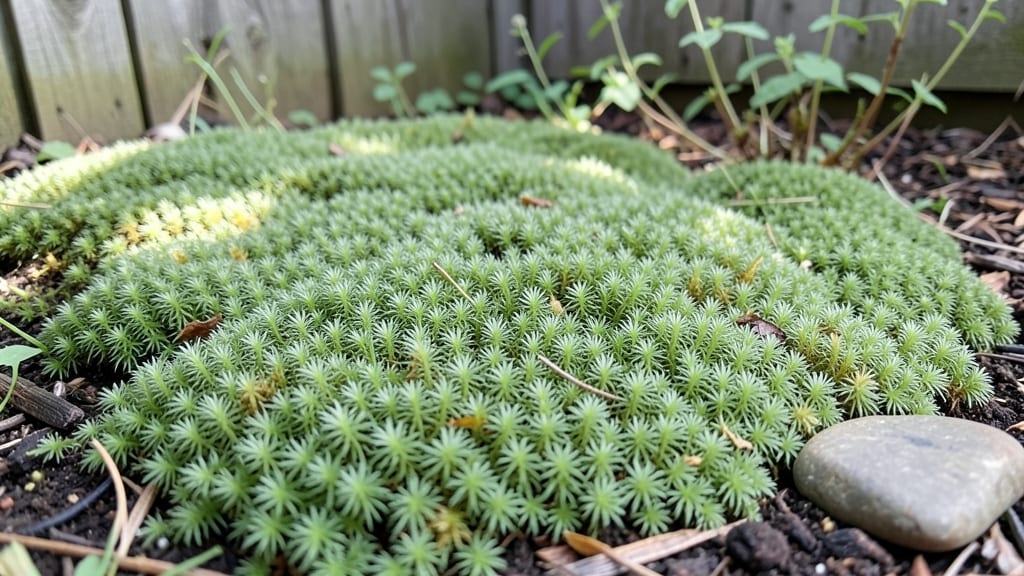
A backyard zen garden transforms chaos into calm with deliberate rock placement and sweeping gravel patterns. 🌿 I still remember the first time I stepped into one—every detail felt intentional, from the smooth river stones to the carefully raked sand.
The key isn’t just aesthetics; it’s creating a space where your mind can reset.
Start with a focal point—whether it’s a single large stone, a small pond, or a curved pathway—then build around it. You’ll need smooth, flat stones (avoid sharp edges), coarse gravel or sand for raking, and minimalist plants like moss or pruned bamboo.
The Japanese approach emphasizes asymmetry and natural elements, but you can adapt this for any backyard size.
Once complete, you’ll have a space that feels like a quiet retreat. The sound of raking gravel becomes meditative, the textures invite touch, and the simplicity invites stillness. Maintenance is easy—just occasional raking and pruning to keep the lines clean.
Perfect for urban backyards, suburban plots, or even small balconies. The principles scale beautifully, and the result is a space that reflects Japanese harmony—no matter how big or small your yard may be.
📚 In This Guide
- What you need
- Instructions
- Tips and common mistakes
- Wrapping up and next steps
What you need
- ● Rake: A sturdy Japanese-style rake (12–18 inches wide) for raking gravel into patterns.
- ● Gravel: 1–3 tons of 1/4-inch to 1/2-inch smooth river rocks (white, gray, or beige for a classic look).
- ● Sand: 1–2 bags of fine, dry sand (for the base layer).
- ● Natural stones: 5–20 flat, irregular stones (slate, granite, or flagstone) for focal points.
- ● Shovel & hoe: For digging and leveling the ground.
- ● Wheelbarrow: To haul gravel, sand, and stones.
- ● String line & stakes: For marking layout lines.
- ● Level: To ensure your garden is perfectly flat.
- ● Edging tool: To define borders neatly.
- ○ Water source: A small bamboo water feature or stone basin (optional but highly recommended).
- ● Moss: For a lush, green accent (requires moisture-retentive soil).
- ● Bamboo fence or screen: To create privacy and a traditional feel.
- ● Lanterns or solar lights: For soft evening illumination.
- ● Wooden stepping stones: To add pathways or seating areas.
- ● Pine needles or cypress mulch: For a natural, aromatic ground cover.
Instructions for crafting a zen garden backyard oasis
Here’s how to transform your space into a tranquil Japanese-inspired retreat—step by step.
🪴 Step 1: Define the Space and Prepare the Ground
Choose a flat, shaded area with natural light filtering through nearby trees or structures. Japanese gardens thrive in 60-75°F temperatures, so avoid direct afternoon sun that can bake the soil. Clear the space of debris, then mark your design with white sand or chalk—this keeps the layout visible as you work.
Use a leveling tool to create a perfectly flat base. Even the slightest slope will disrupt the serene flow of water and stone. I like to compact the soil lightly with a hand tamper to prevent settling later. This step ensures your pathways and planting areas stay stable for years.
💧 Step 2: Install Natural Stone Pathways
Lay flat, irregular stones (like slate or fieldstone) along your marked pathways, spacing them ½–1 inch apart for drainage. Start at one end and work toward the center, adjusting each stone until the edges align naturally. Avoid cutting stones—Japanese gardens embrace organic shapes, so select stones that fit without forcing.
Fill the gaps between stones with sharp sand, then sweep it into place with a broom. The sand should disappear into the crevices, creating a seamless look. Test your pathways by walking on them—if they feel uneven, adjust the stones before the sand hardens.
☀️ Step 3: Create a Dry Stream Bed or Sand Rake Pattern
For a dry stream bed, use white pebbles or gravel to trace a winding path through the garden. Rake the stones into smooth, flowing curves—this mimics the natural movement of water. If you prefer a sand rake pattern, use fine white sand and create concentric circles or zigzags with a wooden rake. The key is precision: the lines should be crisp but not rigid.
Keep the sand or gravel 2–3 inches deep for a polished look. Water the surface lightly after raking to settle the grains. This step is where the garden’s meditative energy comes alive—every rake stroke should feel intentional.
🌿 Step 4: Add Minimalist Plantings and Accents
Plant low-growing moss, bamboo, or pruned shrubs in small clusters—never in straight lines. Japanese gardens favor asymmetry, so group plants in odd-numbered sets (3, 5, or 7). Use small decorative stones or lanterns sparingly; one focal point (like a moon bridge or weathered lantern) anchors the space without overwhelming it.
Prune plants to maintain clean lines. I trim bamboo and boxwood to 3–4 inches tall, keeping their forms rounded and soft. Avoid overcrowding—each plant should have room to breathe. This step is about restraint; less is always more in a zen garden.
⏰ Step 5: Maintain the Garden’s Serenity
Sweep the sand or gravel weekly with a bamboo broom to restore the rake patterns. Remove fallen leaves immediately—they disrupt the garden’s purity. Water plants early in the morning to let the soil dry by evening, preventing moss or algae growth.
Seasonally, refresh the space by raking the sand again or repositioning a few stones. Japanese gardens are living art; they evolve slowly. The goal isn’t perfection but harmony—let the garden guide you, not the other way around.
Tips & tricks for crafting a zen garden backyard
A few subtle techniques can transform your zen garden from ordinary to extraordinary. These are the details that separate a functional space from a truly meditative retreat.
Temperature and Timing: The ideal 60-75°F range isn't just about comfort—it's about creating the perfect conditions for your materials. Work during cooler morning hours when temperatures naturally fall within this range. If you're building in summer, schedule your stonework for early morning or late afternoon to prevent the stones from expanding and contracting too much in the heat. This attention to timing preserves the integrity of your pathways for years to come.
Stone Selection Strategy: When choosing stones in Step 2, prioritize those with natural irregularities—flat but not perfectly smooth. These organic shapes create visual interest while maintaining the garden's natural flow. I recommend visiting a local stone supplier to examine samples in natural light; the way they reflect light and their natural color variations make all the difference in achieving that authentic Japanese aesthetic. For pathways, select stones that are all roughly the same thickness—this creates visual harmony without requiring perfect uniformity.
Precision in Raking Patterns: The crisp lines of your sand rake pattern in Step 3 shouldn't be rigid—they should feel organic yet deliberate. I use a wooden rake with evenly spaced tines and pull it in smooth, continuous motions rather than choppy strokes. For the most authentic look, practice on a small patch first to find the rhythm that creates those signature flowing curves. Remember, every rake stroke should feel like part of a larger meditative process, not just a task to complete.
Planting Philosophy: The odd-numbered groupings in Step 4 aren't just decorative—they create visual balance that feels natural rather than forced. When planting your bamboo or boxwood clusters, leave at least 12 inches between each plant to allow for future growth while maintaining that sense of controlled naturalness. And here's a little secret: the most experienced gardeners often plant slightly off-center. This subtle asymmetry creates a more dynamic composition that feels intentionally imperfect, which is actually more harmonious in Japanese design.
Pro Tips for Zen Garden Backyard
- A few subtle techniques can transform your zen garden from ordinary to extraordinary.
- Temperature and Timing: The ideal 60-75°F range isn't just about comfort—it's about creating the perfect conditions for your materials.
- Stone Selection Strategy: When choosing stones in Step 2, prioritize those with natural irregularities—flat but not perfectly smooth.
Frequently asked questions
Got questions about creating your own zen garden backyard?
Here are answers to common queries to help you design a tranquil space with confidence!
What’s the best size for a zen garden?
A zen garden can be as small as a 3x3-foot tabletop space or as large as your entire backyard! Start small (like 6x6 feet) if you’re testing the concept, but aim for at least 10x10 feet for full relaxation. Pro tip: Even a narrow strip alongside a path can create a meditative focal point!
When is the best time to plant or install a zen garden?
Spring or early fall is ideal for planting moss, shrubs, or trees—avoid extreme heat or frost. Install stone pathways and rakes anytime, but wait for dry weather to prevent muddy messes. If you’re DIYing, plan for 2–3 weekends to gather materials and complete the project without rushing.
Are there budget-friendly alternatives to traditional zen garden materials?
Yes! Skip expensive imported Japanese gravel and use local sand, crushed stone, or even recycled glass for raked patterns. Swap pricey lanterns for upcycled containers or driftwood. Thrift stores often have affordable ceramic or bamboo accents—just clean and repurpose them!
How do I keep my zen garden free from pests or weeds?
Mulch with gravel or wood chips to deter weeds, and use organic pest control like neem oil for insects. Regularly rake the sand to disrupt weed seeds and maintain patterns. For moss, ensure shady, moist areas—it naturally resists invaders! Avoid chemical treatments to preserve serenity.
Can I customize my zen garden with personal touches?
Add hand-painted stones, family heirlooms, or even a small water feature (like a bamboo fountain). Just keep the design minimalist and balanced. A single cherry blossom tree or bonsai can tie your space to Japanese tradition while reflecting your style.
Wrapping up and next steps
Creating a zen garden backyard is more than just a design—it’s a journey toward tranquility and mindfulness. By blending natural stone pathways, minimalist plants, and thoughtful water features, you’ve crafted a serene escape that reflects Japanese harmony.
Whether you’re starting small or refining an existing space, the key is to embrace simplicity and let nature guide your creativity.
Ready to bring your vision to life? Start by sketching your layout—grab a notebook, measure your space, and let your intuition lead. Then, gather your materials and begin transforming your backyard into a peaceful sanctuary.
Every rake stroke and stone placement is a step toward a calmer, more centered you. You’ve got this! 🌿✨