
Vegetables
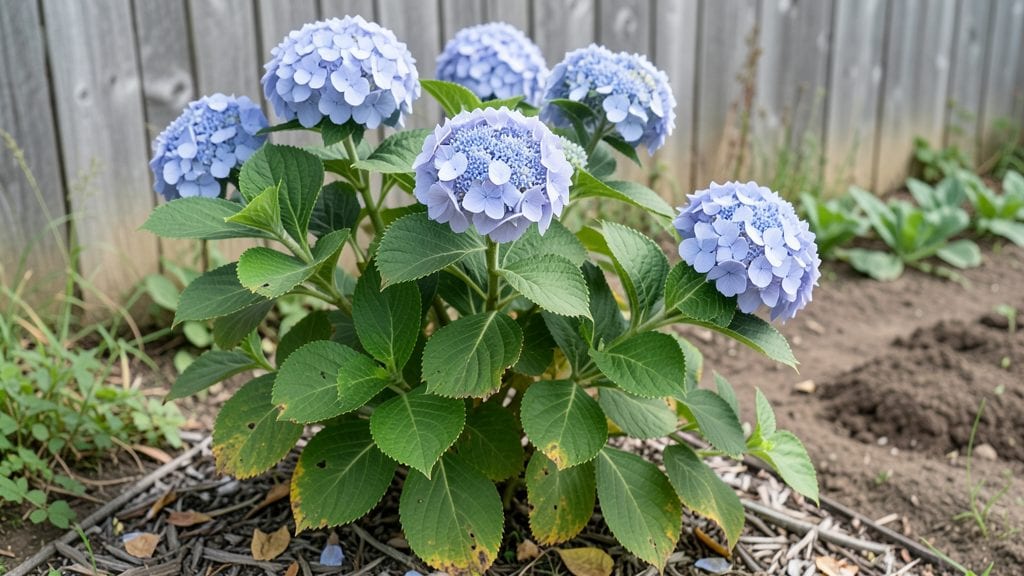
The best gardens in the USA prove that beauty and bounty don’t just happen—they’re carefully designed to thrive year-round. 🌿 I’ve visited gardens where the layout itself tells a story, where every plant has a purpose, and where the harvest never stops.
These aren’t just pretty spaces; they’re working systems that inspire even the most skeptical gardener to rethink their own plot.
The best gardens blend art and function, using raised beds, companion planting, and seasonal swaps to keep production high while making the space irresistible.
Take the Longwood Gardens in Pennsylvania, where tiered terraces and water features create drama while supporting a 20-acre vegetable garden—or the Lewis Ginter Botanical Garden in Virginia, where pollinator pathways and edible borders turn every visit into a masterclass.
These layouts work because they prioritize both aesthetics and practicality, proving you can have your cake and eat it too.
What you’ll discover here are the secrets behind their success: how to layer plants for four-season interest, why some gardens use perennial vegetables to cut labor, and how to design pathways that guide visitors (and pollinators) through the space.
These gardens aren’t just eye candy—they’re blueprints for gardens that feed you as much as they feed the soul. Let’s break down what makes them work so well.
Whether you’re dreaming of a cottage-style herb garden or a modern raised-bed vegetable system, these layouts adapt to any space. The key is starting small, observing what thrives in your climate, and letting the plants dictate the design—not the other way around.
Ready to steal some of their magic for your own backyard?
📚 In This Guide
- What you need
- Instructions
- Tips and common mistakes
- Wrapping up and next steps
What you need
- ● Soil: High-quality garden soil or compost mix (2-3 cubic yards per 100 sq. ft.)
- ● Organic topsoil (1-2 bags per 10 sq. ft.) for nutrient boost
- ● Compost (1-2 bags per planting bed) for fertility
- ● Seeds & Plants: Vegetable seeds (e.g., tomatoes, peppers, lettuce—2-3 packets per variety)
- ● Seedlings or transplants (1-2 per plant, depending on spacing)
- ● Tools: Garden trowel (for planting)
- ● Hand pruners (for trimming)
- ● Garden gloves (1 pair, durable)
- ● Watering can or hose (with adjustable nozzle)
- ● Rake (medium-sized for soil prep)
- ○ Wheelbarrow (optional but helpful for hauling materials)
- ● Mulch (straw or wood chips—2-3 bags to retain moisture)
- ● Fertilizer (balanced 10-10-10 or organic options like fish emulsion)
- ● Trellis or stakes (for climbing plants like cucumbers or beans)
- ● Drip irrigation system (for efficient watering)
- ● Garden markers (to label plants and track progress)
- ● Sunlight access: 6+ hours/day for most vegetables
- ● Space: Minimum 10x10 ft. for a starter garden (scale up as needed!)
- ● Water source: Easy access to a hose or watering setup
- ● Knowledge: Basic gardening skills or willingness to learn (YouTube tutorials help!)
Step-by-step guide to designing year-round bountiful gardens
Here’s how to craft a showstopping garden that delivers beauty and harvests all year—inspired by America’s top designs.
🌱 Step 1: Plan Zones for Seasonal Success
Start by dividing your space into four distinct zones: a cool-season vegetable plot (kale, spinach, carrots), a warm-season sunbath (tomatoes, peppers, basil), a perennial border (lavender, rosemary, salvia), and a winter interest area (ornamental grasses, hellebores, evergreen shrubs). The best gardens in the U.S. use this layered approach to ensure something’s always thriving.
Sketch your layout on graph paper, marking sun exposure (full sun for veggies, partial shade for perennials). I always place the most sun-hungry plants—like heirloom tomatoes—where they’ll get 6+ hours of direct light daily. This prevents leggy growth and maximizes yields. Use a sun calculator (free online tools work) to map sunlight patterns across seasons.
☀️ Step 2: Layer Plants by Height and Function
Tall plants like sunflowers or hollyhocks go in the back, mid-height perennials (like coneflowers) fill the middle, and ground covers (creeping thyme, ajuga) complete the front. The pros at Longwood Gardens swear by this "vertical density" trick—it creates lushness instantly and reduces weeds by blocking light.
For year-round color, intersperse evergreens (boxwood, yew) with deciduous bloomers (hydrangeas, peonies). I always tuck in winter-blooming pansies at the edges—they’ll pop against snow like confetti. Pro tip: Group plants with the same water needs together. Succulents and lavender hate soggy roots, while strawberries and lettuce need consistent moisture.
💧 Step 3: Install Smart Irrigation and Mulch
Drip irrigation is the gold standard for low-maintenance gardens. Run ¼-inch tubing along rows, spacing emitters 12-18 inches apart to water roots directly. The U.S. Botanic Garden uses this system to cut water use by 30% while keeping plants thriving. Set your timer for early morning—this prevents fungal diseases that thrive in damp evening air.
After watering, apply 3 inches of organic mulch (shredded bark or straw) to retain moisture and suppress weeds. I always refresh mulch in early spring and fall—this keeps soil temperatures stable and feeds the earthworms that aerate your soil naturally. Avoid piling mulch against plant stems; leave a 2-inch gap to prevent rot.
✂️ Step 4: Seasonal Maintenance Checkpoints
Spring: Prune back dead stems on perennials (like catmint) and fertilize with compost tea for a nutrient boost. The best gardens in the U.S. treat spring as a reset—it’s when you fix winter damage and prep for summer blooms. I swear by a sharp pair of bypass pruners for clean cuts that heal faster.
Summer: Deadhead spent blooms (like zinnias) to encourage more flowers and harvest regularly to prolong production. Watch for powdery mildew on roses—spray with neem oil at the first sign of white fuzz. In late summer, start fall planting (broccoli, Brussels sprouts) while the soil’s still warm.
Fall: Divide overcrowded perennials (like hostas) and plant garlic for next year’s harvest. The pros at The Gardens at Heatherdown swear by this: cover beds with straw after the first frost to protect roots and keep soil workable.
Winter: Prune dormant trees/shrubs (like hydrangeas) and plant spring bulbs (tulips, daffodils). I always mark bulb beds with bamboo stakes so I don’t disturb them when snow melts. This ensures spring blooms pop up like clockwork.
🪴 Step 5: Add Hardscaping for Structure
No garden is complete without paths, trellises, or arbors. I love gravel paths (they drain well and look timeless) paired with wooden raised beds for veggies. The best gardens use hardscaping to guide the eye—a curved brick path leads visitors deeper into the space, while a simple arbor trained with clematis adds vertical drama.
For a low-maintenance touch, install drip edges around beds to contain mulch and solar-powered garden lights to highlight focal points. I always place lights near statues or unique plants—like a blue atlas cedar—to create nighttime interest. This is the secret to gardens that wow year-round, not just in summer.
Tips & tricks for perfect year-round garden designs
Transforming your outdoor space into a four-season showstopper takes more than just planting—it's about strategic layering and professional techniques that elevate even the most modest plot. Here's what sets the best gardens in America apart from the rest.
Sun Exposure Mastery: When planning your 6+ hours of direct light for warm-season plants like heirloom tomatoes, don't just guess—use a sun calculator to track how sunlight shifts across seasons. I've seen gardens fail spectacularly when homeowners assumed their "sunny spot" remained constant. Place a stake in your garden throughout the day to track shadows, especially during solstices when sun paths change dramatically. This precision is what allows the pros at Longwood Gardens to grow vegetables year-round in climates that would normally freeze them.
Vertical Density Strategy: The "vertical density" trick from Longwood Gardens isn't just about aesthetics—it's a weed suppression system. When you layer sunflowers at the back with creeping thyme at the front, you're creating a living barrier that blocks 90% of light reaching weed seeds. The key is maintaining that 2-inch gap between mulch and stems—this prevents rot while still allowing the ground covers to do their work. I've watched gardens go from weedy eyesores to lush paradises in just one season after implementing this technique properly.
Irrigation Intelligence: That ¼-inch tubing with emitters spaced 12-18 inches apart isn't just about watering—it's about creating microclimates. The U.S. Botanic Garden's system delivers water directly to roots while keeping foliage dry, which prevents fungal diseases that can devastate gardens. Set your timer for early morning watering, but here's the game-changer: program it for 5-minute cycles every 2 hours during heatwaves. This mimics natural rainfall patterns and prevents soil compaction from heavy watering.
Seasonal Transition Secrets: The best gardens don't just survive seasonal changes—they thrive through them. When you're preparing for late summer fall planting of broccoli and Brussels sprouts, amend the soil with compost tea mixed with a handful of wood ash (for calcium). This gives cool-season crops a nutrient boost while balancing soil pH. And for that winter interest area, interplant ornamental grasses with hellebores—the grasses provide winter structure while hellebores bloom early, creating instant color when everything else is dormant.
Pro Tips for Best Gardens In Usa
- Transforming your outdoor space into a four-season showstopper takes more than just planting—it's about strategic layering and professional techniques that elevate even the most modest plot.
- Sun Exposure Mastery: When planning your 6+ hours of direct light for warm-season plants like heirloom tomatoes, don't just guess—use a sun calculator to track how sunlight shifts across seasons.
- Vertical Density Strategy: The "vertical density" trick from Longwood Gardens isn't just about aesthetics—it's a weed suppression system.
Frequently asked questions
Curious about visiting or planning your own lush garden? Here are answers to some of the most common questions about the best gardens in the USA—whether you're dreaming of a trip or prepping for your own green space!
What’s the best time of year to visit these gardens?
The ideal time depends on the garden! Most public gardens (like Longwood Gardens or the Chicago Botanic Garden) are stunning in spring and fall—think blooming flowers and vibrant foliage. Summer offers lush greenery, while winter gardens (like the Desert Botanical Garden) shine with holiday displays. Check each garden’s website for seasonal events, like tulip festivals or pumpkin patches!
Are there free or budget-friendly garden options?
Many gardens offer free admission days, like the first Tuesday of the month at the New York Botanical Garden. Others have discounted rates for students, seniors, or locals. Community gardens and national parks (e.g., Crater Lake National Park) are also free and packed with natural beauty. Always call ahead to inquire about promotions!
Can I grow the same plants as these famous gardens at home?
Yes! Most public gardens feature hardy, regionally adapted plants—like heirloom tomatoes, lavender, or native perennials—that thrive in home gardens too. Start with easy-to-grow veggies (zucchini, lettuce) or drought-resistant shrubs (rosemary, yarrow) for low-maintenance success. Local nurseries or garden centers can help match plants to your climate zone (USDA zones 1–11).
What’s the biggest challenge when designing a garden like these?
The top challenges are soil quality, water management, and plant placement. Many iconic gardens use raised beds or compost to improve soil, while drip irrigation systems save water. Layering plants (tall in back, low in front) creates drama, and mulching suppresses weeds. Test your soil first—most extension offices offer free kits—and group plants with similar water needs!
How do I keep my garden looking great year-round?
Year-round beauty starts with seasonal planning! Plant evergreens (like boxwood or holly) for winter structure, spring bulbs (daffodils, tulips), and fall foliage (maples, viburnum). Add ornamental grasses for texture and year-round interest. Deadhead flowers regularly, prune perennials in early spring, and use seasonal mulch (straw in summer, leaves in winter) to protect roots.
Wrapping up and next steps
From the lush Longwood Gardens in Pennsylvania to the innovative Chicago Botanic Garden, the U.S. offers some of the most breathtaking and productive gardens for year-round inspiration.
Whether you're drawn to heirloom varieties, sustainable layouts, or edible landscapes, these gardens prove that beauty and bounty go hand in hand—no matter the season! 🌱
Ready to bring that magic to your backyard? Start small—sketch a simple raised bed or container garden using the layouts you’ve admired, and let your green thumb grow! 🌿 Need a plan? Check out our step-by-step guides to turn your vision into a thriving garden.