Sunlight through the greenhouse windows was my childhood playground—where I’d press my palm against the glass, watching seedlings stretch toward the light. My dad’s old gardening books and my mom’s stubborn roses shaped my love for plants, and now I’m here to share the lessons I’ve learned: how to coax life from soil, how to turn a patch of dirt into something beautiful, and how even the messiest gardening moments can lead to the best harvests. This site is my way of passing on those lessons, one seed at a time.
💥 Quick Answer The average size of a garden for a single-family home typically ranges between 500 to 1,000 square feet, though urban gardens often measure 100 to 300 square feet. Larger suburban or rural plots can…
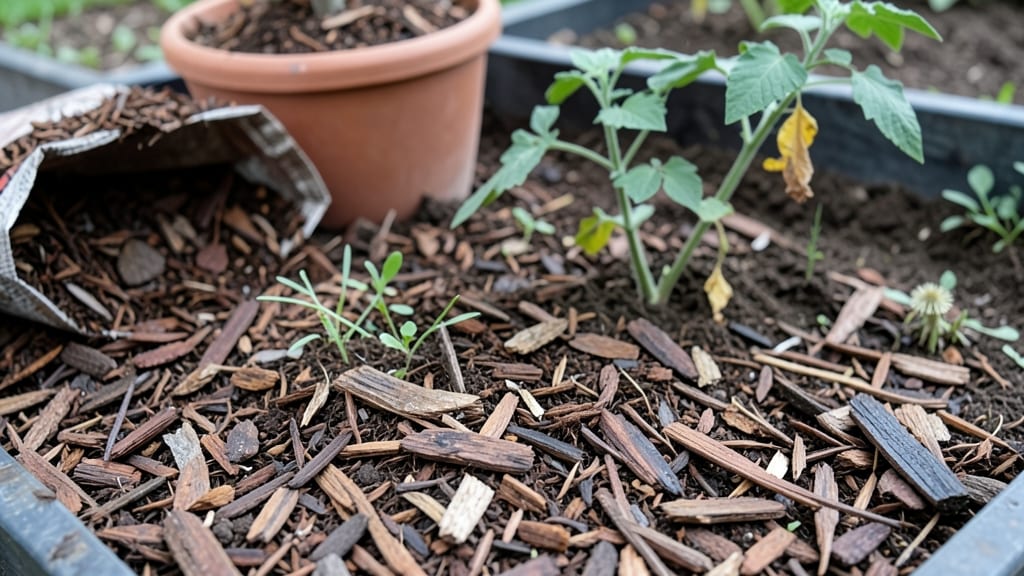
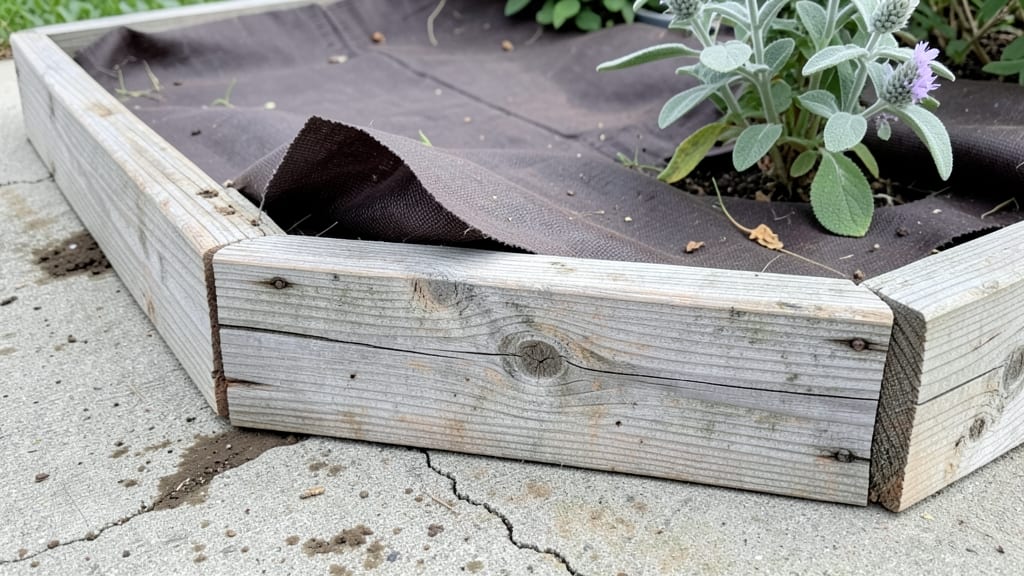
💥 Quick Answer Putting under raised garden beds requires materials like cardboard or landscape fabric for weed suppression, followed by 2-4 inches of coarse sand or gravel for drainage, then compost or aged wood chips…
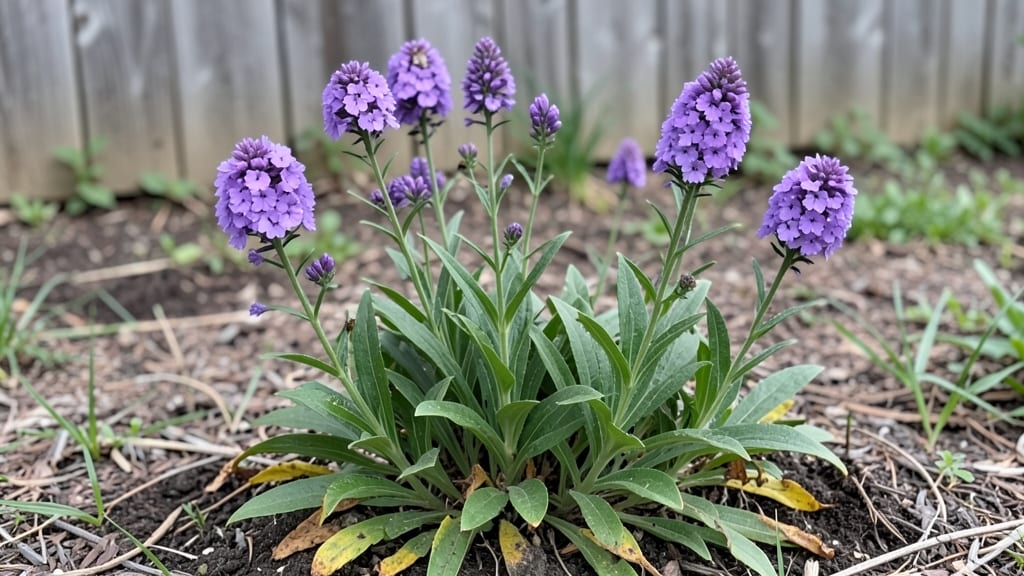
Growing purple garden phlox 🌸 that blooms all summer isn’t just about luck—it’s about timing, and the right technique makes the difference. Struggling to keep your purple garden phlox blooming all season? The secret…
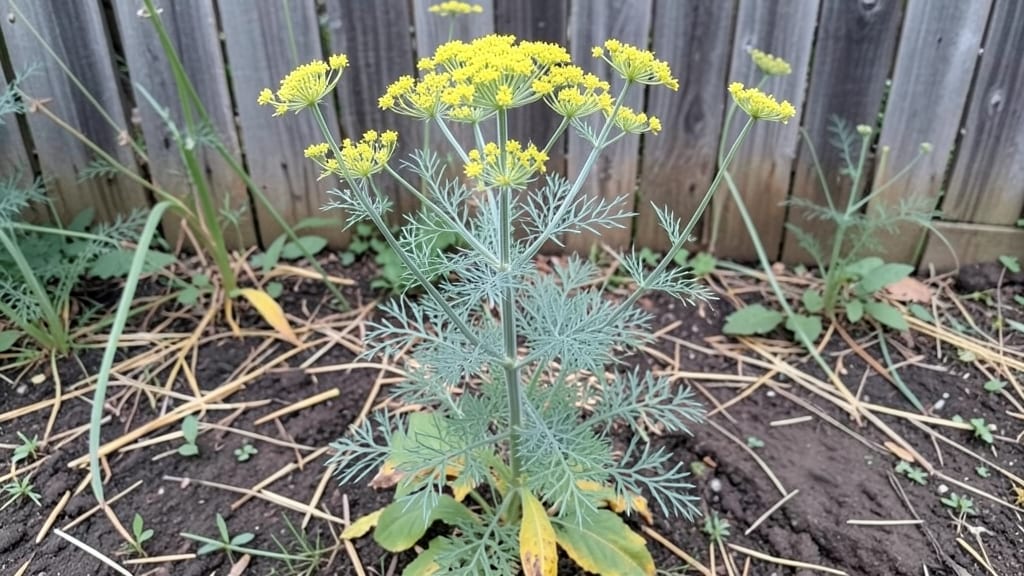
Growing a garden dill plant 🌿 from seed unlocks the secret to homegrown flavor—just 60 days after planting, you’ll have fragrant leaves for everything from pickles to soups. Imagine plucking fresh, fragrant dill…
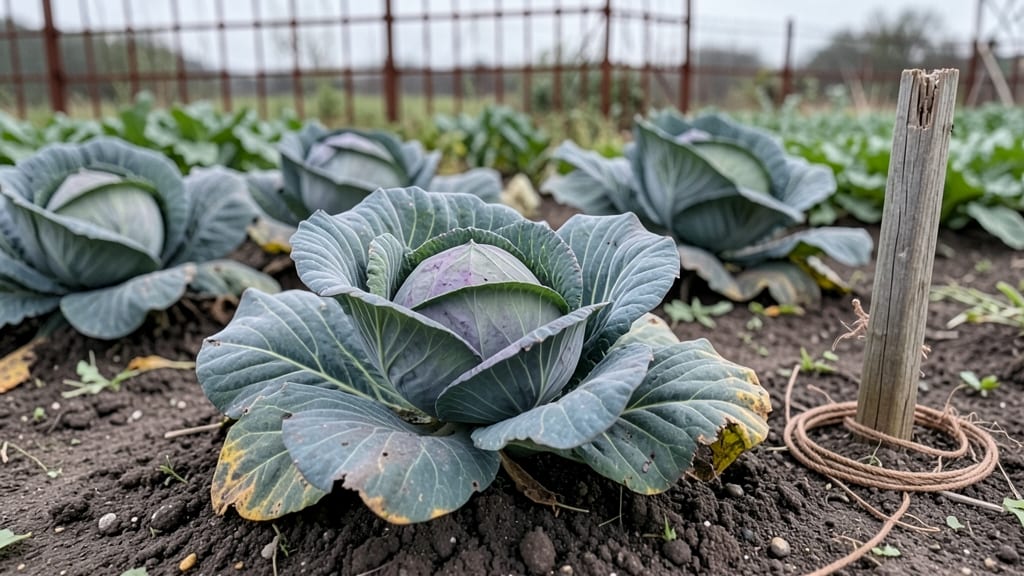
💥 Quick Answer Cabbage garden spacing requires 12–18 inches between plants for smaller varieties like bok choy and 24–36 inches for larger heads like Savoy or Napa cabbage, with rows spaced 2–3 feet apart to prevent…
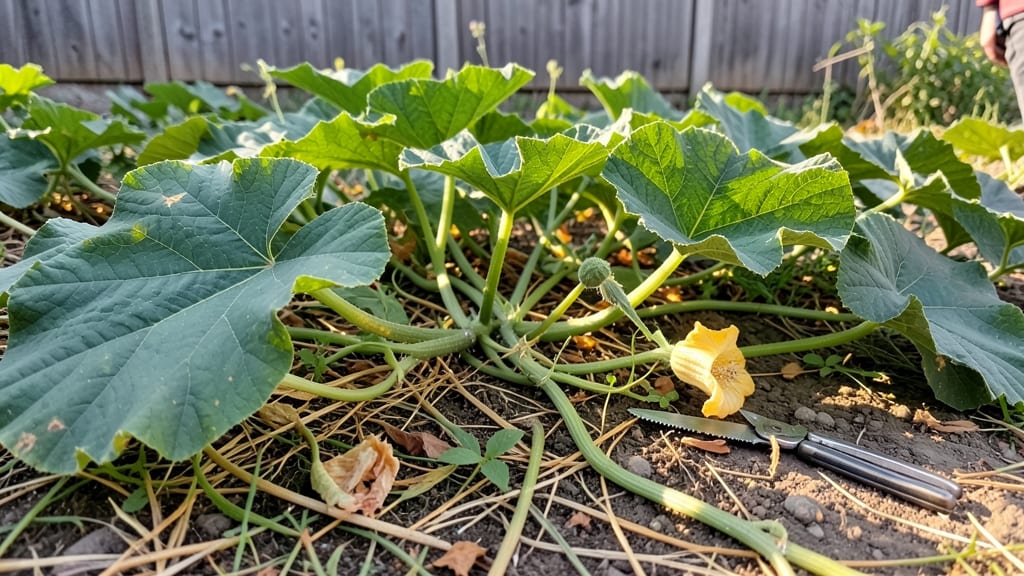
💥 Quick Answer Squash spacing in garden depends on variety: bush types need 3–4 feet between plants, while vining types like zucchini or pumpkins require 4–6 feet for proper airflow and growth. Overcrowding leads to…
💥 Quick Answer Zone 4 gardening thrives with cold-resistant plants like coneflowers, Russian sage, and hardy perennials that survive -30°F to -20°F winters. Focus on early spring planting, mulching, and windbreaks to…
💥 Quick Answer Yes, you can put a raised garden bed on concrete, but ensure proper drainage and weight distribution to prevent cracking or instability; use lightweight materials like cedar or composite wood and add a…
💥 Quick Answer Garden bed costs vary widely by size and material, typically ranging from $50 for a small DIY raised bed to over $1,200 for a premium cedar bed with irrigation. Prices rise with wood type, liner…
Gardening in fall is your secret weapon for a bountiful winter harvest and a landscape that stays vibrant even when the air turns crisp. Fall gardening isn’t just about cleanup—it’s your chance to plant hardy crops like…